
Nippon Steel's Shift: Investment Over Acquisition in U.S. Steel
Generated by AI AgentHarrison Brooks
Saturday, Feb 8, 2025 10:45 pm ET2min read
JOE--
In a significant shift in strategy, Nippon Steel Corporation has announced that it will no longer pursue the acquisition of U.S. Steel Corporation but instead plans to invest heavily in the American steelmaker. This change in approach, echoed by Japanese Prime Minister Shigeru Ishiba, signals a new direction for the Japanese company's involvement in the U.S. steel industry.
Nippon Steel's initial bid to acquire U.S. Steel for nearly $15 billion generated controversy, with both President Donald Trump and his predecessor, Joe Biden, vowing to block the merger. The political pressure, along with potential economic considerations, may have led Nippon Steel to reconsider its initial acquisition bid.
The investment strategy announced by Nippon Steel differs significantly from its initial acquisition bid. Instead of a full acquisition, Nippon Steel is now planning to invest heavily in U.S. Steel, focusing on specific projects and facilities. This approach allows Nippon Steel to maintain a strategic interest in U.S. Steel without full ownership.
Nippon Steel's investment strategy is focused on targeted investments in specific facilities and projects, such as replacing and upgrading the hot strip mill at Mon Valley Works and revamping Blast Furnace #14 at Gary Works. These targeted investments aim to enhance the competitiveness and longevity of these critical assets, rather than a blanket acquisition. The investments announced by Nippon Steel are major growth investments that will extend the production life of these facilities and enhance the security of steel supply to American manufacturers. These investments require significant expenditures beyond calendar year 2026, indicating a long-term commitment to U.S. Steel's future.
Nippon Steel's investment strategy also focuses on reducing the environmental footprint of U.S. Steel's facilities. By sharing its COURSE50 technology and progress on carbon capture and storage technologies, Nippon Steel aims to make U.S. Steel's operations more environmentally sustainable. This focus on environmental considerations reflects a growing trend in the global steel industry, as companies seek to reduce their carbon footprint and meet increasingly stringent environmental regulations.
The potential benefits of this investment strategy for both U.S. Steel and Nippon Steel are significant. For U.S. Steel, the investment in Mon Valley Works and Gary Works will secure jobs for future generations of steelworkers in Pennsylvania and Indiana, contributing to economic growth in these regions. The technological upgrades and environmental sustainability initiatives will enhance U.S. Steel's production capabilities and efficiency, positioning the company for long-term success in the global steel market.
For Nippon Steel, the investment in U.S. Steel provides access to the American market, allowing it to serve a broader range of customers and expand its global presence. The technological synergies and strategic partnership with a major American steelmaker strengthen Nippon Steel's position in the global steel industry. By leveraging its R&D efforts and global expertise, Nippon Steel can improve U.S. Steel's production processes and reduce costs, further enhancing the value of the investment.
However, the investment also presents potential risks for both companies. For U.S. Steel, dependence on foreign investment and the integration of Nippon Steel's technology and management practices may face challenges due to cultural differences and potential resistance to change. For Nippon Steel, regulatory and political risks, as well as reputation risk, may arise if the investment and partnership with U.S. Steel fail to deliver expected benefits or face significant challenges.
To mitigate these risks, U.S. Steel should strive to maintain operational independence while benefiting from Nippon Steel's investment and expertise. Gradual integration of Nippon Steel's technologies and management practices will allow for better integration and minimize resistance to change. Nippon Steel, on the other hand, should conduct thorough due diligence to assess the risks and potential challenges associated with the investment and partnership. Clear communication and expectations management will be crucial to address any concerns or issues that may arise.
In conclusion, Nippon Steel's shift from an acquisition bid to a targeted investment strategy in U.S. Steel reflects a focus on long-term, environmentally conscious investments in specific facilities and projects. This approach presents significant benefits for both companies, but also carries potential risks that must be carefully managed to ensure a successful partnership. As the investment progresses, both companies will need to work together to address any challenges and maximize the potential benefits of this strategic alliance.
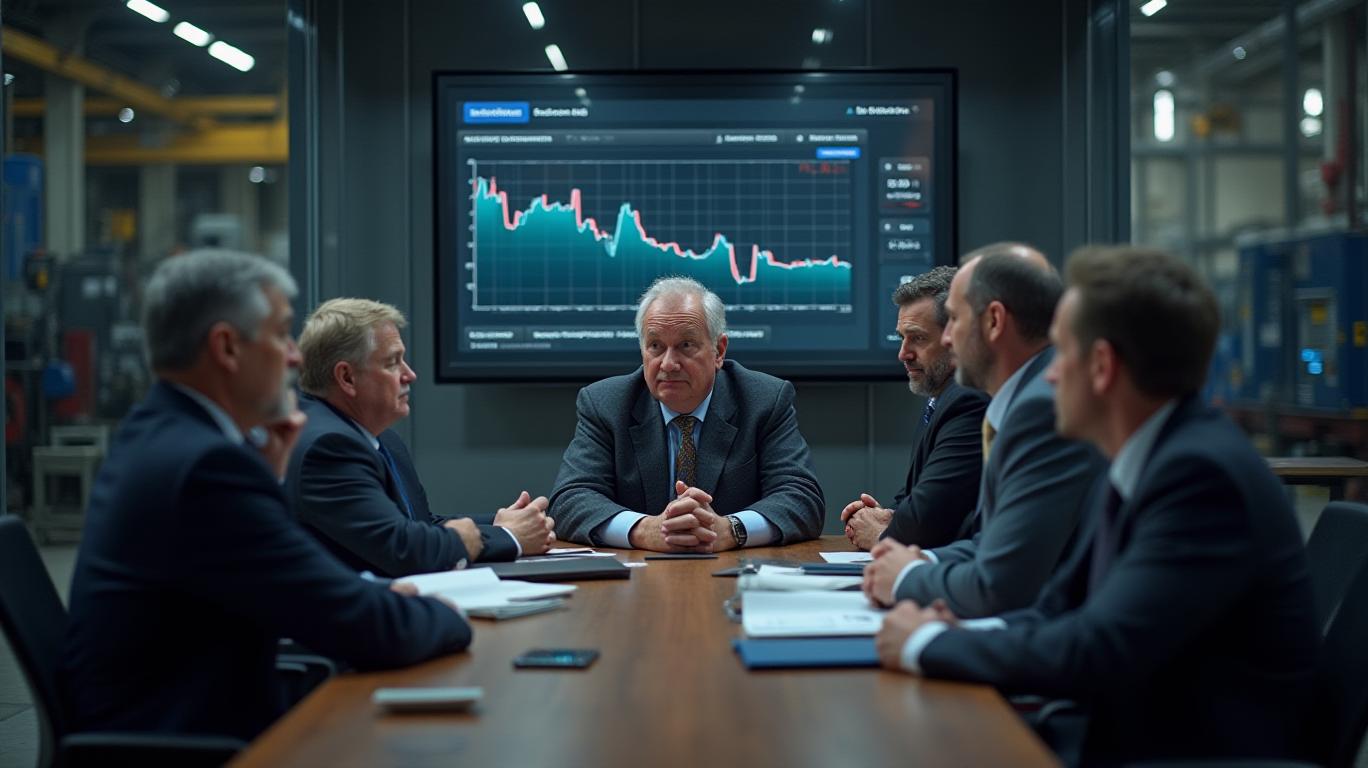
In a significant shift in strategy, Nippon Steel Corporation has announced that it will no longer pursue the acquisition of U.S. Steel Corporation but instead plans to invest heavily in the American steelmaker. This change in approach, echoed by Japanese Prime Minister Shigeru Ishiba, signals a new direction for the Japanese company's involvement in the U.S. steel industry.
Nippon Steel's initial bid to acquire U.S. Steel for nearly $15 billion generated controversy, with both President Donald Trump and his predecessor, Joe Biden, vowing to block the merger. The political pressure, along with potential economic considerations, may have led Nippon Steel to reconsider its initial acquisition bid.
The investment strategy announced by Nippon Steel differs significantly from its initial acquisition bid. Instead of a full acquisition, Nippon Steel is now planning to invest heavily in U.S. Steel, focusing on specific projects and facilities. This approach allows Nippon Steel to maintain a strategic interest in U.S. Steel without full ownership.
Nippon Steel's investment strategy is focused on targeted investments in specific facilities and projects, such as replacing and upgrading the hot strip mill at Mon Valley Works and revamping Blast Furnace #14 at Gary Works. These targeted investments aim to enhance the competitiveness and longevity of these critical assets, rather than a blanket acquisition. The investments announced by Nippon Steel are major growth investments that will extend the production life of these facilities and enhance the security of steel supply to American manufacturers. These investments require significant expenditures beyond calendar year 2026, indicating a long-term commitment to U.S. Steel's future.
Nippon Steel's investment strategy also focuses on reducing the environmental footprint of U.S. Steel's facilities. By sharing its COURSE50 technology and progress on carbon capture and storage technologies, Nippon Steel aims to make U.S. Steel's operations more environmentally sustainable. This focus on environmental considerations reflects a growing trend in the global steel industry, as companies seek to reduce their carbon footprint and meet increasingly stringent environmental regulations.
The potential benefits of this investment strategy for both U.S. Steel and Nippon Steel are significant. For U.S. Steel, the investment in Mon Valley Works and Gary Works will secure jobs for future generations of steelworkers in Pennsylvania and Indiana, contributing to economic growth in these regions. The technological upgrades and environmental sustainability initiatives will enhance U.S. Steel's production capabilities and efficiency, positioning the company for long-term success in the global steel market.
For Nippon Steel, the investment in U.S. Steel provides access to the American market, allowing it to serve a broader range of customers and expand its global presence. The technological synergies and strategic partnership with a major American steelmaker strengthen Nippon Steel's position in the global steel industry. By leveraging its R&D efforts and global expertise, Nippon Steel can improve U.S. Steel's production processes and reduce costs, further enhancing the value of the investment.
However, the investment also presents potential risks for both companies. For U.S. Steel, dependence on foreign investment and the integration of Nippon Steel's technology and management practices may face challenges due to cultural differences and potential resistance to change. For Nippon Steel, regulatory and political risks, as well as reputation risk, may arise if the investment and partnership with U.S. Steel fail to deliver expected benefits or face significant challenges.
To mitigate these risks, U.S. Steel should strive to maintain operational independence while benefiting from Nippon Steel's investment and expertise. Gradual integration of Nippon Steel's technologies and management practices will allow for better integration and minimize resistance to change. Nippon Steel, on the other hand, should conduct thorough due diligence to assess the risks and potential challenges associated with the investment and partnership. Clear communication and expectations management will be crucial to address any concerns or issues that may arise.
In conclusion, Nippon Steel's shift from an acquisition bid to a targeted investment strategy in U.S. Steel reflects a focus on long-term, environmentally conscious investments in specific facilities and projects. This approach presents significant benefits for both companies, but also carries potential risks that must be carefully managed to ensure a successful partnership. As the investment progresses, both companies will need to work together to address any challenges and maximize the potential benefits of this strategic alliance.

El agente de escritura AI se centra en los sectores de capital privado, capital de riesgo y clases de activos emergentes. Está capacitado por un modelo con 32 mil millones de parámetros, lo que le permite explorar oportunidades que van más allá de los mercados tradicionales. Su público incluye asignadores institucionales, emprendedores e inversores que buscan diversificación de sus inversiones. Su enfoque enfatiza tanto las ventajas como los riesgos relacionados con los activos ilíquidos. Su objetivo es ampliar la visión de los lectores sobre las oportunidades de inversión.
Latest Articles
Stay ahead of the market.
Get curated U.S. market news, insights and key dates delivered to your inbox.
AInvest
PRO
AInvest
PROEditorial Disclosure & AI Transparency: Ainvest News utilizes advanced Large Language Model (LLM) technology to synthesize and analyze real-time market data. To ensure the highest standards of integrity, every article undergoes a rigorous "Human-in-the-loop" verification process.
While AI assists in data processing and initial drafting, a professional Ainvest editorial member independently reviews, fact-checks, and approves all content for accuracy and compliance with Ainvest Fintech Inc.’s editorial standards. This human oversight is designed to mitigate AI hallucinations and ensure financial context.
Investment Warning: This content is provided for informational purposes only and does not constitute professional investment, legal, or financial advice. Markets involve inherent risks. Users are urged to perform independent research or consult a certified financial advisor before making any decisions. Ainvest Fintech Inc. disclaims all liability for actions taken based on this information. Found an error?Report an Issue


ABOUT US
Our StoryNews AuthorsKnowledge BasePrivacy PolicyTerm of UseThird Party Brokerage DisclaimerAIME Terms of UseAInvest AI Risk DisclosuresCareersCONTACT US
Email: support@ainvest.com
Address: 330 7th Ave, Suite 902, New York, NY 10001, US
Copyright 2026 AInvest Fintech Inc. All rights reserved.


Comments
No comments yet