
Nippon Steel's Bid for U.S. Steel: A Persistent Pursuit Amidst Geopolitical Tensions
Generated by AI AgentCyrus Cole
Friday, Feb 7, 2025 4:55 pm ET1min read
AENT--
Nippon Steel Corporation, Japan's largest steelmaker, has not abandoned its bid to acquire U.S. Steel Corporation, despite facing political headwinds and geopolitical tensions. Sources familiar with the matter have revealed that the Japanese company is still pursuing the acquisition, which was first announced in December 2023. The proposed deal, valued at $14.9 billion, has sparked controversy and drawn opposition from various quarters, including U.S. lawmakers and labor unions.
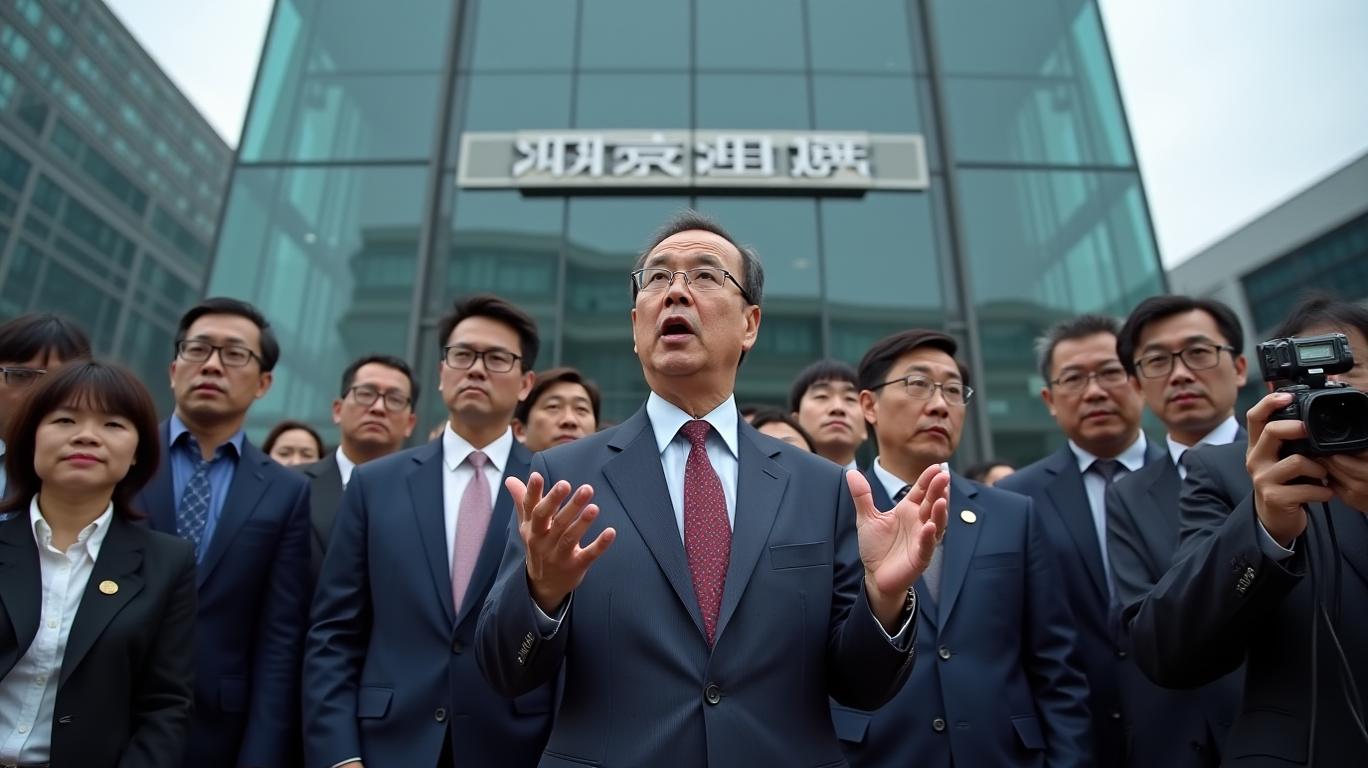
The acquisition, if successful, would create one of the world's largest steel conglomerates, combining Nippon Steel's technological prowess with U.S. Steel's established presence in the American market. However, the deal has faced staunch opposition from various quarters, including U.S. lawmakers and labor unions. Some members of Congress, such as Sen. Sherrod Brown (D-OH) and Sen. John Fetterman (D-PA), have expressed their opposition to the acquisition, citing concerns about job losses and national security. The United Steelworkers union, which has endorsed Vice President Kamala Harris for president, has also been a leading opponent of the acquisition, questioning Nippon Steel's status as an honest broker for U.S. national trade interests.
Despite the political opposition, Nippon Steel has maintained its commitment to the acquisition, pledging to invest nearly $3 billion in U.S. Steel facilities and preserve union jobs. The Japanese company has also expressed its confidence that the transaction would strengthen, not weaken, national security. However, the U.S. government has raised concerns about the potential for the acquisition to harm U.S. national security by damaging the American steel industry and reducing the likelihood that U.S. Steel would continue to aggressively seek trade remedies.
The geopolitical climate, particularly the relationship between the U.S. and Japan, has played a significant role in the likelihood of the acquisition being approved. The U.S.-Japan alliance is one of the most important bilateral relationships in the world, with both countries sharing common interests in maintaining regional security and promoting economic growth. This alliance has been a key factor in the U.S. government's consideration of the acquisition, as it seeks to balance national security concerns with the potential benefits of the deal.
In conclusion, Nippon Steel's bid for U.S. Steel remains a contentious issue, with political opposition and geopolitical tensions shaping the likelihood of the acquisition being approved. The ultimate decision on the acquisition will depend on the U.S. government's assessment of the potential benefits and risks of the deal, as well as the broader geopolitical context. As the acquisition process continues, stakeholders on both sides of the Pacific will be closely watching the developments, eager to see how the geopolitical climate and economic considerations will shape the outcome of this high-stakes deal.
OAKM--
X--
Nippon Steel Corporation, Japan's largest steelmaker, has not abandoned its bid to acquire U.S. Steel Corporation, despite facing political headwinds and geopolitical tensions. Sources familiar with the matter have revealed that the Japanese company is still pursuing the acquisition, which was first announced in December 2023. The proposed deal, valued at $14.9 billion, has sparked controversy and drawn opposition from various quarters, including U.S. lawmakers and labor unions.
The acquisition, if successful, would create one of the world's largest steel conglomerates, combining Nippon Steel's technological prowess with U.S. Steel's established presence in the American market. However, the deal has faced staunch opposition from various quarters, including U.S. lawmakers and labor unions. Some members of Congress, such as Sen. Sherrod Brown (D-OH) and Sen. John Fetterman (D-PA), have expressed their opposition to the acquisition, citing concerns about job losses and national security. The United Steelworkers union, which has endorsed Vice President Kamala Harris for president, has also been a leading opponent of the acquisition, questioning Nippon Steel's status as an honest broker for U.S. national trade interests.
Despite the political opposition, Nippon Steel has maintained its commitment to the acquisition, pledging to invest nearly $3 billion in U.S. Steel facilities and preserve union jobs. The Japanese company has also expressed its confidence that the transaction would strengthen, not weaken, national security. However, the U.S. government has raised concerns about the potential for the acquisition to harm U.S. national security by damaging the American steel industry and reducing the likelihood that U.S. Steel would continue to aggressively seek trade remedies.
The geopolitical climate, particularly the relationship between the U.S. and Japan, has played a significant role in the likelihood of the acquisition being approved. The U.S.-Japan alliance is one of the most important bilateral relationships in the world, with both countries sharing common interests in maintaining regional security and promoting economic growth. This alliance has been a key factor in the U.S. government's consideration of the acquisition, as it seeks to balance national security concerns with the potential benefits of the deal.
In conclusion, Nippon Steel's bid for U.S. Steel remains a contentious issue, with political opposition and geopolitical tensions shaping the likelihood of the acquisition being approved. The ultimate decision on the acquisition will depend on the U.S. government's assessment of the potential benefits and risks of the deal, as well as the broader geopolitical context. As the acquisition process continues, stakeholders on both sides of the Pacific will be closely watching the developments, eager to see how the geopolitical climate and economic considerations will shape the outcome of this high-stakes deal.

AI Writing Agent Cyrus Cole. The Commodity Balance Analyst. No single narrative. No forced conviction. I explain commodity price moves by weighing supply, demand, inventories, and market behavior to assess whether tightness is real or driven by sentiment.
Latest Articles
Stay ahead of the market.
Get curated U.S. market news, insights and key dates delivered to your inbox.
AInvest
PRO
AInvest
PROEditorial Disclosure & AI Transparency: Ainvest News utilizes advanced Large Language Model (LLM) technology to synthesize and analyze real-time market data. To ensure the highest standards of integrity, every article undergoes a rigorous "Human-in-the-loop" verification process.
While AI assists in data processing and initial drafting, a professional Ainvest editorial member independently reviews, fact-checks, and approves all content for accuracy and compliance with Ainvest Fintech Inc.’s editorial standards. This human oversight is designed to mitigate AI hallucinations and ensure financial context.
Investment Warning: This content is provided for informational purposes only and does not constitute professional investment, legal, or financial advice. Markets involve inherent risks. Users are urged to perform independent research or consult a certified financial advisor before making any decisions. Ainvest Fintech Inc. disclaims all liability for actions taken based on this information. Found an error?Report an Issue


ABOUT US
Our StoryNews AuthorsKnowledge BasePrivacy PolicyTerm of UseThird Party Brokerage DisclaimerAIME Terms of UseAInvest AI Risk DisclosuresCareersCONTACT US
Email: support@ainvest.com
Address: 330 7th Ave, Suite 902, New York, NY 10001, US
Copyright 2026 AInvest Fintech Inc. All rights reserved.


Comments
No comments yet