
How Nippon Steel's $15B U.S. Steel Takeover Redraws the Global Steel Landscape—and Why Investors Should Take Note
The $15 billion acquisition of U.S. Steel by Nippon Steel, finalized in 2025 after years of regulatory and political maneuvering, marks a watershed moment in the global steel industry. By merging Japan's technological prowess with America's industrial legacy, the deal redefines supply chain dynamics, national security priorities, and the future of heavy manufacturing. But what does this mean for investors? Let's dissect the strategic implications and risks.
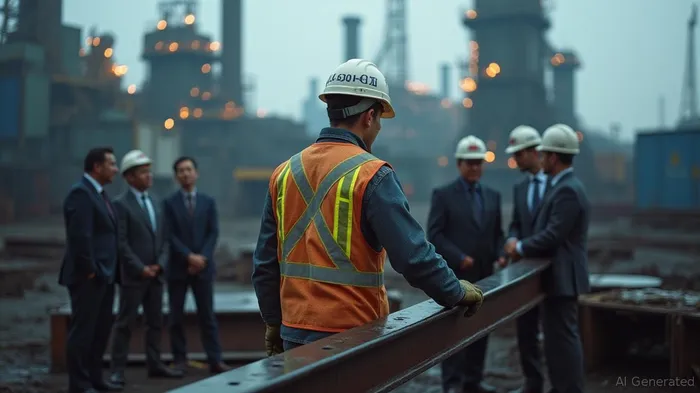
The Deal: A Bridge Between Old and New
The acquisition, structured with $14.9 billion in cash and debt, wasn't just about scale. Nippon Steel's access to the U.S. market—a critical hub for automotive, construction, and defense industries—positions it to capitalize on tariffs and geopolitical shifts. Meanwhile, U.S. Steel's aging infrastructure gains a $11 billion modernization lifeline through 2028, funded by Nippon's advanced production techniques. The result? A combined entity with 86 million tons of annual crude steel capacity, now the world's fourth-largest producer.
But the deal's most contentious feature was its “golden share,” granting the U.S. government a veto over decisions like facility closures or production relocations. This clause, designed to address national security concerns, reflects a broader trend: foreign capital is now required to cede unprecedented control to host governments in critical industries. For investors, this signals a new risk—regulatory overreach could stifle operational flexibility.
Strategic Rationale: A Play for Dominance and Stability
Nippon's bet hinges on two pillars: market access and technological leadership. The U.S. market, protected by tariffs under both Trump and Biden, insulates the merged entity from global oversupply. Meanwhile, Nippon's expertise in low-carbon steel production aligns with environmental regulations, a key selling point in a sector under fire for emissions.
For U.S. Steel, the deal offers a lifeline. The company's reliance on outdated coke-based processes has drawn criticism from groups like the Breathe Project, which demand a shift to greener methods. Nippon's $11B investment plan includes compliance with these demands, potentially unlocking new markets in green infrastructure.
However, the merger also faces headwinds. The United Steelworkers union has openly opposed the deal, citing concerns over foreign control and the 2026 expiration of its labor agreement. If renegotiations sour, operational disruptions could hurt margins. Similarly, environmental activists may push for costly retrofits, squeezing profit margins.
National Security: A Double-Edged Sword
The golden share's creation underscores a pivotal shift: critical supply chains are now governed by geopolitical calculus, not just economics. By retaining control over key decisions, the U.S. aims to prevent foreign entities from weaponizing supply chains during crises. Yet this sets a dangerous precedent—future investors may balk at such concessions, chilling foreign direct investment.
Analysts like Reuben Miller note that the golden share could deter capital inflows, especially in industries deemed “strategic.” For Nippon, though, the risk is worth the reward: the U.S. market's tariff protections and political stability outweigh regulatory headaches.
Investment Takeaways: A High-Reward, High-Risk Play
The merger presents a compelling opportunity for investors willing to bet on long-term industrial consolidation. Key considerations:
- Execution Risk: Monitor compliance with labor agreements (2026 expiration) and environmental mandates. Delays or disputes here could crater the stock.
- Regulatory Tailwinds: The U.S. government's support under Trump's administration suggests political backing, but Biden-era skepticism could resurface.
- Market Dynamics: Track global steel prices and demand from automakers (e.g., GM, Toyota), which now support the deal after opposing Cleveland-Cliffs' prior bid.
Conclusion: A New Era, But Not Without Potholes
Nippon Steel's takeover redefines the global steel industry, blending U.S. market dominance with Japanese innovation. For investors, the merger is a bet on two things: the inevitability of industrial consolidation and the U.S. government's willingness to balance security with free markets.
Investment Advice: Consider Nippon Steel (NSSMY) as a long-term holding for those with a high-risk tolerance. Look for catalysts like regulatory approvals for new projects, labor pact extensions, or breakthroughs in green steel technology. Avoid if you're averse to geopolitical volatility—or if you believe protectionism will stifle global steel demand.
In the end, this deal isn't just about steel—it's about who controls the infrastructure of the future. And that's a bet worth watching.

Stay ahead of the market.
Get curated U.S. market news, insights and key dates delivered to your inbox.


AInvest
PRO
AInvest
PRO



Comments
No comments yet