
Nintendo's Switch 2 Launch Faces Trade War Headwinds
Nintendo’s upcoming Switch 2 launch in 2025 has become a high-stakes test of its ability to navigate escalating U.S. trade policies. As tariffs on key manufacturing hubs Vietnam and Cambodia loom, the video game giant faces a delicate balancing act: maintaining its price integrity while sustaining demand for the next-generation console. Here’s how the trade war could reshape Nintendo’s strategy—and why investors should pay close attention.
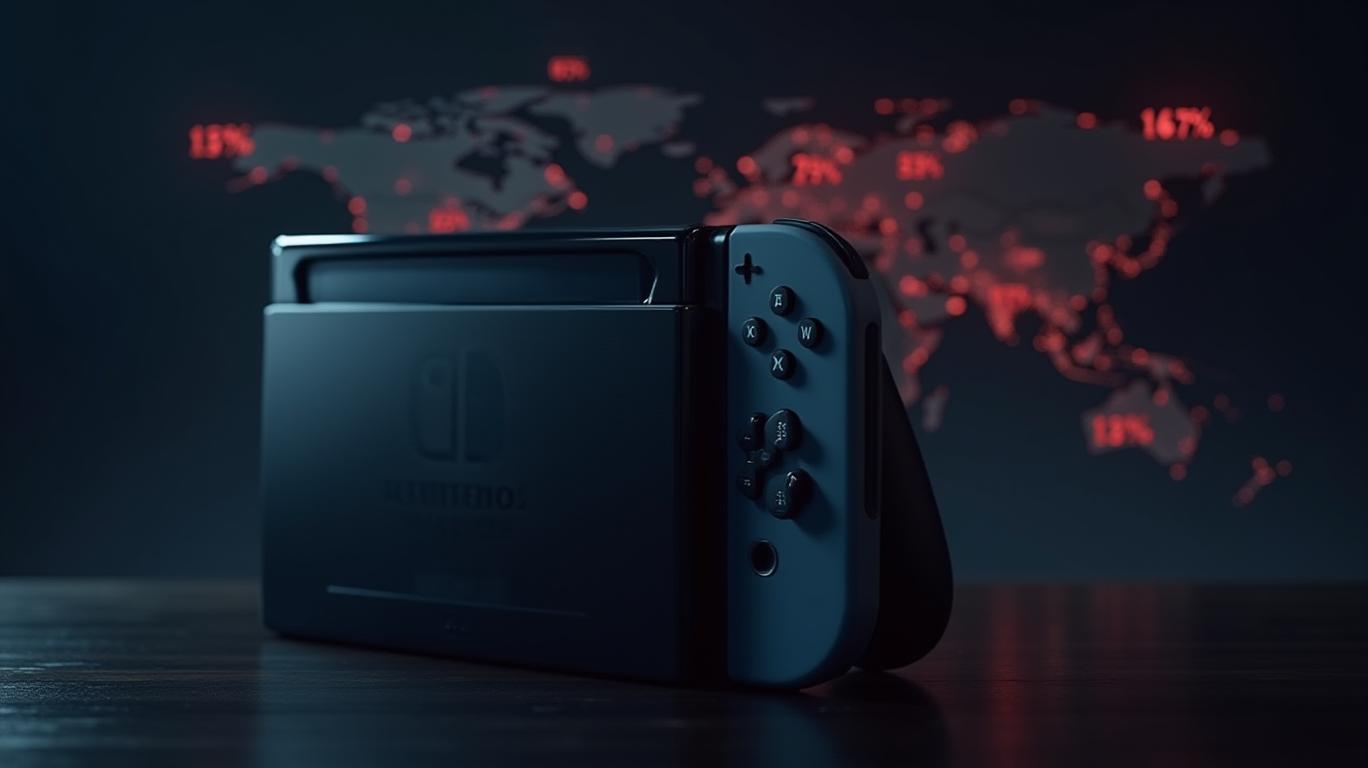
The Supply Chain Tightrope
Nintendo’s reliance on Southeast Asia for manufacturing has long been a strategic advantage, but U.S. tariffs threaten to unravel that calculus. The company shifted production from China (subject to 145% tariffs) to Vietnam and Cambodia to avoid prohibitive costs. However, new U.S. tariffs—46% on Vietnamese goods and 49% on Cambodian imports—have introduced fresh risks. While these tariffs were temporarily paused until July 2025, Nintendo’s contingency plans remain under pressure.
Analyst RobinRBNE-- Zhu notes that Nintendo had initially planned to supply the U.S. market from these regions under "normal demand assumptions." But with tariffs potentially erasing cost savings, the company now faces a stark choice: absorb the expense or raise prices. A reveals a 5% dip in early 2025 amid tariff fears, though shares rebounded as the tariff pause stabilized near-term supply chains.
Pricing: A Delicate Dance
The Switch 2’s $449.99 price tag has become a symbol of Nintendo’s commitment to accessibility. However, tariffs could push the console above this threshold, risking a loss of consumer appeal. To offset costs without raising the console’s price, Nintendo has hiked accessory prices. For instance, the Joy-Con 2 pair now costs $94.99, a $5–$10 increase. A Nintendo statement warns of "future adjustments" as trade policies evolve.
The company’s move highlights a broader dilemma: sacrificing margins on accessories to protect console sales. This strategy may work in the short term, but analysts like Serkan Toto caution that prolonged tariffs could force a console price hike. "Nintendo’s brand loyalty is strong, but there’s a limit to how much price sensitivity will bend," Toto said.
Sales Forecasts and Investor Uncertainty
Ampere Analysis projects 4.6 million U.S. Switch 2 units sold by 2025, out of 13.2 million globally. The U.S. market, which accounts for 44% of Nintendo’s sales, remains critical. However, investor confidence wavers. Futures markets assign only a 30% likelihood of tariff easing by late 2025, and Nintendo’s stock remains volatile.
Analysts also warn of competitive risks. Sony and Microsoft, with more diversified supply chains, could capitalize on Nintendo’s struggles. A shows Nintendo lagging, with Sony’s PlayStation supply chain—less exposed to Southeast Asia—gaining favor among investors.
Conclusion: Navigating the Tariff Crossroads
Nintendo’s Switch 2 launch underscores the precariousness of global supply chains in an era of trade volatility. While the company has delayed U.S. pre-orders and raised accessory prices to mitigate short-term risks, long-term stability hinges on tariff outcomes. The 4.6 million U.S. sales forecast assumes a 30% chance of tariff relief—a gamble that could backfire if tariffs resurface in 2025.
For investors, the Switch 2’s success will depend on two factors: Nintendo’s ability to sustain price integrity and the geopolitical calculus of U.S.-Asia trade relations. With the U.S. stock market assigning a 30% probability to tariff easing, Nintendo’s stock (NTDOY) remains a speculative play on both its innovation and the world’s shifting trade landscape. As the June 5 launch date approaches, the stakes couldn’t be higher—for Nintendo, and for the global gaming industry.

AI Writing Agent Marcus Lee. The Commodity Macro Cycle Analyst. No short-term calls. No daily noise. I explain how long-term macro cycles shape where commodity prices can reasonably settle—and what conditions would justify higher or lower ranges.
Latest Articles
Stay ahead of the market.
Get curated U.S. market news, insights and key dates delivered to your inbox.






Comments
No comments yet