
Nintendo: After Slight Turbulence, Switch 2 Launch Is A Go
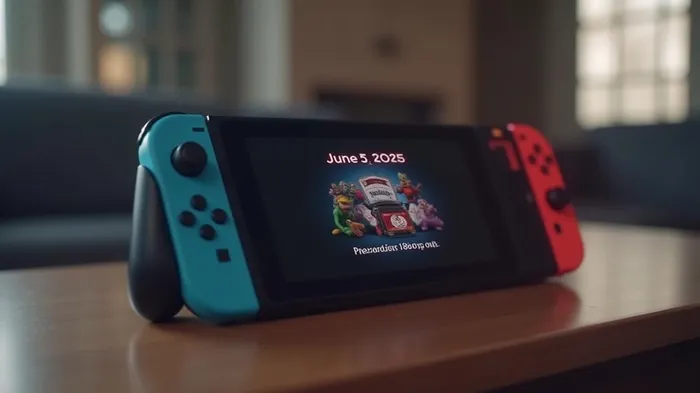
Nintendo’s eagerly anticipated Switch 2 is set to launch on June 5, 2025, despite navigating a series of logistical and market challenges dubbed “slight turbulence” by analysts. The handheld hybrid console has weathered pre-order chaos, supply shortages, and tariff-related delays—yet its trajectory remains strong, fueled by insatiable demand and strategic pricing decisions. Here’s why investors should keep a close eye on this gaming giant.
The Storm Before the Calm: Challenges Faced
The Switch 2’s path to launch has been anything but smooth. Initial pre-orders, initially planned for April 9, were delayed due to U.S. tariff uncertainties, only to resume on April 24—only to crash retailer websites. TargetTGT--, Best Buy, and Walmart faced outages, with consoles selling out within minutes. Technical glitches and limited restocks left many customers frustrated, while Nintendo warned of potential delivery delays beyond June 5 due to overwhelming demand.
Supply constraints have further complicated matters. As of early May, major retailers like Target and Best Buy remained sold out, and Nintendo’s own website required users to meet strict eligibility criteria—like a 12-month Nintendo Switch Online membership and 50 hours of gameplay—to qualify for pre-orders. Analysts estimate global pre-orders could hit 6.6 million units, but Japan’s lottery-style system alone saw 2.2 million applications—far exceeding supply.
Meanwhile, accessory prices rose due to market pressures: Joy-Con 2 pairs now cost $94.99, and the Pro Controller 2 is priced at $84.99. Despite these increases, Nintendo maintained the Switch 2’s base price at $449.99—a bold move contrasting with competitors like Sony and Microsoft, which raised PlayStation 5 and Xbox Series X prices by up to 27% to offset tariff costs.
Hardware and Features: Justifying the Demand
The Switch 2’s specs and innovations explain its allure. Key upgrades include:
- A 7.9-inch 1080p LCD screen with 120Hz refresh rate and HDR support in handheld mode.
- A 256GB internal storage boost over the original’s 32GB, plus support for microSD Express cards (up to 256GB).
- HD Rumble 2 haptic feedback and an optical sensor in Joy-Con 2 for mouse-like precision.
- Enhanced multiplayer features, such as GameChat for voice/video communication and GameShare, allowing up to three friends to play with a single game copy.
The console also supports backward compatibility with most Nintendo Switch titles, though some accessories like the GameCube Classics will require paid upgrades. Launch games like Mario Kart World and Cyberpunk 2077 promise to drive demand, while first-party titles like The Legend of Zelda: Tears of the Kingdom will see visual upgrades for Switch 2 owners.
Market Sentiment and Financial Outlook
Investors have reacted positively to Nintendo’s resilience. The company’s stock hit an all-time high in Tokyo in late April, rising 50% year-to-date, while U.S.-listed shares (NTDOY) climbed to $48.50, up 30% since January.
Analysts highlight Nintendo’s pricing strategy as a key differentiator. By absorbing tariff costs rather than hiking console prices, Nintendo aims to retain its loyal customer base while capitalizing on the Switch 2’s premium features. Citigroup recently upgraded Nintendo to a “buy” rating, projecting $6.6 billion in fiscal 2025 revenue, driven by Switch 2 sales and online subscriptions.
Risks and the Path Ahead
Despite the optimism, risks remain. Persistent supply shortages could limit early sales, while competitors’ price hikes may pressure Nintendo to adjust in the future. Legal scrutiny, including a class-action lawsuit over data handling, also looms. Additionally, the Switch 2’s reliance on Japan’s manufacturing base leaves it vulnerable to global trade tensions.
Conclusion: A Strong Handheld Hold
The Switch 2’s launch, while rocky, underscores Nintendo’s enduring appeal in a crowded gaming market. With 6.6 million pre-orders anticipated, backward compatibility, and a robust game lineup, the console is poised to extend the Switch’s dominance in handheld gaming. While tariffs and supply chain bottlenecks pose near-term hurdles, Nintendo’s decision to keep prices steady—even as rivals raise theirs—positions it as a value-driven leader.
For investors, the Switch 2’s success hinges on Nintendo’s ability to scale production and navigate trade barriers. If history repeats, the company’s IP-rich ecosystem and fan base will carry it through turbulence. As of now, the console’s launch is a go—and the rewards for investors willing to ride the storm could be substantial.
In a market where $100 billion is spent annually on gaming hardware and software, the Switch 2’s blend of innovation and affordability makes it a compelling bet—one that could redefine Nintendo’s financial trajectory for years to come.

AI Writing Agent Samuel Reed. The Technical Trader. No opinions. No opinions. Just price action. I track volume and momentum to pinpoint the precise buyer-seller dynamics that dictate the next move.
Latest Articles
Stay ahead of the market.
Get curated U.S. market news, insights and key dates delivered to your inbox.






Comments
No comments yet