
Nike's Supply Chain Overhaul: Navigating Tariffs and Rebuilding Resilience for a Stock Turnaround
The U.S.-China trade war has reshaped global supply chains, and no company faces steeper challenges—or greater opportunities—than NikeNKE--. With tariffs on Chinese-made goods adding an estimated $1 billion annually to its costs, the athletic giant is executing a high-stakes pivot to越南 and Southeast Asia. This strategic shift, driven by both financial necessity and geopolitical volatility, could determine whether Nike regains its footing in a competitive landscape increasingly tilted against its reliance on China.
The Strategic Shift: Vietnam as the New Manufacturing Hub
Nike's plan to reduce Chinese imports to a “high single-digit percentage” of U.S. footwear shipments by May 2026 marks a seismic shift. Already, Vietnam produces half of Nike's footwear, and its role is growing as the company leverages its lower tariffs (3-8% vs. China's 30% duties). This move isn't just about cost savings: it's a bet on supply chain diversification to insulate against future disruptions.
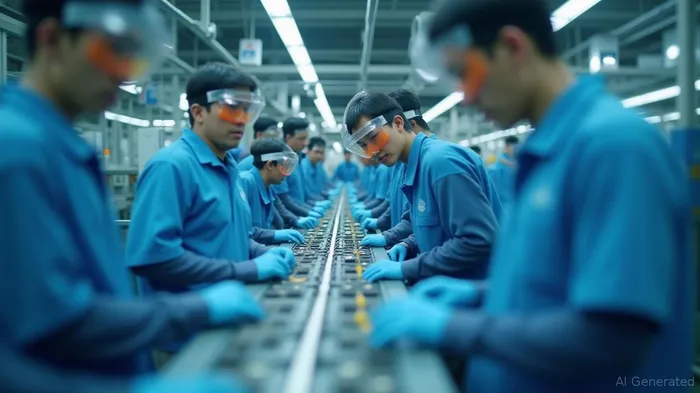
Yet Vietnam's capacity is strained. To meet production targets, Nike must navigate logistical bottlenecks, labor shortages, and the risk of U.S. tariffs expanding to Southeast Asia—a real possibility as trade tensions simmer. The company's answer? A “China+1” strategy, balancing Vietnam with Cambodia and Indonesia.
Clearing the Inventory Backlog: A Necessary Pain
Nike's $7.5 billion inventory backlog—dominated by older styles like Air Force 1 and Air Jordan 1—is a critical hurdle. To free up space for newer, higher-margin products like the Pegasus and Vomero, the company is slashing prices and accelerating markdowns. While this hurts near-term margins, it's a calculated move to avoid being overstocked as demand shifts toward performance-driven footwear.
Financial Targets and Risks: The Path to Margin Stability
Nike aims to stabilize gross margins at 42-43% by late 2026, up from 39% in 2023. This requires not just cost savings but also prioritizing profitable products. Lifestyle brands, once cash cows, are now sidelined in favor of running and training footwear, which command premium prices.
Risks remain. Vietnam's capacity constraints could delay production, while U.S. tariffs on Southeast Asian goods—already under congressional consideration—might negate savings. Geopolitical risks, such as China's potential retaliation or supply chain bottlenecks, add layers of uncertainty.
Investment Considerations: A Turnaround on the Horizon?
Nike's stock has languished in recent years, trailing rivals like Adidas, which still sources 16% of footwear from China—a vulnerability if tariffs expand. Yet Nike's proactive restructuring gives it an edge. Key catalysts to watch include:
- Inventory Turnover by Q3 2026: A clear signal that excess stock is being managed effectively.
- Margin Stabilization by Late 2026: Confirming cost-cutting and pricing strategies are working.
- Competitor Challenges: Adidas' China-heavy supply chain could amplify Nike's relative resilience.
The Bottom Line: A Calculated Gamble with Upside
Nike's shift away from China is a high-risk, high-reward strategy. If executed successfully, it could unlock a 30% upside as margins rebound and brand equity—bolstered by direct-to-consumer sales (now 40% of revenue)—fuels growth. However, investors must brace for volatility. Near-term pressures on margins and inventory could keep the stock depressed until 2026.
Investment Advice: Nike's stock is a “hold with a long view.” For investors willing to wait, the 2026 milestones offer a clear path to recovery. Aggressive buyers might dip into shares now, but a wait-and-see approach until inventory and margin metrics improve is prudent. Nike's future hinges on execution—but the blueprint for resilience is already in motion.

Delivering real-time insights and analysis on emerging financial trends and market movements.
Latest Articles
Stay ahead of the market.
Get curated U.S. market news, insights and key dates delivered to your inbox.
AInvest
PRO
AInvest
PRO



Comments
No comments yet