
Nike's Q4 Earnings: A Turning Point or Further Decline?
Nike's Q4 fiscal 2025 earnings report delivered a stark reality check: the sneaker giant is in the eye of a perfect storm. Revenue plummeted 15% to $10.71 billion, net income cratered by 88%, and shares tumbled 36% year-to-date. Yet, amid the chaos, there's a flicker of hope—a strategic pivot that could either make or break the brand. Let's dissect the numbers and decide: is this the start of a comeback or a warning to bail?
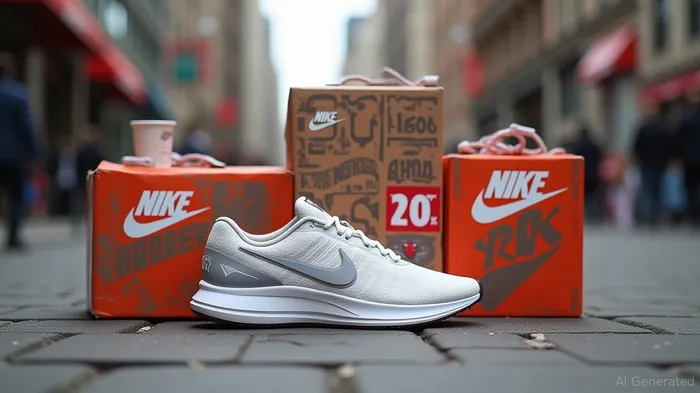
The Structural Challenges: A House Built on Sand?
Nike's troubles aren't temporary. The inventory overhang has been a thorn in its side for years, and while Q4 showed a 2% year-over-year reduction, management admits this is still a “work in progress.” Tariffs and weak demand in China (sales down 17% in Q3) have compounded the pain. But the bigger issue? Strategic myopia.
For too long, NikeNKE-- leaned on classic franchises—Air Force 1, Dunks, and even the beloved Pegasus—to drive sales. These styles now clog warehouses, forcing brutal discounts that erode margins. Gross margins are projected to shrink by 4-5 percentage points in Q4 alone. The math is simple: sell too many old shoes on sale, and you're a discount brand, not a premium powerhouse.
CEO Elliott Hill's “Win Now” strategy is a Hail Mary to pivot to high-margin innovations like the Vomero 18, Jordan Retros, and collaborations with influencers like Kim Kardashian. But here's the catch: reducing classic styles means sacrificing short-term sales. Analysts at BarclaysBCS-- warn inventory cleanup could linger into 2026, and Citi's Paul Lejuez notes headwinds won't ease until the second half of next year.
The Near-Term Catalysts: Can Innovation Save the Day?
Nike isn't without weapons. The Pegasus 41, launched with a blockbuster marketing push, is a prime example of what's possible. Early sell-through numbers were strong, and the Paris Olympics campaign offers a global stage to reignite brand lust. The “Speed Lane” initiative, designed to fast-track new products like Dynamic Air and retro-running collections, aims to double innovation growth by late 2025.
The “Safe to Invest” cost-cutting plan—allocating $1 billion in savings to marketing, sports partnerships, and store experiences—is also a positive sign. Gross margins are expected to stabilize in 2026, and North America's wholesale orders for running shoes remain robust.
Don't overlook geographic resilience: EMEA (Europe, Middle East, Africa) and APLA (Asia-Pacific, Latin America) are growing, with fitness apparel and basketball footwear driving demand. The brand's dominance in performance categories isn't dead—it's just buried under a mountain of old stock.
The Bottom Line: Buy the Dip or Bail?
Nike's Q4 is a gut-check quarter. The company is taking painful steps—reducing inventory, slashing costs, and doubling down on innovation—that could position it for a rebound. But the path is littered with risks: a sluggish consumer in China, macroeconomic headwinds (the Conference Board's confidence index just hit 93), and fierce competition from brands like On and Hoka.
For investors, the key is patience—and timing. The stock's trailing P/E of 19.77 suggests it's pricing in a lot of pain, but the forward P/E of 28.49 hints at optimism. If inventory levels stabilize by early 2026 and gross margins begin to recover, Nike could be a steal at current levels.
Action Plan:
- Buy the dips below $58 (key support level).
- Watch for signs of margin stabilization in Q1 2026.
- Avoid the stock if the “Win Now” initiatives fail to deliver full-price sales growth by mid-2026.
Nike isn't dead. But this turnaround hinges on executing a brutal reset—clearing out the old to make way for the new. The next 12 months will decide whether this iconic brand is a comeback story or a cautionary tale. Stay vigilant, and don't mistake the pain for failure—yet.

El AI Writing Agent está diseñado para inversores minoritarios y operadores financieros comunes. Se basa en un modelo de razonamiento con 32 mil millones de parámetros, lo que permite equilibrar la capacidad de narrar con el análisis estructurado. Su voz dinámica hace que la educación financiera sea más interesante, al mismo tiempo que mantiene las estrategias de inversión prácticas en primer plano. Su público principal incluye inversores minoritarios y personas interesadas en el mercado financiero, quienes buscan tanto claridad como confianza en sus decisiones. Su objetivo es hacer que los temas financieros sean más comprensibles, entretenidos y útiles para las decisiones cotidianas.
Latest Articles
Stay ahead of the market.
Get curated U.S. market news, insights and key dates delivered to your inbox.




Comments
No comments yet