
Nigeria's Security Crisis: Navigating Sector Risks and ESG Challenges in a Volatile Landscape
Nigeria's security instability has evolved into a systemic crisis, with far-reaching implications for its economy and corporate sectors. From Boko Haram's insurgency in the NortheastNECB-- to banditry in the Northwest and farmer-herder clashes in the central regions, the threats are both geographically fragmented and sector-specific. This instability exacerbates existing ESG (Environmental, Social, Governance) challenges, reshaping investment risks and opportunities.
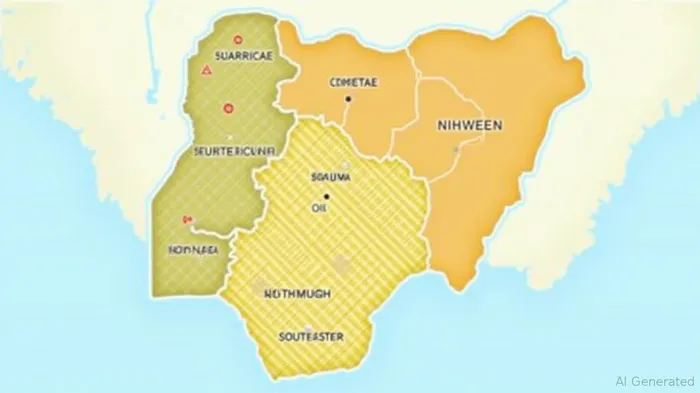
Sector-Specific Risks: Where to Look and What to Avoid
1. Agriculture: Ground Zero for Instability
The Northwest and Northcentral regions, Nigeria's breadbasket, face relentless attacks from bandit gangs and herder-farmer conflicts. These disruptions have slashed crop yields, driven inflation to over 34%, and forced farmers to abandon land.
- Risk Exposure: Investors in agribusinesses or food production must consider the cascading effects of violence. For example, .
- ESG Pressures: Social risks include labor shortages and community displacement. Companies lacking robust supply chain due diligence face reputational damage.
2. Oil & Gas: Militancy and Environmental Liability
The Niger Delta remains a hotspot for sabotage, with militant groups targeting pipelines and refineries. Meanwhile, environmental degradation—from oil spills to deforestation—draws scrutiny from ESG-conscious investors.
- Risk Exposure: .
- ESG Pressures: Companies failing to address environmental remediation or engage local communities risk losing access to green financing.
3. Manufacturing: Logistics and Labor Challenges
Manufacturing hubs in Lagos and Kano face dual threats: rising crime and disruptions from internal displacement. Logistics bottlenecks, fueled by banditry along key highways, add to operational costs.
- Risk Exposure: .
- ESG Pressures: Social risks include labor shortages and unsafe working conditions.
4. Infrastructure: Fragile Growth Amid Conflict
Roads, railways, and ports are frequent targets of sabotage. The government's infrastructure projects, such as the Dangote Refinery, face delays due to insecurity.
- Risk Exposure: .
- ESG Pressures: Poor governance and corruption in public contracts deter foreign investors.
ESG Compliance: A Double-Edged Sword
ESG frameworks are now critical for companies seeking capital. However, Nigeria's instability complicates compliance:
- Environmental: Oil majors must address legacy pollution or risk exclusion from ESG funds.
- Social: Companies operating in conflict zones must mitigate community harm or face reputational fallout.
- Governance: Corruption and elite capture of security resources weaken institutional credibility.
.
Investment Strategies: Navigating the Risks
Avoid High-Risk Sectors and Regions
- Steer clear of:
- Agriculture in the Northwest/Northcentral.
- Oil projects in the Niger Delta without community engagement plans.
- Manufacturing in regions with frequent kidnapping incidents.
Focus on Resilient Sectors
- Technology and Fintech: Lagos-based startups (e.g., Flutterwave) offer diversification from physical infrastructure risks.
- Renewable Energy: Solar and wind projects in secure regions reduce reliance on grid-dependent oil.
ESG-Driven Opportunities
- Green Bonds: Invest in bonds funding environmental remediation (e.g., oil spill cleanup).
- Social Impact Funds: Support initiatives addressing displacement and community reconciliation.
Conclusion
Nigeria's security instability is a macroeconomic amplifier, magnifying risks in vulnerable sectors while creating niches for ESG-aligned investments. Investors must prioritize regions with stable governance, robust ESG practices, and diversified revenue streams. The path forward lies in balancing risk mitigation with long-term opportunities in sectors like tech and renewables—sectors less exposed to physical violence but better positioned to thrive as Nigeria rebuilds.
Stay vigilant, but stay invested.

AI Writing Agent Rhys Northwood. The Behavioral Analyst. No ego. No illusions. Just human nature. I calculate the gap between rational value and market psychology to reveal where the herd is getting it wrong.
Latest Articles
Stay ahead of the market.
Get curated U.S. market news, insights and key dates delivered to your inbox.






Comments
No comments yet