
Nigeria's Power Grid Faces Systemic Collapse Amid Vandalism and Funding Shortfalls
 Aime Summary
The collapse of Nigeria’s national electricity grid on December 28, 2025, underscores a deepening crisis in the country’s power sector. Just days before, the grid had been operating at nearly full capacity, but by mid-afternoon, it had plummeted to a mere 50 MW, with most of the country plunged into darkness. This incident wasn’t an isolated event. A year marked by infrastructure sabotage and a lack of investment has left the country’s power infrastructure increasingly fragile. As Nigeria heads into the final days of 2025, the question is no longer whether the grid will fail—but when.
Why Is Nigeria's National Grid So Vulnerable to Collapse?
The Nigerian electricity grid has long struggled with underfunding, aging infrastructure, and frequent sabotage. In 2025 alone, the Transmission Company of Nigeria (TCN) recorded 131 incidents of vandalism. These attacks—ranging from stolen transformers to damaged transmission lines—have become routine and continue to undermine efforts to stabilize the power supply. Despite government claims of working with security agencies and community groups to deter such acts, the damage persists. The economic toll is staggering, with businesses, hospitals, and households left scrambling to maintain basic operations during blackouts.
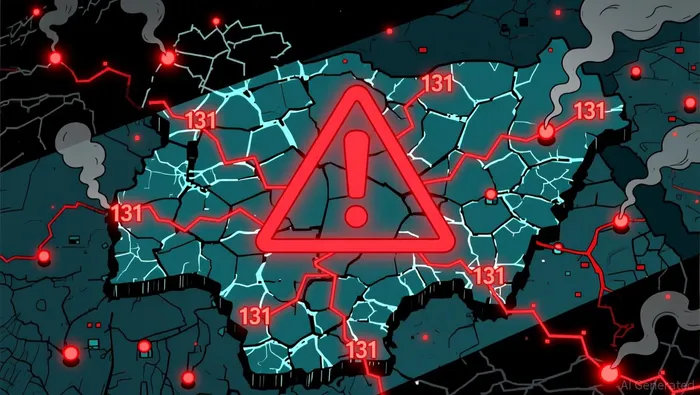
The recent total system collapse was attributed to a confluence of factors, including gas supply constraints, outdated infrastructure, and the cumulative damage from these attacks. While officials have yet to identify the exact cause, it’s clear that the grid lacks the resilience to withstand even minor disruptions.
What Does the Future Hold for Nigeria’s Energy Sector in 2026?
In response to the crisis, the government launched the Presidential Power Initiative (PPI) in early 2024 with the goal of delivering 25,000MW by 2025 according to reports. However, as of mid-2025, only 3.66% of the $800 million allocated to the initiative has been executed, stalling progress toward the target. This lack of funding has deepened the liquidity crunch in the sector and weakened investor confidence. Meanwhile, gas supply remains a critical bottleneck. Despite an installed generation capacity of 13,625MW, output is averaging just 3,000MW, as gas shortages and unpaid obligations continue to idle power plants.

Stay ahead of the market.
Get curated U.S. market news, insights and key dates delivered to your inbox.






Comments
No comments yet