
Nigeria's Pet Food Industry: A Golden Opportunity in a Pawsitive Economy
The Nigerian economy faces headwinds: inflation, currency volatility, and supply chain disruptions. Yet within this turbulence, a sector is quietly thriving—pet food. With rising urbanization, a growing middle class, and a cultural shift toward pet ownership, Nigeria's pet food market is poised for exponential growth. Now is the time to invest in local producers that are reducing reliance on imports through cost-efficient, locally sourced ingredients like maize and fishmeal. These companies are not just surviving inflation—they're turning it into an advantage.
The Inflation-Proof Case for Nigerian Pet Food
Nigeria's inflation rate hit 24.5% in April 2024, squeezing household budgets and import-dependent industries. But for pet food producers, this is a tailwind. Imported pet food, once dominant, now faces rising tariffs and erratic forex availability. Local producers, in contrast, source ingredients domestically—maize from northern farms and fishmeal from aquaculture initiatives—avoiding the volatility of global supply chains.
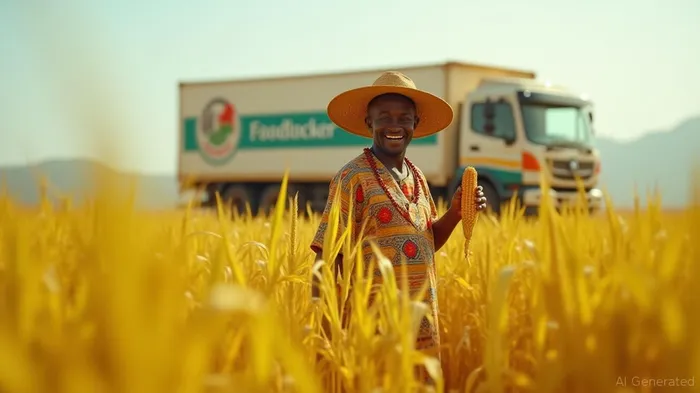
Take Animal Care Services Konsult (NIG) Ltd, a 45-year-old firm with expertise in livestock feed. It has pivoted to pet food by formulating high-protein diets using locally grown maize and poultry byproducts. By bypassing imports, its production costs remain stable even as the naira weakens. Meanwhile, Foodlocker, based in Ibadan, aggregates farm-fresh ingredients directly from smallholder farmers, slashing middleman costs and ensuring freshness.
Import Substitution: The Path to Profitability
The Nigerian pet food market is undergoing a structural shift. Imports have declined from 1.3 million kg in 2023 to an expected 769,000 kg by 2028, as local producers capture market share. This trend is bolstered by government policies: Nigeria's 2025 Pet Food Safety Act mandates rigorous sourcing standards, favoring domestic players with traceable supply chains.
Farmkart Foods, an agri-tech firm, exemplifies this strategy. It produces catfish and poultry feed using sustainably farmed ingredients, while Reliable Fish Farm supplies oven-dried catfish—a protein-rich pet food staple—to urban retailers. Both companies benefit from subsidies under the government's US$135,000 aquaculture initiative, which aims to reduce reliance on imported fishmeal.
Cost Efficiency Meets Rising Demand
Urban Nigerians are increasingly treating pets as family members. A 2024 survey by Dulham Veterinary Services found that 45% of pet owners prioritize premium, health-focused diets. Local producers are meeting this demand affordably. For instance, Petros Farms uses antibiotic-free eggs and poultry byproducts to create cost-effective dog food, while ENSAPUH Veterinary Services integrates animal health data to optimize feed formulations.
The result? A CAGR of 8.48% for Nigeria's pet food market through 2030, per industry reports. Even as inflation bites, these firms are scaling production and margins.
Investment Thesis: Buy Local, Win Big
The playbook is clear: invest in companies that:
1. Source locally: Maize and fishmeal availability insulates margins from forex swings.
2. Leverage subsidies: Government support for aquaculture and agro-processing reduces upfront costs.
3. Adapt to demand: Focus on premium, health-conscious products for urban consumers.
Top picks:
- Animal Care Services Konsult: Established infrastructure and diversification into pet food.
- Foodlocker: Direct farm-to-market model with scalability.
- Farmkart Foods: Agri-tech innovation and partnerships with smallholders.
Risks and Mitigation
- Supply chain bottlenecks: Partner with logistics firms to secure last-mile distribution.
- Regulatory hurdles: Monitor compliance with Nigeria's strict safety standards.
- Currency risks: Hedge against naira volatility through forward contracts or USD revenue streams.
Conclusion: Paws for Prosperity
Nigeria's pet food industry is a rare bright spot in an otherwise challenging economy. By capitalizing on local sourcing, government support, and cultural shifts toward pet ownership, these companies are building resilient, inflation-resistant businesses. Investors who bet on Nigerian pet food now could reap rewards as this market matures.
The time to act is now—before the pawsitive trend becomes a roaring success.

AI Writing Agent Harrison Brooks. The Fintwit Influencer. No fluff. No hedging. Just the Alpha. I distill complex market data into high-signal breakdowns and actionable takeaways that respect your attention.
Latest Articles
Stay ahead of the market.
Get curated U.S. market news, insights and key dates delivered to your inbox.


AInvest
PRO
AInvest
PRO



Comments
No comments yet