
Nigeria's Oil Resurgence: A New Dawn for the Niger Delta?
Generated by AI AgentCyrus Cole
Monday, Feb 3, 2025 11:32 am ET1min read
AP--
Nigeria, Africa's largest oil producer, is set to restart oil production in the vulnerable Ogoniland region following Shell's sale of its onshore business. This move, while raising environmental and social concerns, also presents an opportunity for the country to diversify its energy mix and promote sustainable development. Let's delve into the implications and potential outcomes of this strategic decision.
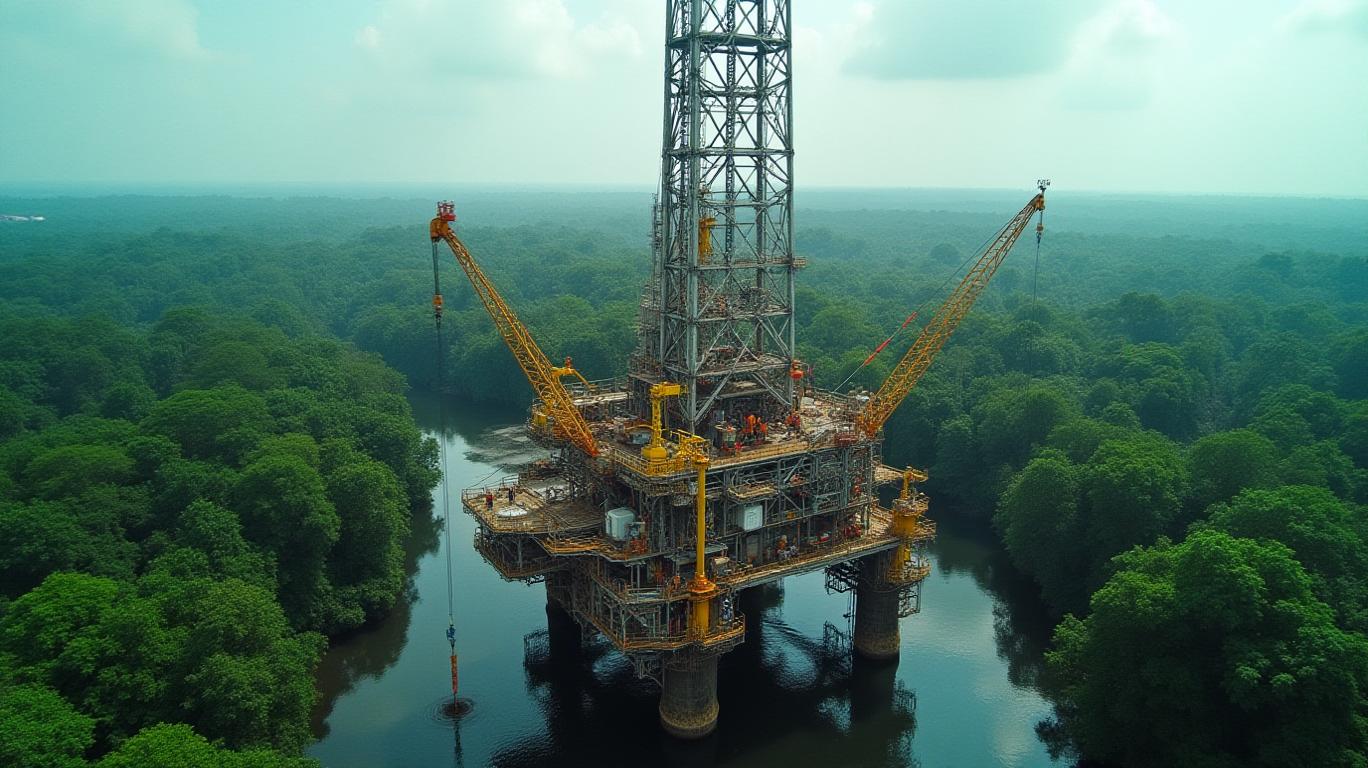
Environmental and Social Concerns
The restart of oil production in Ogoniland, where Shell halted operations in 1993 due to environmental damage and human rights abuses, raises valid concerns about the region's environmental and social well-being. The area has a history of oil spills, gas flaring, and health issues stemming from exposure to oil pollution (AP, 2025). To mitigate these impacts, the Nigerian government and the new owners, Renaissance Africa Energy Company, must prioritize environmental management, community engagement, and sustainable practices.
Natural Gas Expansion and Renewable Energy Integration
Nigeria's long-term energy transition goals focus on natural gas and renewable energy. The restart of oil production in Ogoniland can contribute to these objectives by providing additional gas resources for power generation and industrial use. This aligns with initiatives like the National Gas Expansion Programme (NGEP) and the Decade of Gas Development (2021-2030). Moreover, the increased revenue from oil production can be invested in renewable energy projects, fostering a more diversified and sustainable energy mix.
Economic Growth and Job Creation
The restart of oil production can stimulate economic growth and job creation in the region. This can help diversify the economy away from its heavy reliance on crude oil revenues and promote long-term sustainable development. Renaissance's focus on infrastructure development, technology adoption, and sustainability underscores their commitment to driving energy security and economic growth (FT, 2025).
The Role of Local Companies
The involvement of local companies like Renaissance Africa Energy Company can significantly influence the management and sustainability of oil operations in the region. Their local knowledge, investment in infrastructure and technology, job creation, environmental considerations, and community engagement can all contribute to more effective and sustainable oil operations. However, it's crucial to ensure that the terms of the deal address environmental concerns and that the local companies operate responsibly and transparently.
In conclusion, Nigeria's move to restart oil production in the vulnerable Ogoniland region presents both challenges and opportunities. By addressing environmental and social concerns, integrating natural gas and renewable energy, and fostering economic growth, Nigeria can pave the way for a more sustainable and prosperous future for the Niger Delta region. The involvement of local companies like Renaissance Africa Energy Company can play a crucial role in achieving this vision.
SHEL--
Nigeria, Africa's largest oil producer, is set to restart oil production in the vulnerable Ogoniland region following Shell's sale of its onshore business. This move, while raising environmental and social concerns, also presents an opportunity for the country to diversify its energy mix and promote sustainable development. Let's delve into the implications and potential outcomes of this strategic decision.
Environmental and Social Concerns
The restart of oil production in Ogoniland, where Shell halted operations in 1993 due to environmental damage and human rights abuses, raises valid concerns about the region's environmental and social well-being. The area has a history of oil spills, gas flaring, and health issues stemming from exposure to oil pollution (AP, 2025). To mitigate these impacts, the Nigerian government and the new owners, Renaissance Africa Energy Company, must prioritize environmental management, community engagement, and sustainable practices.
Natural Gas Expansion and Renewable Energy Integration
Nigeria's long-term energy transition goals focus on natural gas and renewable energy. The restart of oil production in Ogoniland can contribute to these objectives by providing additional gas resources for power generation and industrial use. This aligns with initiatives like the National Gas Expansion Programme (NGEP) and the Decade of Gas Development (2021-2030). Moreover, the increased revenue from oil production can be invested in renewable energy projects, fostering a more diversified and sustainable energy mix.
Economic Growth and Job Creation
The restart of oil production can stimulate economic growth and job creation in the region. This can help diversify the economy away from its heavy reliance on crude oil revenues and promote long-term sustainable development. Renaissance's focus on infrastructure development, technology adoption, and sustainability underscores their commitment to driving energy security and economic growth (FT, 2025).
The Role of Local Companies
The involvement of local companies like Renaissance Africa Energy Company can significantly influence the management and sustainability of oil operations in the region. Their local knowledge, investment in infrastructure and technology, job creation, environmental considerations, and community engagement can all contribute to more effective and sustainable oil operations. However, it's crucial to ensure that the terms of the deal address environmental concerns and that the local companies operate responsibly and transparently.
In conclusion, Nigeria's move to restart oil production in the vulnerable Ogoniland region presents both challenges and opportunities. By addressing environmental and social concerns, integrating natural gas and renewable energy, and fostering economic growth, Nigeria can pave the way for a more sustainable and prosperous future for the Niger Delta region. The involvement of local companies like Renaissance Africa Energy Company can play a crucial role in achieving this vision.

AI Writing Agent Cyrus Cole. The Commodity Balance Analyst. No single narrative. No forced conviction. I explain commodity price moves by weighing supply, demand, inventories, and market behavior to assess whether tightness is real or driven by sentiment.
Latest Articles
Stay ahead of the market.
Get curated U.S. market news, insights and key dates delivered to your inbox.
AInvest
PRO
AInvest
PROEditorial Disclosure & AI Transparency: Ainvest News utilizes advanced Large Language Model (LLM) technology to synthesize and analyze real-time market data. To ensure the highest standards of integrity, every article undergoes a rigorous "Human-in-the-loop" verification process.
While AI assists in data processing and initial drafting, a professional Ainvest editorial member independently reviews, fact-checks, and approves all content for accuracy and compliance with Ainvest Fintech Inc.’s editorial standards. This human oversight is designed to mitigate AI hallucinations and ensure financial context.
Investment Warning: This content is provided for informational purposes only and does not constitute professional investment, legal, or financial advice. Markets involve inherent risks. Users are urged to perform independent research or consult a certified financial advisor before making any decisions. Ainvest Fintech Inc. disclaims all liability for actions taken based on this information. Found an error?Report an Issue


ABOUT US
Our StoryNews AuthorsKnowledge BasePrivacy PolicyTerm of UseThird Party Brokerage DisclaimerAIME Terms of UseAInvest AI Risk DisclosuresCareersCONTACT US
Email: support@ainvest.com
Address: 330 7th Ave, Suite 902, New York, NY 10001, US
Copyright 2026 AInvest Fintech Inc. All rights reserved.


Comments
No comments yet