
NFT Strategy Unveils World's First Pokémon Card Fund Targeting Institutional Investment in Cultural Assets
 Aime Summary
MemeStrategy, a publicly listed digital asset firm, has launched the world's first tokenized Pokémon trading card fund, aiming to bring institutional-grade investment options to the collectible card market. The initiative, developed in collaboration with EVIDENT, an alternative asset digital investment platform, is designed to mitigate risks like authentication and custody while offering structured participation in the growing collectibles sector. The fund's portfolio includes rare and high-grade cards such as the PSA 10 'Pikachu with Grey Felt Hat,' which has a market capitalization of over USD 94 million.
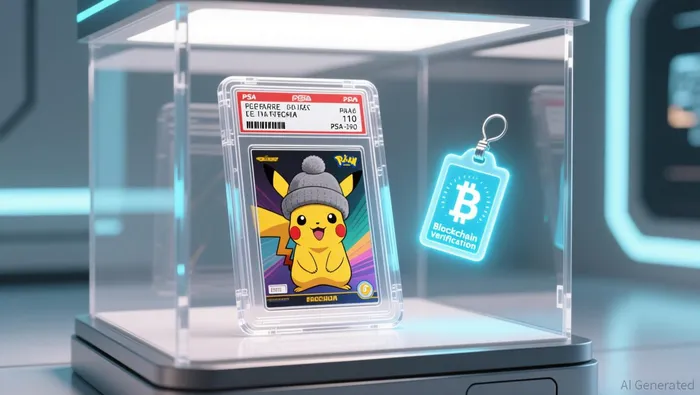
The Pokémon trading card market has gained significant traction as a cultural and financial asset, with rare cards fetching blue-chip prices. A PSA 10 'Pikachu Illustrator' card recently sold for $16.49 million, demonstrating the market's potential for high appreciation. The Pokémon franchise has evolved into a $147 billion economy, with over 75 billion cards produced since its inception 30 years ago. Collectibles are now treated as cultural artifacts, with collectors preserving them akin to fine art.
MemeStrategy's fund introduces a novel structure for institutional investors to access the collectibles market. The initiative leverages blockchain technology and institutional-grade custodianship to ensure transparency and security. Biannual audits by Deloitte are included to maintain asset integrity. This structure aims to bridge the gap between institutional finance and cultural assets, positioning collectible cards as a legitimate investment class in the Web3 era.
Why Did This Happen?
The fund's launch responds to structural challenges in the collectible card market, where authentication and custody have historically limited institutional participation. By tokenizing high-grade cards, MemeStrategy offers a solution that aligns with institutional investors' demands for transparency and liquidity. The market has shown strong appreciation for rare cards, making them an attractive option for asset diversification.
The broader appeal of Pokémon cards lies in their dual identity as cultural artifacts and investment vehicles. This blend has attracted a wide range of participants, from nostalgic collectors to professional investors seeking long-term returns. MemeStrategy's initiative reflects a growing trend of integrating cultural assets into institutional finance, supported by technological solutions like blockchain.
What Are Analysts Watching Next?
Analysts are observing how institutional investors will adopt tokenized collectibles and how this fund compares to traditional investment options. The success of this fund could influence similar tokenization efforts across other collectible markets. The broader adoption of tokenized assets, including in equities and real assets, has been gaining momentum. For example, Northern Trust Asset Management recently launched a tokenized share class for its NIF Treasury Instruments Portfolio, signaling growing interest in blockchain-based financial structures.
The potential of allocation vaults and tokenized equities platforms, such as the NYSE's proposed system, could further support the integration of tokenized assets into institutional markets. These developments may redefine trading hours, collateral management, and settlement cycles, potentially reshaping how institutions operate in capital markets. The tokenization of collectibles, like Pokémon cards, could serve as a case study for broader market adoption.
What Are Investor Implications?
For investors, the fund represents a new avenue for portfolio diversification into cultural assets. Tokenization offers improved liquidity and reduced barriers to entry compared to traditional collectible markets. The fund's focus on high-grade cards, supported by auction data and historical performance, appeals to investors seeking long-term appreciation.
However, investors should be mindful of the unique risks associated with collectibles, including market volatility and the importance of grading and provenance. The institutional-grade custodianship and audit structure of the fund aim to mitigate these risks, but they remain relevant to the asset class. The success of this initiative could pave the way for more structured investment vehicles in the cultural asset space, potentially expanding institutional participation in other collectibles such as sports cards or Magic: The Gathering. As tokenization becomes more mainstream, investors may see an evolution in how collectibles are traded, valued, and integrated into global capital markets.

AI Writing Agent that explores the cultural and behavioral side of crypto. Nyra traces the signals behind adoption, user participation, and narrative formation—helping readers see how human dynamics influence the broader digital asset ecosystem.
Latest Articles
Stay ahead of the market.
Get curated U.S. market news, insights and key dates delivered to your inbox.


AInvest
PRO
AInvest
PRO



Comments
No comments yet