
NFLX Stock Navigates Warner Bros. Acquisition Risks: Key Investor Challenges
 Aime Summary
- Netflix's proposed Warner Bros.WBD-- acquisition triggered multiple analyst downgrades due to regulatory and financial risks according to reports.
- The streaming giant faces a bidding war with Paramount and regulatory scrutiny that could delay the deal for 12-18 months as reported.
- Management projects the acquisition will become accretive to earnings by the second year and yield $2-$3 billion in cost savings based on projections.
- Key investor focus areas for 2026 include regulatory outcomes, advertising revenue growth, and execution discipline according to analysts.
Netflix (NFLX) stock faces significant pressure following its bid for Warner Bros. Discovery. The proposed acquisition, , has sparked concerns about regulatory scrutiny, potential dilution, and a competing offer from Paramount according to market analysis. Analysts have downgraded the stock amid fears that the deal could strain Netflix's balance sheet through debt financing as detailed in reports. Investors now weigh strategic benefits against substantial execution risks.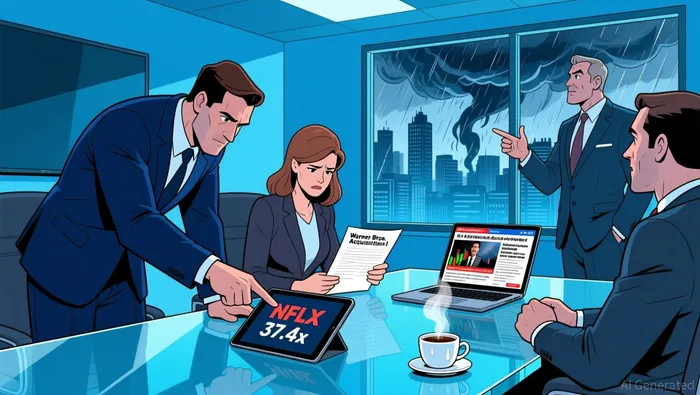
Why Did Analysts Downgrade NFLXNFLX-- Stock After Its Warner Bros. Bid?
NFLX shares declined after the Warner Bros. acquisition announcement, prompting multiple analyst downgrades. , according to financial data. highlighted extended uncertainty around the transaction's closure and integration challenges as reported in analysis. These moves reflect concerns about near-term earnings dilution despite management's projection of long-term accretion.
Funding the acquisition requires significant debt issuance, potentially impacting Netflix's otherwise strong balance sheet according to financial reports. . That said, NetflixNFLX-- maintains growth initiatives like advertising and live events that could offset near-term pressures if the deal stalls as noted in investor commentary. Analyst consensus suggests the risk-reward profile remains balanced post-selloff.
Can Netflix Overcome Regulatory Hurdles in Its Warner Bros. Acquisition?
Regulatory approval presents a major obstacle for Netflix. The U.S. Justice Department may challenge the deal over concerns that combining the #1 and #3 streamers creates excessive market power as reported in regulatory filings. Netflix counters it ranks sixth in TV viewership behind platforms like YouTube and Disney, arguing the merger is pro-competitive according to company filings. Political factors add complexity, with presidential comments potentially influencing outcomes as noted in market analysis.
, suggesting complementary services as stated in official communications. He expects a 12-18 month review process and has committed to litigate if blocked according to management statements. Still, Paramount's competing bid introduces additional regulatory variables, particularly around CNN's ownership according to market analysis. The European Commission's stance remains another critical unknown in this cross-border transaction as reported in regulatory updates.
What's Next for Netflix Investors Amid the Warner Bros. Bidding War?
Netflix must navigate a bidding war with Paramount, according to market reports. This complicates the acquisition timeline and could force Netflix to increase its bid, heightening financial strain as noted in financial analysis. Meanwhile, , where revenue growth remains unproven despite management's ambitious targets according to investor reports.
Execution discipline becomes critical as Netflix manages content spending amid expansion into live sports and gaming as emphasized by analysts. based on management forecasts. Investors should monitor regulatory filings, advertising revenue conversions, and balance sheet health throughout 2026. Netflix's ability to balance these priorities while pursuing Warner Bros. will determine its competitive trajectory.

Stay ahead of the market.
Get curated U.S. market news, insights and key dates delivered to your inbox.
AInvest
PRO
AInvest
PRO



Comments
No comments yet