
NextNRG (NASDAQ:NXXT) Plunges 15.8% on Valuation and Growth Concerns
 Aime Summary
NextNRG Inc. (NASDAQ:NXXT) plunged 15.8228% in pre-market trading on November 20, 2025, marking one of its sharpest declines in recent months amid ongoing investor concerns over valuation and growth sustainability.
The stock has struggled through a challenging 2025, with its price-to-sales ratio (2.7x) remaining elevated despite a 49% annual decline. Analysts highlight that while the company has demonstrated exceptional revenue growth—146% year-over-year in the past 12 months—sustaining this pace faces uncertainty. Market expectations for continued outperformance may be straining valuations, particularly as peers in the energy sector trade at lower P/S multiples.
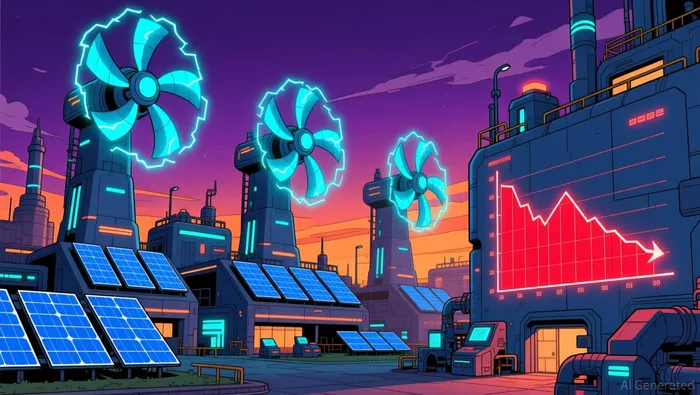
Recent forecasts suggest NextNRG’s revenue could grow 25% annually over the next three years, but such projections remain untested. The stock’s sharp pre-market drop reflects renewed skepticism about whether its high valuation is justified by fundamentals, especially as energy sector dynamics and macroeconomic factors remain volatile.
Investors have also scrutinized NextNRG’s balance sheet, where rising debt levels and inconsistent free cash flow generation have raised questions about long-term operational stability. While the company has pursued aggressive expansion and R&D investments, these expenditures have yet to translate into consistent profitability. This has led to comparisons with other high-growth energy innovators, many of which have seen their valuations contract as well.
Backtesting strategies for NextNRGNXXT-- would need to account for its historical volatility and growth-driven trading patterns. A hypothetical approach might focus on momentum triggers aligned with earnings reports or industry catalysts, while incorporating strict risk management to mitigate rapid drawdowns like the 34% monthly loss observed in recent weeks.

Get the scoop on pre-market movers and shakers in the US stock market.
Latest Articles
Stay ahead of the market.
Get curated U.S. market news, insights and key dates delivered to your inbox.




Comments
No comments yet