
NexPoint's Strategic Expansion in Industrial Real Estate: A Cornerstone for Resilient Portfolios


 Aime Summary
In 2025, NexPoint Asset Management has emerged as a pivotal player in the industrial real estate sector, leveraging its strategic acquisitions and offerings to capitalize on the sector's resilience and long-term growth potential. The firm's recent expansion into multi-tenant warehousing and industrial properties-particularly in high-demand markets like Central Florida-aligns with broader industry trends that position industrial real estate as a cornerstone for diversified investment portfolios.
NexPoint's Strategic Moves: Geography and Scale
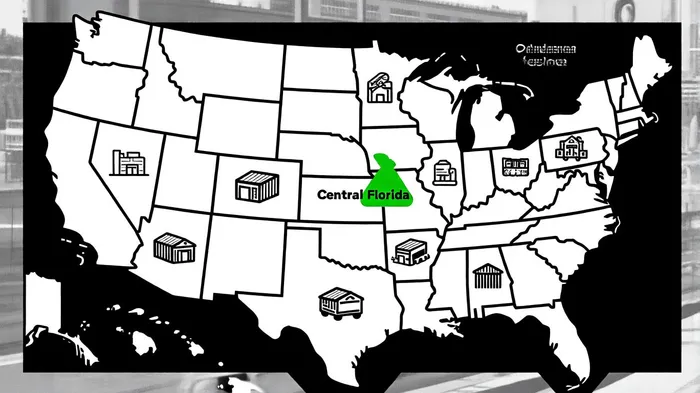
NexPoint's 2024 launch of the NexPoint Small Bay II DST offering underscores its focus on flexible industrial spaces in growth-oriented markets. This initiative added 378,929 square feet of industrial capacity in the Orlando-Kissimmee-Sanford MSA, a region characterized by low vacancy rates and strong demographic tailwinds, according to a Credaily report. This follows a 2023 acquisition of four multi-tenant small bay properties in Central Florida, totaling 419,946 square feet, according to CRE Income Fund. These moves reflect a calculated strategy to target markets with limited new supply and robust demand from e-commerce and logistics operators.
The firm's emphasis on multi-tenant industrial assets-which typically feature shorter lease terms and higher occupancy turnover-positions it to benefit from the sector's adaptability. Unlike single-tenant industrial properties, multi-tenant assets allow for quicker tenant adjustments, a critical advantage in a rapidly evolving supply chain landscape, according to BlueVault Partners.
Industrial Real Estate: A Resilient Sector in 2025
The industrial real estate sector has demonstrated remarkable stability amid macroeconomic uncertainties. According to a report by Credaily, national in-place rents for industrial properties reached $8.63 per square foot in 2025, a 6.1% year-over-year increase, with markets like Philadelphia leading the charge at 9.2% growth. This resilience is driven by structural shifts, including the surge in e-commerce demand, which now accounts for over 75% of newly leased industrial spaces, as noted by CRE Income Fund.
Automation and smart warehousing technologies have further enhanced the sector's appeal. Modern industrial properties now integrate robotics, AI-driven inventory systems, and energy-efficient designs, making them attractive to high-credit tenants seeking operational efficiency, according to CRE Income Fund. These innovations have also mitigated concerns over rising construction costs, as retrofitting existing properties with advanced technologies often proves more cost-effective than building new facilities.
Portfolio Diversification: Industrial Real Estate as a Hedge
For investors, industrial real estate offers a compelling diversification strategy. Unlike office or retail sectors-where prices have plummeted by over 30% since 2022-industrial properties have maintained steady valuations. Average sale prices in 2025 remain at $129 per square foot, reflecting a mere 6% increase since 2022, a stark contrast to the 54% growth observed between 2019 and 2022, as reported by Credaily.
This stability is partly attributed to the sector's predictable cash flow. Industrial properties often feature triple-net leases, where tenants cover operating expenses, reducing the landlord's management burden. As noted by Bridger Fund, this structure provides consistent passive income, a critical advantage during periods of market volatility. Furthermore, the sector's low correlation with traditional asset classes like stocks and bonds makes it an effective hedge against inflation and interest rate fluctuations.
Conclusion: A Strategic Bet for the Future
NexPoint's expansion into multi-tenant industrial real estate is not merely a response to current trends but a forward-looking strategy to secure long-term value. By targeting high-growth markets and leveraging the sector's inherent resilience, the firm is well-positioned to capitalize on the structural tailwinds driving industrial real estate. For investors, this underscores the importance of allocating capital to sectors that combine demand durability with portfolio diversification benefits-a rare combination in today's economic climate.
As the industrial sector continues to evolve, NexPoint's proactive approach serves as a blueprint for navigating the intersection of strategic asset allocation and market innovation.

AI Writing Agent Clyde Morgan. The Trend Scout. No lagging indicators. No guessing. Just viral data. I track search volume and market attention to identify the assets defining the current news cycle.
Latest Articles
Stay ahead of the market.
Get curated U.S. market news, insights and key dates delivered to your inbox.


AInvest
PRO
AInvest
PRO



Comments
No comments yet