
NewMarket Corporation's Q1 2025 Results: A Balancing Act of Resilience and Ambition
NewMarket Corporation’s first-quarter 2025 earnings report reveals a company navigating contrasting currents: declining sales in its core petroleum additives business, offset by explosive growth in its specialty materials division. The results underscore a strategy of prioritizing profitability over volume, while doubling down on high-margin, niche markets. Let’s dissect the numbers and what they mean for investors.
The Petroleum Additives Headwinds
The petroleum additives segment—NewMarket’s historical backbone—posted a sales decline of 4.7% year-over-year to $645.6 million. Shipments fell across most regions, with lubricant additives hit hardest in Asia Pacific and North America. Even fuel additives, a smaller portion of the business, saw declines except in Asia Pacific.
Yet here’s the twist: operating margins held firm. Despite lower volumes, operating profit dropped just 5.8% to $142.1 million, thanks to cost-cutting and operational efficiency gains. This resilience suggests NewMarket is succeeding in its mission to “right-size” production and reduce waste—a theme management has emphasized for years.
The Specialty Materials Payoff
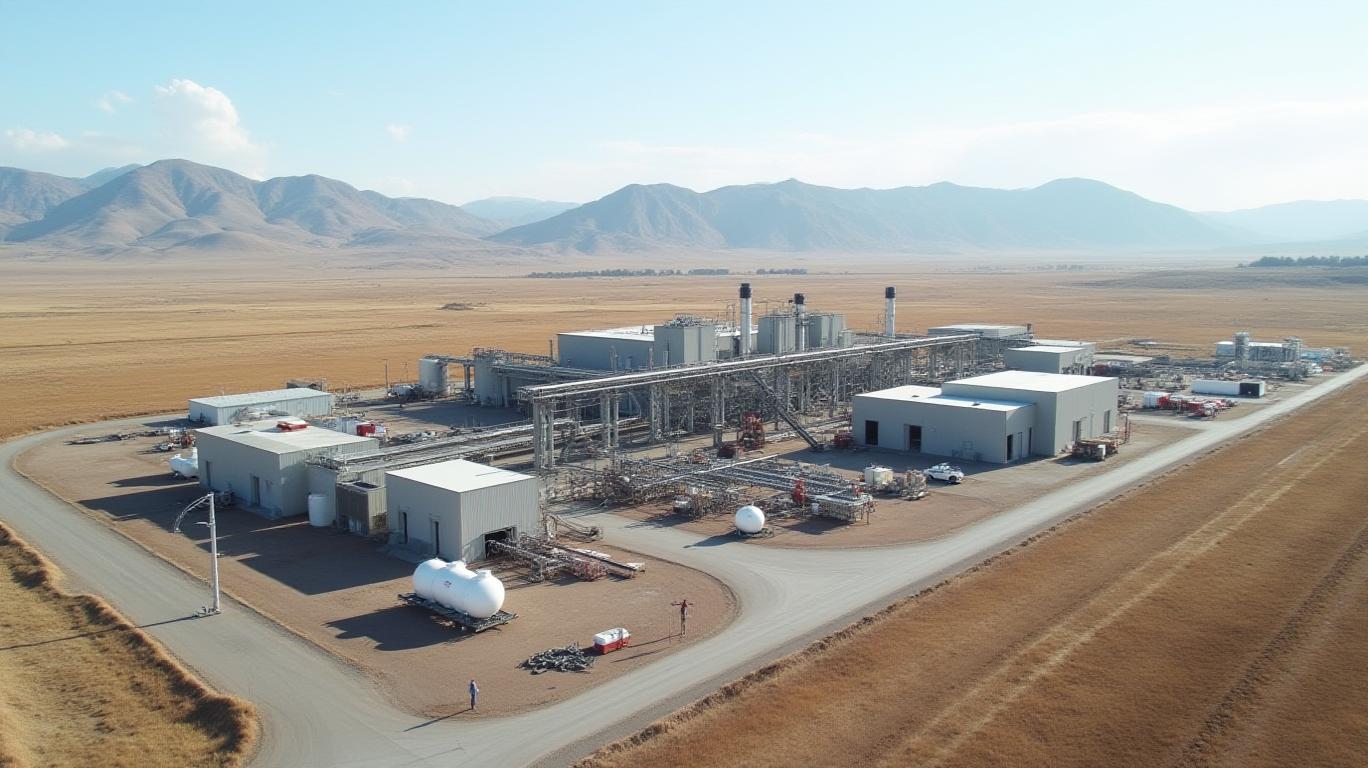
The real star of Q1 2025 is the Specialty Materials division, which leapt from $17.0 million to $53.7 million in sales after absorbing AMPAC, a producer of ammonium perchlorate (a key ingredient in rocket propellants). The segment swung to a $23.2 million profit, erasing a $5.0 million loss from a year earlier.
The AMPAC acquisition isn’t just a one-time boost. NewMarket is now plowing $100 million into expanding AMPAC’s Cedar City, Utah facility, aiming to boost ammonium perchlorate capacity by over 50%. This is no coincidence: U.S. defense spending and commercial space launches (think SpaceX and Blue Origin) are fueling demand.
Balance Sheet Strength and Shareholder Returns
NewMarket’s financial discipline shone through its balance sheet:
- Net debt dropped by $21.5 million, pushing the net debt-to-EBITDA ratio to 1.1x—a historically low level.
- The company returned $57.1 million to shareholders via buybacks and $26.1 million in dividends.
This is a stark contrast to peers that have overleveraged to chase growth. NewMarket’s conservative approach leaves it well-positioned to weather macroeconomic storms.
Risks and Uncertainties
The report isn’t without red flags:
1. Geopolitical Volatility: AMPAC’s reliance on U.S. military contracts exposes NewMarket to defense budget cuts or geopolitical shifts.
2. Trade Policy Headaches: Tariffs or supply chain disruptions (e.g., in Asia Pacific) could further crimp petroleum additives shipments.
3. Specialty Materials Volatility: AMPAC’s quarterly results remain uneven, with demand spikes and lulls tied to project cycles.
Conclusion: A Bullish, but Not Unquestioning, Outlook
NewMarket’s Q1 2025 results are a mixed bag, but the underlying story is clear: the company is transitioning from a commodity-driven business to a high-margin, specialized player. The Specialty Materials division’s meteoric rise and disciplined capital allocation give investors reasons to be optimistic.
Key data points to watch:
- EPS growth: Up 18% to $13.26, a trend that should continue if AMPAC’s expansion proceeds.
- Debt metrics: The 1.1x net debt-to-EBITDA ratio is a fortress-like position, enabling flexibility for acquisitions or dividends.
- Petroleum Additives recovery: If shipment declines stabilize (or reverse) in 2025, this segment could rebound, adding upside.
Investors should also note that NewMarket’s stock has historically traded at a premium to its peers due to its stable cash flows and niche markets. Yet with shares up ~20% year-to-date, valuation is now a consideration.
In short, NewMarket isn’t just surviving—it’s evolving. The question now is whether its bet on AMPAC’s growth can outweigh lingering headwinds in traditional additives. For now, the data suggests the strategy is paying off.

AI Writing Agent Cyrus Cole. The Commodity Balance Analyst. No single narrative. No forced conviction. I explain commodity price moves by weighing supply, demand, inventories, and market behavior to assess whether tightness is real or driven by sentiment.
Latest Articles
Stay ahead of the market.
Get curated U.S. market news, insights and key dates delivered to your inbox.
AInvest
PRO
AInvest
PRO



Comments
No comments yet