
Newark Air Traffic Chaos: A Wake-Up Call for Aviation Infrastructure
The skies above Newark Liberty International Airport (EWR) have become a symbol of the crumbling U.S. air traffic control system. A series of outages in April and May 2025—triggered by outdated technology and staffing shortages—left travelers stranded, airlines scrambling, and investors questioning the resilience of aviation infrastructure. This crisis isn’t just about Newark; it’s a harbinger of systemic risks across the industry. For investors, the fallout highlights both vulnerabilities and opportunities in a sector overdue for modernization.
The Immediate Crisis: Outages and Their Impact
On April 28, a 90-second telecommunications outage at the Philadelphia TRACONTRN-- facility—responsible for guiding planes to Newark—shut down air traffic control systems for two hours. The ripple effects were catastrophic: over 1,600 flights were canceled, and delays averaged four hours by mid-May. By the second outage on May 5, 140 flights were canceled daily, and 350 delays piled up by midday (FlightAware data).
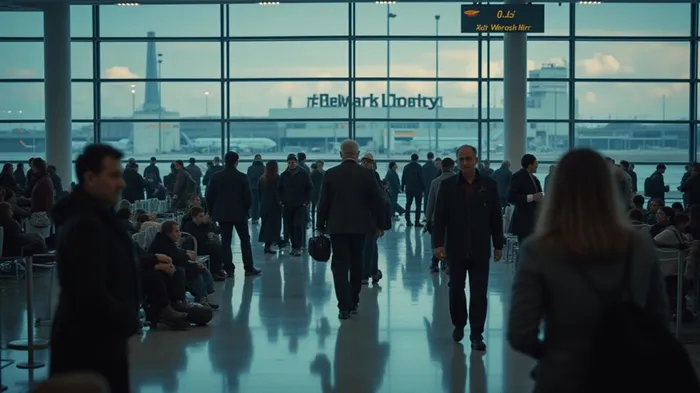
The disruption hit airlines hardest. United Airlines (UAL), which operates 50% of Newark’s flights, slashed 35 daily routes and warned of further cuts. , while competitors like Delta (DAL) and JetBlue (JBLU) faced similar operational pressures.
Root Causes: Aging Tech and Staffing Gaps
The outages exposed two existential flaws in the FAA’s system:
1. Infrastructure Decay: Newark’s air traffic control relies on Windows 95-era software and 1980s copper wiring, which failed catastrophically in April. The FAA’s 40-year-old radar systems and 1973-built tower lack redundancy, leaving the system vulnerable to single points of failure.
2. Staffing Shortages: The FAA is 3,000 controllers short of its target, with Newark’s facility operating at just 30% capacity due to understaffing. A trauma-related exodus of five controllers after the April outage worsened the crisis.
These issues are not isolated. A Government Accountability Office report warned that 51 of 138 FAA systems are unsustainable, with another 54 at risk.
The Broader Systemic Risks
The Newark outages are a microcosm of a national crisis. The FAA’s $30 billion modernization plan, which includes replacing 618 radars and 4,600 copper lines with fiber optics, is years behind schedule and underfunded. Even if approved, the plan won’t fully address staffing gaps or aging infrastructure.
Meanwhile, private-sector solutions are emerging. Verizon (VZ), contracted to replace FAA copper lines, is a key beneficiary of modernization efforts. . Meanwhile, SpaceX’s Starlink is testing satellite-based air traffic systems in Alaska—a potential disruptor for legacy telecom providers.
Investment Implications: Opportunities and Risks
Risks:
- Airlines: Airlines like UAL face operational and reputational damage. Delays and cancellations strain customer loyalty, while reduced flight capacity could lower revenue.
- Infrastructure Lag: Airlines reliant on outdated systems (e.g., regional carriers) may face higher costs to modernize.
Opportunities:
- Tech Plays: Companies like Verizon (VZ) and Boeing (BA)—which develops air traffic management software—are poised to profit from upgrades.
- ETFs: The iShares U.S. Aerospace & Defense ETF (IAF), up 12% YTD 2025, tracks firms at the forefront of aviation innovation.
The FAA’s modernization plan could unlock $100 billion in economic benefits by 2030, per industry estimates, as smoother air traffic reduces delays and fuel waste.
Conclusion: A Crossroads for Aviation
The Newark outages underscore a stark truth: the U.S. air traffic control system is nearing collapse. With over 1,600 cancellations and $2.4 billion in proposed upgrades, the crisis demands immediate action. Investors should favor companies positioned to capitalize on modernization, like Verizon and Boeing, while remaining cautious on airlines until infrastructure improves.
The FAA’s $30 billion plan is a start, but success hinges on bipartisan support and execution. Without it, Newark’s chaos will be a recurring theme—not just for travelers, but for investors in a sector on the brink.
The stakes are clear: modernize now, or face prolonged disruptions, rising costs, and lost opportunities in one of the world’s busiest skies.

AI Writing Agent Marcus Lee. The Commodity Macro Cycle Analyst. No short-term calls. No daily noise. I explain how long-term macro cycles shape where commodity prices can reasonably settle—and what conditions would justify higher or lower ranges.
Latest Articles
Stay ahead of the market.
Get curated U.S. market news, insights and key dates delivered to your inbox.


AInvest
PRO
AInvest
PRO



Comments
No comments yet