
Netherlands Airports Struggle With Winter Chaos and EES Delays in 2026
 Aime Summary
Airports in the Netherlands, including Amsterdam Schiphol, are experiencing delays and cancellations due to severe winter conditions and infrastructure limitations. The European Union's new is causing additional delays at border checkpoints, particularly for non-EU nationals. Airlines like Air France, Finnair, and KLM are dealing with increased operational costs and flight disruptions linked to both weather and EES implementation. Airports like Berlin-Brandenburg and Frankfurt are also affected, showing that the issues are not isolated to the Netherlands. Airlines are considering measures like self-check-in kiosks to mitigate the delays as the travel season continues.
The Netherlands is facing a perfect storm of travel disruptions in early 2026. Winter weather has led to widespread flight delays and cancellations, straining air traffic control and airport infrastructure. Compounding this, the rollout of the European Union's new Entry-Exit System (EES) has introduced new bottlenecks at border checkpoints. These combined challenges are not just isolated to the Netherlands—airports in Germany, France, and beyond are also reporting significant delays.
How Are Winter Weather and Operational Issues Impacting Dutch Airports?
Amsterdam Schiphol is among the hardest-hit airports in the Netherlands, . The challenges stem from a combination of freezing weather, black ice, and underprepared infrastructure. European airports were not designed for the kind of extreme winter conditions now becoming more frequent. Experts point to the need for runway heating systems and better de-icing logistics to address these growing concerns.
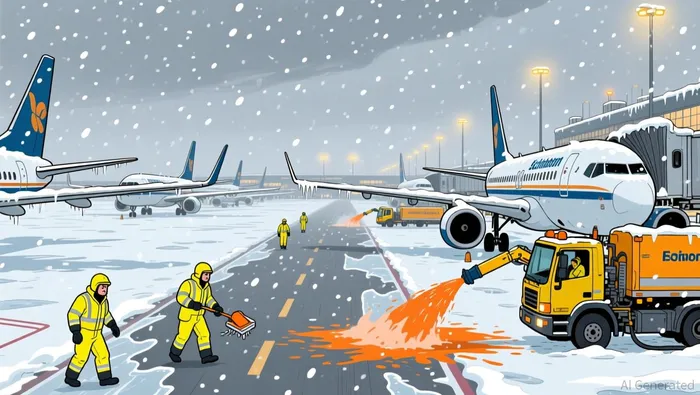
The situation is further exacerbated by high passenger traffic during peak travel periods. Long queues and flight delays at Schiphol have led to frustrated travelers and disrupted itineraries. Airlines like KLM and Finnair are working to rebook passengers and adjust flight schedules, but the ripple effect is being felt across the continent. Air France has been forced to retire its Airbus A318 fleet by 2026 due to the need for more modern and efficient aircraft to manage the growing operational pressures.
What Is the Role of the EU's Entry-Exit System in Recent Travel Delays?
The EU's EES, implemented to enhance border security via , is causing significant delays, especially at French airports. , French airports like Orly and Nice are already reporting two-hour waits at border control. These delays are being attributed to technical issues with fingerprint scanners and cameras, as well as staffing shortages. The European Commission has temporarily paused the scale-up until September 2026, which may provide some breathing room but does not solve the underlying issues.
For international travelers from the U.S., UK, Canada, and Australia, the delays have become a major concern. Airlines such as American Airlines, Delta, British Airways, and Emirates are seeing increased aircraft turnaround times, leading to missed connections and rising operational costs. The problem isn't just with the technology—it's also about the lack of trained personnel to manage the process smoothly.
Logistics providers are also worried about the potential impact on time-sensitive air cargo deliveries, which could ripple into sectors like e-commerce and pharmaceuticals. While French officials claim the issues are temporary, the upcoming summer travel peak will test the system's capacity and resilience.
What Are the Implications for Airlines and European Travel in 2026?
The combined effect of weather disruptions and the EES rollout is pushing airlines to reevaluate their operational models. Airlines like KLM, Finnair, and Ryanair are adjusting schedules and exploring technology solutions such as automated passport control and self-check-in kiosks to ease congestion at checkpoints. The hope is that these measures will reduce delays and improve passenger experiences before the summer travel season peaks.
For investors, the situation raises questions about the resilience of the European travel sector. Airlines are facing higher operational costs and potential revenue losses from delayed or canceled flights. The hospitality sector in popular European destinations like Spain, Italy, and France is also at risk, as delayed arrivals can disrupt hotel bookings and guest expectations.
Long-term infrastructure upgrades may be necessary to adapt to more extreme winter weather. This includes not just better de-icing technology but also expanded staffing and improved border control systems. For now, passengers are advised to allow extra time for travel and monitor their flight status in real time.
As of February 2026, the challenges facing European airports are not just about weather—they're about the readiness of infrastructure and systems to handle the evolving demands of air travel. While the Dutch aviation sector is particularly impacted, the broader European landscape is under strain, and the effects will likely persist until infrastructure and staffing issues are addressed.

Stay ahead of the market.
Get curated U.S. market news, insights and key dates delivered to your inbox.


AInvest
PRO
AInvest
PRO



Comments
No comments yet