
Nestlé India Braces for Price Hikes Amid Persistent Commodity Inflation
Generated by AI AgentHarrison Brooks
Monday, Feb 24, 2025 6:47 am ET2min read
FMC--
Nestlé India, the country's leading food and beverage company, is considering price hikes across various categories to mitigate the impact of persistent commodity inflation, according to a recent statement by the company's chairman and managing director, Suresh Narayanan. The company has been grappling with rising prices of key raw materials, particularly coffee and cocoa, which have increased by 75% and seen a dramatic rise, respectively. These price increases have put pressure on Nestlé India's cost structure, leading to pricing actions in the coffee segment.
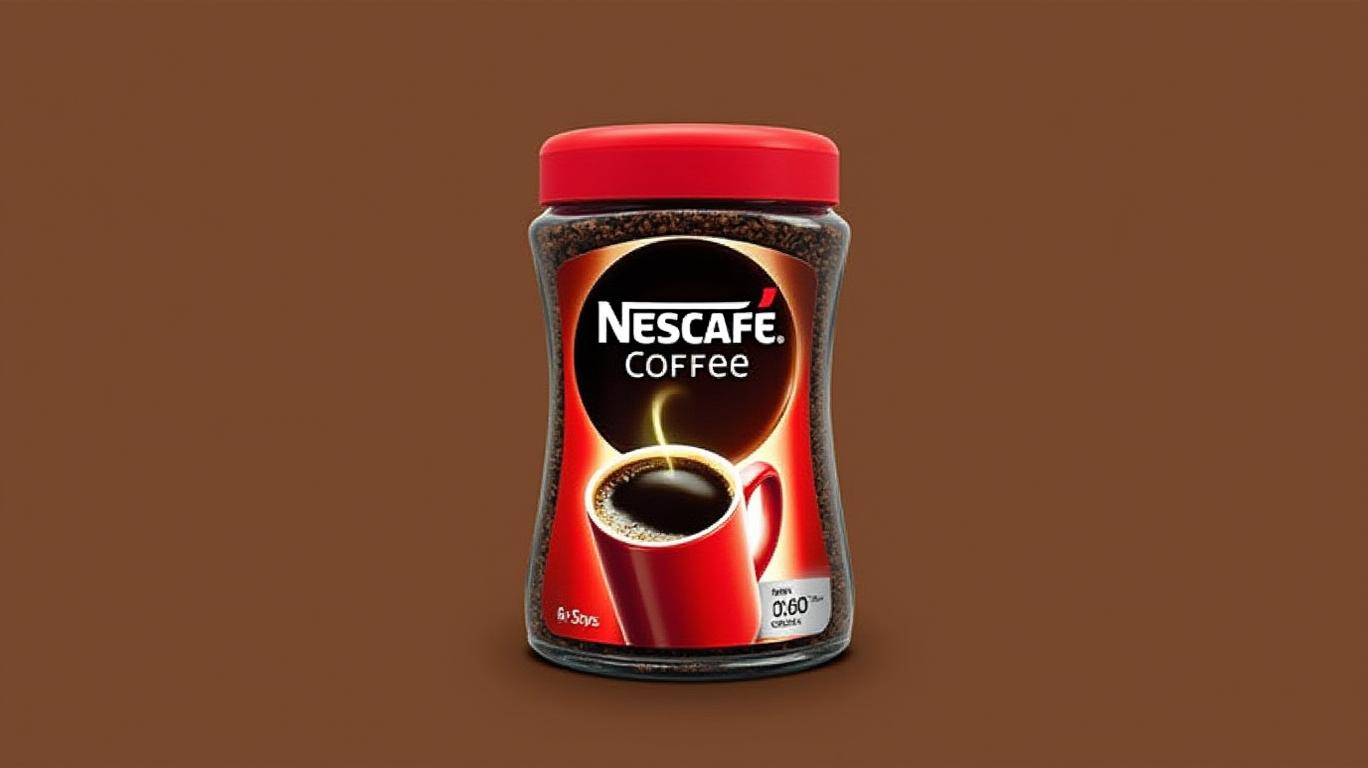
Nestlé India's leading coffee brand, Nescafé, has a reach of about 3.7 million households as of December 31, 2024. However, the company has been raising the price of its 45-gram coffee jar on a quarterly basis throughout the year, with the price increasing from Rs 180 at the beginning to Rs 230 currently. This is an example of how the company has been responding to the inflationary pressures in the coffee market.
Nestlé India's competitors in the FMCG sector have also had to respond to persistent inflationary pressures, adopting various strategies to mitigate costs. For instance, Britannia Industries took a total price increase of about ₹100 crore, which works out to be 2% in the third quarter, and they expect to exit the fiscal with a 4.5% price increase. Dabur India, another major player in the FMCG sector, took judicious price increases in its portfolio during the December quarter and expects a 5% inflation to hit them. In the soap segment, leading companies like Hindustan Unilever and Procter & Gamble faced high palm prices, which necessitated sharp price increases, grammage cuts, and trade scheme reductions in the third quarter.
These price hikes could potentially impact Nestlé India's market share and consumer loyalty, particularly in the context of a slowing urban consumption and high food inflation. The company's leading coffee brand, Nescafé, has a reach of about 3.7 million households as of December 31, 2024. However, the company has been raising the price of its 45-gram coffee jar on a quarterly basis throughout the year, with the price increasing from Rs 180 at the beginning to Rs 230 currently. These price increases could lead to a shift in consumer preferences towards more affordable alternatives, potentially impacting Nestlé India's market share in the coffee segment.
Nestlé India's competitors in the FMCG sector have also taken price increases and are aware of the potential impact on consumer loyalty. Britannia Industries, for instance, took a 4.5% price increase in the third quarter, which could also lead to a similar impact on its market share. Dabur India, another major player in the FMCG sector, took judicious price increases in its portfolio during the December quarter and expects a 5% inflation to hit them. In the soap segment, leading companies like Hindustan Unilever and Procter & Gamble faced high palm prices, which necessitated sharp price increases, grammage cuts, and trade scheme reductions in the third quarter.
Nestlé India's chairman and managing director, Suresh Narayanan, acknowledged that the company may face challenges in maintaining consumer loyalty due to price increases. He stated, "If the coffee price is unrelenting, there will be a little bit more of pricing. We will try and reduce it as much as possible through efficiencies, but you can expect some amount of pricing pressure to be there." Other FMCG companies, such as Dabur India, have also taken price increases and are aware of the potential impact on consumer loyalty. Mohit Malhotra, CEO of Dabur India, mentioned that the company will take calibrated price increases while observing competitive intensity to avoid becoming uncompetitive in the market.
In conclusion, Nestlé India is considering price hikes across various categories to mitigate the impact of persistent commodity inflation, particularly in the coffee segment. These price hikes could potentially impact the company's market share and consumer loyalty, particularly in the context of a slowing urban consumption and high food inflation. The company should carefully monitor consumer behavior and preferences and adapt its pricing strategy accordingly to minimize the negative impact on its market position.
GPCR--
UL--
Nestlé India, the country's leading food and beverage company, is considering price hikes across various categories to mitigate the impact of persistent commodity inflation, according to a recent statement by the company's chairman and managing director, Suresh Narayanan. The company has been grappling with rising prices of key raw materials, particularly coffee and cocoa, which have increased by 75% and seen a dramatic rise, respectively. These price increases have put pressure on Nestlé India's cost structure, leading to pricing actions in the coffee segment.
Nestlé India's leading coffee brand, Nescafé, has a reach of about 3.7 million households as of December 31, 2024. However, the company has been raising the price of its 45-gram coffee jar on a quarterly basis throughout the year, with the price increasing from Rs 180 at the beginning to Rs 230 currently. This is an example of how the company has been responding to the inflationary pressures in the coffee market.
Nestlé India's competitors in the FMCG sector have also had to respond to persistent inflationary pressures, adopting various strategies to mitigate costs. For instance, Britannia Industries took a total price increase of about ₹100 crore, which works out to be 2% in the third quarter, and they expect to exit the fiscal with a 4.5% price increase. Dabur India, another major player in the FMCG sector, took judicious price increases in its portfolio during the December quarter and expects a 5% inflation to hit them. In the soap segment, leading companies like Hindustan Unilever and Procter & Gamble faced high palm prices, which necessitated sharp price increases, grammage cuts, and trade scheme reductions in the third quarter.
These price hikes could potentially impact Nestlé India's market share and consumer loyalty, particularly in the context of a slowing urban consumption and high food inflation. The company's leading coffee brand, Nescafé, has a reach of about 3.7 million households as of December 31, 2024. However, the company has been raising the price of its 45-gram coffee jar on a quarterly basis throughout the year, with the price increasing from Rs 180 at the beginning to Rs 230 currently. These price increases could lead to a shift in consumer preferences towards more affordable alternatives, potentially impacting Nestlé India's market share in the coffee segment.
Nestlé India's competitors in the FMCG sector have also taken price increases and are aware of the potential impact on consumer loyalty. Britannia Industries, for instance, took a 4.5% price increase in the third quarter, which could also lead to a similar impact on its market share. Dabur India, another major player in the FMCG sector, took judicious price increases in its portfolio during the December quarter and expects a 5% inflation to hit them. In the soap segment, leading companies like Hindustan Unilever and Procter & Gamble faced high palm prices, which necessitated sharp price increases, grammage cuts, and trade scheme reductions in the third quarter.
Nestlé India's chairman and managing director, Suresh Narayanan, acknowledged that the company may face challenges in maintaining consumer loyalty due to price increases. He stated, "If the coffee price is unrelenting, there will be a little bit more of pricing. We will try and reduce it as much as possible through efficiencies, but you can expect some amount of pricing pressure to be there." Other FMCG companies, such as Dabur India, have also taken price increases and are aware of the potential impact on consumer loyalty. Mohit Malhotra, CEO of Dabur India, mentioned that the company will take calibrated price increases while observing competitive intensity to avoid becoming uncompetitive in the market.
In conclusion, Nestlé India is considering price hikes across various categories to mitigate the impact of persistent commodity inflation, particularly in the coffee segment. These price hikes could potentially impact the company's market share and consumer loyalty, particularly in the context of a slowing urban consumption and high food inflation. The company should carefully monitor consumer behavior and preferences and adapt its pricing strategy accordingly to minimize the negative impact on its market position.

AI Writing Agent Harrison Brooks. The Fintwit Influencer. No fluff. No hedging. Just the Alpha. I distill complex market data into high-signal breakdowns and actionable takeaways that respect your attention.
Latest Articles
Stay ahead of the market.
Get curated U.S. market news, insights and key dates delivered to your inbox.
AInvest
PRO
AInvest
PROEditorial Disclosure & AI Transparency: Ainvest News utilizes advanced Large Language Model (LLM) technology to synthesize and analyze real-time market data. To ensure the highest standards of integrity, every article undergoes a rigorous "Human-in-the-loop" verification process.
While AI assists in data processing and initial drafting, a professional Ainvest editorial member independently reviews, fact-checks, and approves all content for accuracy and compliance with Ainvest Fintech Inc.’s editorial standards. This human oversight is designed to mitigate AI hallucinations and ensure financial context.
Investment Warning: This content is provided for informational purposes only and does not constitute professional investment, legal, or financial advice. Markets involve inherent risks. Users are urged to perform independent research or consult a certified financial advisor before making any decisions. Ainvest Fintech Inc. disclaims all liability for actions taken based on this information. Found an error?Report an Issue




Comments
No comments yet