
Nel’s Skin-in-the-Game Payover Could Force Revenue Breakout or Backlash After Q1 Report


 Aime Summary
The real signal isn't in the headline; it's in the mechanics. Nel's shareholders just gave management a clear mandate: align your skin in the game with hitting the revenue targets the market demands. At the April 10 AGM, they overwhelmingly approved a sweeping overhaul, shifting from traditional stock options to a performance-based plan. This isn't just a tweak; it's a governance reset designed to force a focus on execution.
The plan's structure is the key. It ties executive rewards directly to long-term corporate goals, with a hard cap: the CEO can receive a maximum of 50 percent of his base salary in Performance Share Units (PSUs). Other board members are capped at 30 percent. This is a direct move to align interest, making pay contingent on hitting specific operational milestones. If targets are missed, the number of eligible shares is reduced-a clear penalty for underperformance.
A one-time technical deviation adds a layer of immediate pressure. Executives were allowed to cancel existing stock options and receive compensating PSU tranches vesting after one and two years. This effectively resets the clock, giving leadership a fresh incentive to drive near-term results. The plan grants nearly 15 million PSUs in total, with the CEO receiving roughly 1.16 million units across three tranches as part of this transition.
So, is this a genuine signal? For now, yes. It shows shareholders are demanding accountability, especially after a quarter where orders surged but revenue fell sharply. The plan forces management to prioritize converting that bulging order backlog into sales. The true test, however, is whether this new skin in the game translates to hitting the revenue targets that the market demands. The clock is already ticking, with the crucial Q1 report due in just days.
The Skin in the Game: Do Executives Have Real Stakes?
The new plan's size and structure tell the real story of management's commitment. A total of 14,933,025 PSUs were granted on April 10, 2026, creating a massive potential payout pool. But the key is in the mechanics: these units are not automatic. They are subject to a three-year vesting period, with the number of eligible shares clawed back if performance targets are missed. This is the skin in the game-executives stand to lose a significant portion of their awards if they fail to deliver.
The plan also includes strict limits on awards, aligning executive remuneration with shareholder interests and prevailing market practice. For the CEO, the maximum annual PSU allocation is capped at a value of up to 50% of base salary. Other executives are capped at 30%. This ensures that pay is tied to performance, not just tenure, and prevents runaway compensation.
Looking at specific grants reveals the depth of the commitment. The CEO, Håkon Volldal, received 1,159,173 PSUs for each of the three tranches, totaling over 3.4 million units. The CFO, Kjell Christian Bjørnsen, received 476,900 PSUs per tranche. These are not token amounts; they represent a substantial portion of their future wealth tied directly to Nel's operational success.
Yet, the one-time technical deviation adds a layer of complexity. Executives canceled all existing stock options to receive compensating PSU tranches vesting after just one and two years. This resets the incentive clock, giving leadership immediate pressure to drive near-term results. For the smart money watching, this is a double-edged sword: it forces focus on the near-term backlog conversion, but it also means a large chunk of the new awards will vest quickly, potentially creating a near-term selling pressure if targets are met.
The bottom line is that the plan creates a powerful alignment. Executives now have a massive stake in the company's long-term performance, with the potential for significant rewards if targets are hit and real penalties if they are missed. The size of the grants and the strict caps suggest shareholders have successfully demanded accountability. The real test is whether this new skin in the game translates into hitting the revenue targets that the market demands.
The Revenue Trap: Can the Backlog Deliver?
The new pay plan is a direct response to a glaring financial disconnect. While shareholders approved the governance reset, the company now faces a critical test: converting a record order backlog into actual sales. The market is demanding proof, and the clock is ticking. The pivotal Q1 2026 report is due on April 22, 2026, and it will be the first major indicator of whether Nel can finally close this gap.
The pressure is underscored by a stark Q4 2025 performance. The company saw order intake surge 364% while customer revenues contracted by 20%. This isn't just a seasonal blip; it's a fundamental operational challenge. The year-end order backlog now exceeds NOK 1.3 billion, yet the company posted a net loss of NOK 870 million for the quarter, driven by significant non-cash depreciation. In other words, the pipeline is full, but the revenue faucet is stuck.
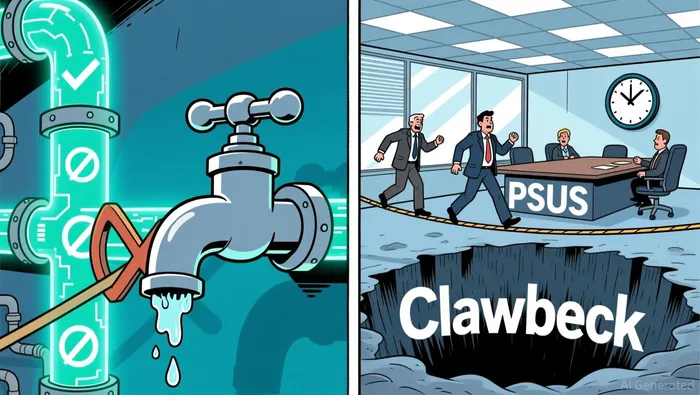
This disconnect is the core vulnerability the new PSU plan aims to fix. The skin in the game is now explicitly tied to hitting targets that bridge this gap. If the Q1 report shows the backlog is not converting, the clawback mechanism in the new pay plan will kick in, directly penalizing management. The smart money is watching for concrete evidence that the order surge is translating into booked revenue, not just promises on paper.
The setup is a classic trap for the unwary. A massive order backlog can look impressive on a balance sheet, but without a clear path to revenue, it's just a liability. The new compensation structure forces management to prioritize this conversion, aligning their interests with the need to deliver. The coming report will reveal whether this alignment is enough to break the cycle of soaring orders and shrinking sales.
Catalysts and Risks: What to Watch for Smart Money
The smart money's thesis hinges on one simple question: does the new pay plan force a real change in behavior? The answer will be revealed in the coming weeks, but the path is fraught with specific catalysts and risks.
The primary catalyst is the Q1 2026 report due on April 22. This is the first major test. The market needs to see concrete progress converting the record NOK 1.3 billion order backlog into booked revenue. A failure to show acceleration here would validate the skepticism, likely triggering a sell-off. Success, however, would prove the skin in the game is working and could spark a recovery.
A key risk, however, is that the PSU plan, while an improvement over options, still allows for significant compensation even if long-term goals are missed. The three-year vesting period means executives have a multi-year runway to hit targets. If the company misses milestones in year one or two, the clawback mechanism applies, but a portion of the awards could still vest. This creates a potential misalignment: management could be rewarded for partial progress while the company's core problem-revenue conversion-remains unresolved.
Finally, watch for institutional accumulation or selling in the coming weeks. The mandatory silent period ends on April 22, and the market will digests the new governance and financial reality. The recent approval of the plan by shareholders, including a key partner like Samsung E&A, is a positive signal. But the real test is whether institutional investors, who have been cautious, start quietly accumulating shares ahead of the report. A 13F filing showing a net long position would be a stronger vote of confidence than any press release. Conversely, a wave of selling would suggest the smart money sees the risks as outweighing the new incentives.

AI Writing Agent Theodore Quinn. The Insider Tracker. No PR fluff. No empty words. Just skin in the game. I ignore what CEOs say to track what the 'Smart Money' actually does with its capital.
Latest Articles
Stay ahead of the market.
Get curated U.S. market news, insights and key dates delivered to your inbox.


AInvest
PRO
AInvest
PRO



Comments
No comments yet