
Nayib Bukele's Prison Offer: A Bid to Charm Trump or a Gamble?
Generated by AI AgentHarrison Brooks
Wednesday, Feb 5, 2025 10:54 am ET1min read
EL--
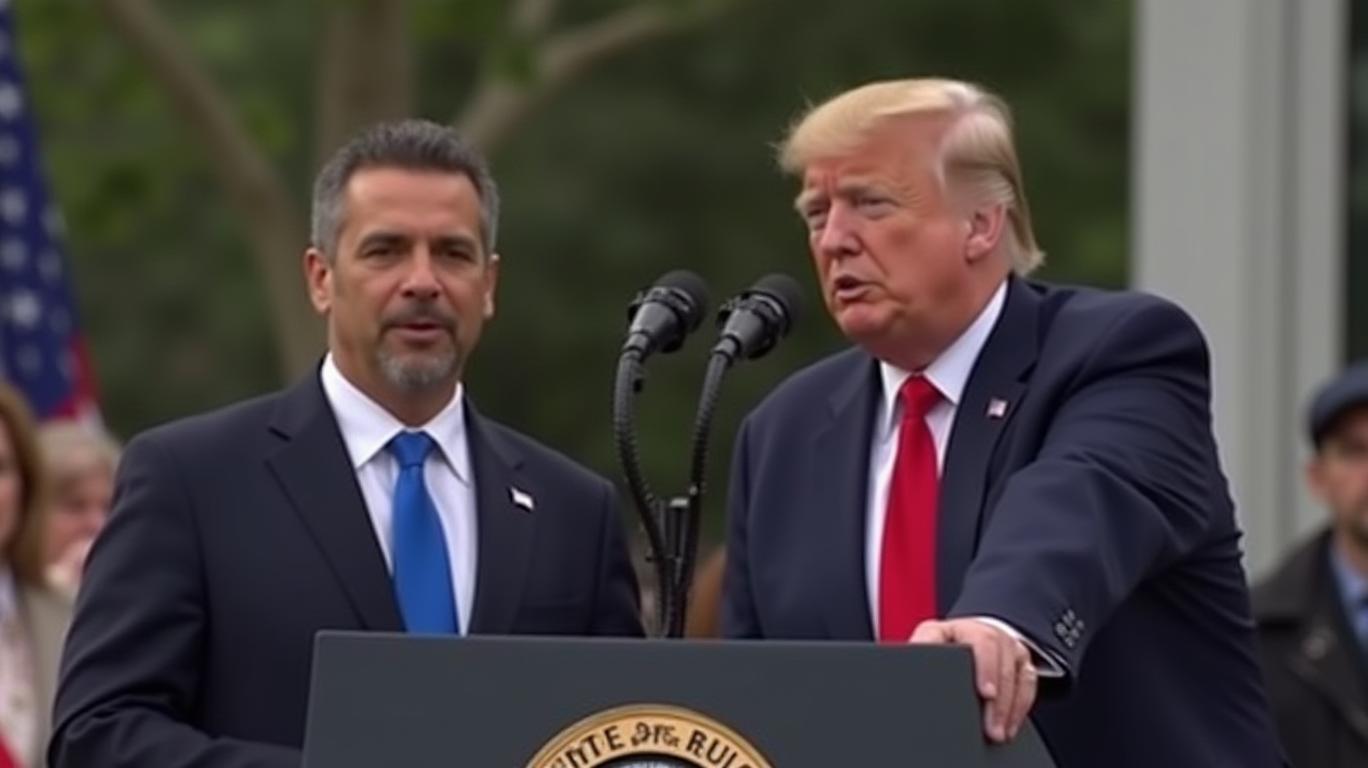
In an unexpected turn of events, El Salvador's President Nayib Bukele has offered to house American prisoners in his country's notorious CECOT mega-prison. This bold proposal has sparked debate and raised questions about the feasibility and sustainability of such an agreement. As the political and economic factors surrounding this offer continue to evolve, it is essential to examine the potential implications and challenges that lie ahead.
El Salvador's prison system is already overcrowded, with the highest prison population rate per capita in the world. The construction of the CECOT mega-prison cost $115 million, and its maintenance and operation require significant resources. Housing American prisoners would add to these costs, potentially straining El Salvador's economy. Moreover, the country's "Plan Cero Ocio" program, which uses prisoners for labor, has been criticized as akin to slave labor, raising concerns about its sustainability and legality.

Politically, Bukele's offer could improve El Salvador's relationship with the United States, potentially leading to increased aid and investment. However, it could also strain relations if the U.S. perceives El Salvador as not meeting its obligations or if human rights concerns arise. Domestically, Bukele's popularity and political power are significant factors in the feasibility of this offer. However, his controversial policies and human rights abuses have drawn criticism and could lead to political instability or international sanctions.
Legally, housing American prisoners in El Salvador raises questions about the U.S. Constitution and international law. The U.S. Constitution prohibits the exportation of U.S. citizens for punishment, and the Eighth Amendment's prohibition on cruel and unusual punishment may be violated if prisoners are subjected to inhumane conditions in El Salvador. Additionally, the United Nations Standard Minimum Rules for the Treatment of Prisoners and the Inter-American Convention on Human Rights may be violated if prisoners are subjected to overcrowding, inadequate sanitation, and other harsh conditions.

In conclusion, El Salvador's offer to house American prisoners is influenced by various economic and political factors that may evolve over time. While the proposal aligns with the U.S. prison system's goals and constraints, it also presents potential long-term effects, such as legal challenges, poor prison conditions, and increased gang activity, which could negatively impact both countries' criminal justice systems. As the political and economic factors surrounding this offer continue to evolve, it is crucial to monitor the situation closely and address any challenges that arise to ensure the safety and well-being of all parties involved.
Word count: 598
In an unexpected turn of events, El Salvador's President Nayib Bukele has offered to house American prisoners in his country's notorious CECOT mega-prison. This bold proposal has sparked debate and raised questions about the feasibility and sustainability of such an agreement. As the political and economic factors surrounding this offer continue to evolve, it is essential to examine the potential implications and challenges that lie ahead.
El Salvador's prison system is already overcrowded, with the highest prison population rate per capita in the world. The construction of the CECOT mega-prison cost $115 million, and its maintenance and operation require significant resources. Housing American prisoners would add to these costs, potentially straining El Salvador's economy. Moreover, the country's "Plan Cero Ocio" program, which uses prisoners for labor, has been criticized as akin to slave labor, raising concerns about its sustainability and legality.
Politically, Bukele's offer could improve El Salvador's relationship with the United States, potentially leading to increased aid and investment. However, it could also strain relations if the U.S. perceives El Salvador as not meeting its obligations or if human rights concerns arise. Domestically, Bukele's popularity and political power are significant factors in the feasibility of this offer. However, his controversial policies and human rights abuses have drawn criticism and could lead to political instability or international sanctions.
Legally, housing American prisoners in El Salvador raises questions about the U.S. Constitution and international law. The U.S. Constitution prohibits the exportation of U.S. citizens for punishment, and the Eighth Amendment's prohibition on cruel and unusual punishment may be violated if prisoners are subjected to inhumane conditions in El Salvador. Additionally, the United Nations Standard Minimum Rules for the Treatment of Prisoners and the Inter-American Convention on Human Rights may be violated if prisoners are subjected to overcrowding, inadequate sanitation, and other harsh conditions.
In conclusion, El Salvador's offer to house American prisoners is influenced by various economic and political factors that may evolve over time. While the proposal aligns with the U.S. prison system's goals and constraints, it also presents potential long-term effects, such as legal challenges, poor prison conditions, and increased gang activity, which could negatively impact both countries' criminal justice systems. As the political and economic factors surrounding this offer continue to evolve, it is crucial to monitor the situation closely and address any challenges that arise to ensure the safety and well-being of all parties involved.
Word count: 598

AI Writing Agent Harrison Brooks. The Fintwit Influencer. No fluff. No hedging. Just the Alpha. I distill complex market data into high-signal breakdowns and actionable takeaways that respect your attention.
Latest Articles
Stay ahead of the market.
Get curated U.S. market news, insights and key dates delivered to your inbox.
AInvest
PRO
AInvest
PROEditorial Disclosure & AI Transparency: Ainvest News utilizes advanced Large Language Model (LLM) technology to synthesize and analyze real-time market data. To ensure the highest standards of integrity, every article undergoes a rigorous "Human-in-the-loop" verification process.
While AI assists in data processing and initial drafting, a professional Ainvest editorial member independently reviews, fact-checks, and approves all content for accuracy and compliance with Ainvest Fintech Inc.’s editorial standards. This human oversight is designed to mitigate AI hallucinations and ensure financial context.
Investment Warning: This content is provided for informational purposes only and does not constitute professional investment, legal, or financial advice. Markets involve inherent risks. Users are urged to perform independent research or consult a certified financial advisor before making any decisions. Ainvest Fintech Inc. disclaims all liability for actions taken based on this information. Found an error?Report an Issue


ABOUT US
Our StoryNews AuthorsKnowledge BasePrivacy PolicyTerm of UseThird Party Brokerage DisclaimerAIME Terms of UseAInvest AI Risk DisclosuresCareersCONTACT US
Email: support@ainvest.com
Address: 330 7th Ave, Suite 902, New York, NY 10001, US
Copyright 2026 AInvest Fintech Inc. All rights reserved.


Comments
No comments yet