
Navigating Yield Volatility and Inflation: A Tactical Portfolio Playbook
The U.S. Treasury market is at a crossroads, buffeted by rising inflation, geopolitical tensions, and a flattening yield curve. June's inflation data underscored persistent price pressures, while trade disputes and central bank policy uncertainty have amplified volatility. For investors, this environment demands a strategic approach to managing risk and capitalizing on opportunities. Here's how to position portfolios for yield fluctuations and inflation-driven uncertainty.
June's Inflation Data: Core Pressures and Tariff-Driven Risks
The June CPI report showed a 0.23% monthly rise in headline inflation, lifting the annual rate to 2.6%—slightly above the Fed's 2% target. While energy prices dipped (gasoline fell 2.6% month-over-month), core inflation surged to 3.0% annually, driven by shelter costs (+3.9%) and tariff-impacted sectors like medical care (+3.0%).
The data revealed a worrying trend: geopolitical risks are seeping into pricing. The Trump administration's tariffs on goods and services are now contributing to persistent core inflation, with Bank of AmericaBAC-- economists estimating that tariffs could add 0.5–0.7% to core CPI by year-end. This dynamic complicates the Fed's path toward its 2% target.
The Flattening Yield Curve: A Warning Signal
The Treasury yield curve has been steadily flattening, with the 10-year/2-year yield spread narrowing to just 30 basis points—a level historically associated with recession risks.
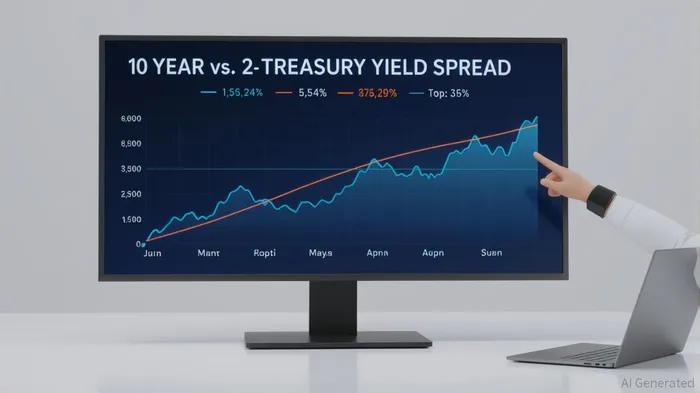
This compression reflects markets pricing in Fed rate cuts (the CME FedWatch Tool now assigns a 60% probability of a September cut) while fearing the economic drag from trade tensions. The curve's flattening creates headwinds for banks and insurers reliant on net interest margins but also presents tactical opportunities for investors.
Geopolitical Risks Amplifying Uncertainty
Trade disputes are now the primary driver of market volatility. The threat of renewed tariffs on $300 billion of Chinese goods, coupled with U.S. budget deficits nearing $1.4 trillion annually, has eroded investor confidence. Treasury Secretary Bessent's warnings about a potential August debt ceiling breach add to uncertainty, pushing investors toward short-term bonds and inflation-protected securities.
Tactical Allocations for Yield Volatility and Inflation
To navigate this environment, portfolios should balance inflation hedging, duration management, and curve dynamics. Here are three strategies:
1. TIPS (Treasury Inflation-Protected Securities) for Inflation Protection
TIPS are the gold standard for inflation hedging. Their principal adjusts with the CPI, shielding investors from rising prices. The iShares TIPS ETF (TIP) offers broad exposure, while shorter-duration TIPS (e.g., 5–10 years) limit exposure to rising rates.
2. Short-Duration Bonds for Rate Flexibility
With the Fed's pause and potential cuts, investors should avoid long-dated Treasuries. Short-term bonds (1–3 years) offer capital preservation and reinvestment flexibility as rates shift. The Vanguard Short-Term Treasury ETF (VGSH) has a duration of 2.2 years, minimizing interest-rate risk while maintaining liquidity.
3. Inverse Yield-Curve ETFs to Capitalize on Curve Dynamics
A flattening or inverted yield curve can be exploited via inverse curve ETFs, which profit when short-term rates outperform long-term ones. The ProShares Short 20+ Year Treasury ETF (TBF) shorts long-duration bonds, benefiting from curve flattening. Pair this with a barrier strategy—e.g., a 10% allocation—to hedge against recession risks without overexposure.
Conclusion: Prudent Risk-Taking in an Uncertain Landscape
The interplay of inflation, trade tensions, and Fed policy creates a volatile backdrop for fixed-income investors. By prioritizing TIPS, short-duration bonds, and curve-hedging instruments, portfolios can navigate yield volatility while guarding against inflation's bite.
The key takeaway: avoid complacency. Monitor the yield curve's slope, inflation's trajectory, and geopolitical headlines closely. In this environment, tactical flexibility—and a dose of humility—will be rewarded.

Stay ahead of the market.
Get curated U.S. market news, insights and key dates delivered to your inbox.




Comments
No comments yet