
Navigating Uncertainty: Defensive Positioning in a Deteriorating Consumer Sentiment Climate
 Aime Summary
The U.S. Michigan Consumer Sentiment Index for August 2025 has dropped to 58.2, a 5.7% decline from July and a 14.3% year-over-year slump. This sharp deterioration underscores growing unease among consumers over inflation, high prices, and weak labor market prospects. With year-ahead inflation expectations climbing to 4.8%—a near five-year high—investors must recalibrate their strategies to prioritize defensive positioning and tactical sector rotation.
The Sectoral Fallout: Cyclical vs. Defensive Stocks
Consumer sentiment is a barometer for economic health, and its decline signals a shift in market dynamics. Historically, falling sentiment correlates with underperformance in cyclical sectors like consumer discretionary, industrials, and real estate. These sectors rely on robust spending, which is now under threat as households tighten budgets. For instance, the index's subcomponents reveal that buying conditions for durable goods have hit a 12-month low, while expectations for labor markets have contracted.
Conversely, defensive sectors such as utilities, healthcare, and consumer staples are likely to outperform. These industries provide essential goods and services, making them less sensitive to economic volatility. Investors should also consider high-quality dividend-paying stocks, which offer stability amid uncertainty.
Defensive Positioning: A Prudent Approach
Given the current climate, a defensive tilt in portfolios is warranted. Here's how to structure it:
1. Increase Exposure to Defensive ETFs: Consider allocations to funds like the XLU (iShares Utilities ETF) or XLP (iShares Consumer Staples ETF), which have historically shown resilience during downturns.
2. Prioritize High-Quality Bonds: Long-duration Treasuries and investment-grade corporate bonds can provide downside protection. The TLT (iShares 20+ Year Treasury Bond ETF) is a prime candidate.
3. Hedge Against Inflation: Inflation-linked assets like the IPE (Inflation-Protected Securities ETF) or commodities (e.g., gold via GLD) can offset price pressures.
Sector Rotation: Timing the Shift
Sector rotation should align with macroeconomic signals. As consumer sentiment wanes, investors should:
- Reduce Cyclical Exposure: Trim positions in sectors like consumer discretionary (e.g., AMZN, TSLA) and industrials (e.g., BA, CSCO).
- Boost Defensive Holdings: Allocate to healthcare (e.g., JNJ, PFE) and utilities (e.g., DUK, EXC).
- Consider Short-Term Inflation Hedges: Energy (e.g., XOM, CVX) and materials (e.g., BHP, COP) may benefit from sustained price pressures.
The Road Ahead: Staying Agile
The Michigan index's decline reflects a broader narrative of economic caution. While the government shutdown in October 2025 had minimal immediate impact on sentiment, the persistent focus on inflation and high prices suggests that consumer behavior will remain constrained. Investors should remain agile, adjusting allocations as new data emerges. For example, if inflation expectations stabilize or the Federal Reserve signals rate cuts, cyclical sectors could rebound.
In the near term, however, defensive positioning and disciplined sector rotation are critical. By aligning portfolios with the realities of a weakening consumer outlook, investors can mitigate downside risks while capitalizing on opportunities in resilient sectors.
Final Takeaway: The latest consumer sentiment data is a wake-up call. Defensive strategies and tactical shifts are no longer optional—they are essential for navigating the uncertainty ahead.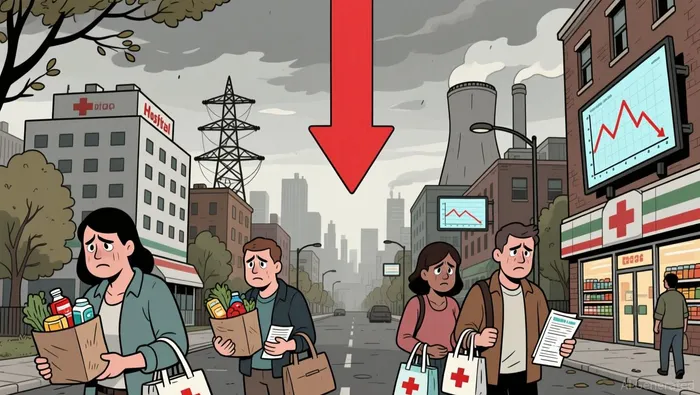

Stay ahead of the market.
Get curated U.S. market news, insights and key dates delivered to your inbox.






Comments
No comments yet