
Navigating Trade Turbulence: Investing in Supply Chain Resilience Amid Japan-US Tensions
The July 9 deadline for Japan-U.S. trade negotiations has crystallized into a pivotal moment for global supply chains, particularly in automotive and semiconductors. With tariffs looming and political posturing intensifying, Japan's refusal to accept temporary concessions—embodied by Trade Minister Ryosei Akazawa's demand for “complete tariff removal”—signals a strategic pivot toward long-term stability. For investors, this represents a rare opportunity to capitalize on firms building resilient supply chains that transcend geopolitical volatility.
The Automotive Sector: A Test of Geographic Diversification
The U.S. retains a 25% tariff on Japanese automobiles, a weaponized lever in negotiations. Japan's counterstrategy hinges on reducing exposure to unilateral sanctions through dual manufacturing hubs and regional trade agreements. Akazawa's insistence on “separating trade from non-trade issues” underscores Japan's focus on economic sovereignty.
Toyota, a bellwether for automotive resilience, has already invested in U.S. production facilities and Mexican assembly lines to mitigate tariff risks. Competitors like Honda and Nissan, however, face higher vulnerability due to less diversified footprints. Investors should prioritize firms with U.S. manufacturing capacity and access to markets outside the trade war's crosshairs, such as Southeast Asia.
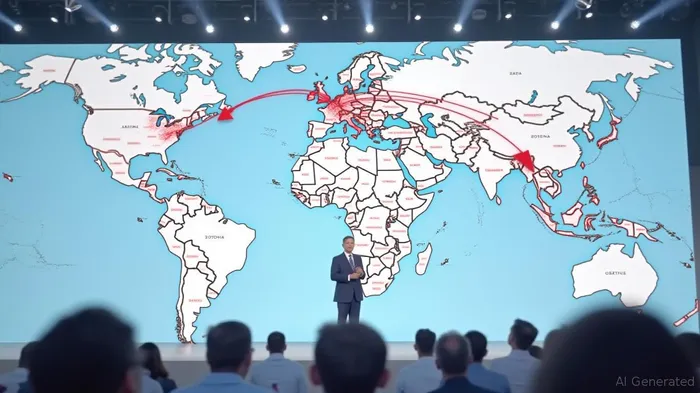
Semiconductors: A Race for Critical Mineral Autonomy
The semiconductor sector's stakes are even higher. U.S. demands for access to Japan's advanced materials—such as silicon wafers and rare earth metals—clash with Tokyo's push to leverage China's recent lifting of critical mineral export bans. This creates a paradox: Japan's negotiations gain leverage, but its firms face pressure to secure alternative supply chains.
Firms like Renesas, which have partnered with U.S. companies like AMD to co-develop chip designs, exemplify the “dual-sourcing” strategy. Meanwhile, pure-play Japanese semiconductor equipment makers, such as Tokyo Electron, face direct tariff threats but benefit from China's growing domestic demand. The key investment thesis? Back companies with cross-border R&D partnerships and diversified mineral sourcing.
Strategic Investment Themes: Building Resilience
- Geographic Diversification: Allocate to automotive and semiconductor firms with manufacturing splits between the U.S., Asia, and Europe.
- Material Security: Invest in companies securing rare earth and critical mineral supplies through joint ventures or state-backed initiatives.
- Technology Co-development: Firms like Sony (in image sensors) or SoftBank-backed startups with U.S.-Japan tech collaborations offer defensive moats.
Akazawa's public stance—rejecting “special treatment” in favor of systemic solutions—hints at a post-July 9 world where trade frameworks will prioritize supply chain redundancy. Even if tariffs are delayed, the structural shift toward resilience is irreversible.
Risks and Timing
The July 9 deadline itself may prove symbolic, with prolonged negotiations likely. The Bank of Japan's delayed rate hikes until early 2026 suggest a prolonged period of low-cost capital, favoring long-term bets. However, Japan's upper house elections in July could introduce political noise; investors should avoid overcommitting ahead of the results.
Conclusion: Betting on the Antifragile
The Japan-U.S. impasse is less about tariffs than about redefining global supply chain architecture. Firms that have already embedded resilience—through dual production, material partnerships, and cross-border innovation—are not just surviving but thriving. As Akazawa's hardline stance illustrates, the future belongs to those who turn geopolitical friction into operational advantage. For investors, this is the moment to look beyond the tariff headlines and toward the companies building the next era of supply chain dominance.
The data is clear: resilience is the new alpha.

Stay ahead of the market.
Get curated U.S. market news, insights and key dates delivered to your inbox.
AInvest
PRO
AInvest
PRO



Comments
No comments yet