
Navigating Trade Tensions: US-Japan Sector Opportunities in a Post-G7 Landscape
The G7 Summit in June 2025 failed to resolve lingering U.S.-Japan trade disputes, leaving automotive and tech sectors exposed to tariff risks. Yet, beneath the diplomatic uncertainty lies a mosaicMOS-- of undervalued equities with robust supply chain resilience. This article explores how companies in both nations are leveraging historical lessons and adaptive strategies to turn geopolitical headwinds into investment tailwinds.
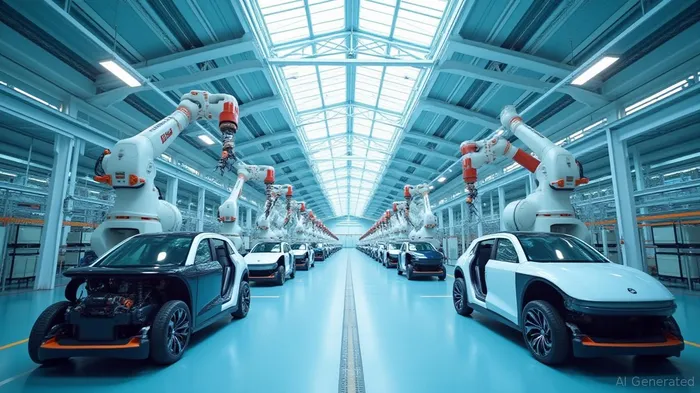
Automotive Sector: Navigating Tariffs with Structural Resilience
The automotive industry faces the most immediate pressure, with a potential 30% U.S. tariff hike on Japanese imports looming in July. Toyota (TM), Honda (HMC), and Nissan (NSANY) stand at the center of this storm. However, their adaptability offers a compelling investment thesis.
Toyota's Edge in EVs and Joint Ventures
Toyota's $8 billion battery partnership with Panasonic (PCRFY) positions it to offset margin pressures from tariffs. Its scale and global supply chain—rooted in 3.28 million vehicles produced annually in the U.S.—provide a buffer. A reveals a 15% discount to U.S. tech peers, despite its structural advantages in electrification.
Honda's Asymmetric Upside
Honda's smaller market cap and reliance on soybeans and LNG trade synergies (accounting for half its U.S. sales) create asymmetric returns if tariffs ease. A highlights its sensitivity to yen fluctuations—a key indicator for export-driven valuations.
Nissan's Risks and Strategic Hedging
Nissan's vulnerability stems from its Mississippi plant's narrow profit margins. Investors may avoid it in the near term but monitor its potential pivot to localized U.S. steel sourcing via its partnership with Nippon Steel (NSSMY). Nippon Steel's stock performance could signal progress toward a broader deal.
Tech Sector: Supply Chain Diversification as a Competitive Weapon
The unresolved tech tariffs hinge on Japan's ability to secure exemptions for critical components. Historical precedents, like the 2010 rare earth crisis, reveal how diversification and innovation can mitigate geopolitical risks.
Panasonic's Battery Play
Panasonic's joint venture with Toyota exemplifies how firms are future-proofing supply chains. Its expertise in lithium-ion batteries and partnerships in U.S. battery parks (e.g., Georgia's Gigafactory) align with Biden's Inflation Reduction Act incentives. A shows undervaluation relative to its strategic positioning.
Logistics as a Hidden Opportunity
Japan Logistics Fund (8967.T) and Yamato Holdings (9064.T) benefit from e-commerce growth and urbanization trends, even as export volumes fluctuate. Their undervalued valuations—32% below fair value estimates—reflect investor pessimism about trade tensions. A underscores their defensive appeal in volatile markets.
Historical Precedents: Lessons from the Rare Earth Crisis
Japan's 2010 response to China's rare earth export ban offers a blueprint for today's challenges. By diversifying supply chains, investing in recycling, and forming strategic partnerships, Japan reduced Chinese reliance from 90% to 58% by 2020. Similarly, current firms are adopting:
- Geopolitical Diversification: Securing cobalt from Australia or lithium from South America.
- Vertical Integration: Automakers like Toyota investing in battery tech to reduce reliance on U.S. tariffs.
- Policy Leverage: Japan's Economic Security Promotion Act incentivizes domestic production of critical minerals.
Investment Strategy: Opportunistic Buying with Safeguards
Bull Case (Tariffs Lifted by July):
- Buy Toyota and Honda on dips below their 50-day moving averages. Their EV pipelines and trade synergies offer 10–15% upside.
- Long Panasonic for its battery moat and U.S. partnerships.
Bear Case (Tariffs Persist):
- Short the iShares MSCI Japan ETF (EWJ) until the July deadline. A highlights its yen sensitivity.
- Hedge with yen longs: A yen rally (USD/JPY below 145) would boost exporters like Honda but penalize yen bond holders.
Conclusion: Resilience Over Fear
The unresolved U.S.-Japan trade tensions create a high-risk, high-reward environment. Companies with diversified supply chains, pricing power, and geopolitical foresight—like Toyota, Panasonic, and Japan Logistics Fund—present compelling opportunities. Investors should prioritize these sector-specific plays while hedging against tariff-driven volatility. History shows that adaptability outlasts tariffs; the current landscape is no different.
Stay vigilant, but stay invested.

Stay ahead of the market.
Get curated U.S. market news, insights and key dates delivered to your inbox.


AInvest
PRO
AInvest
PRO



Comments
No comments yet