
Navigating the New Trade Landscape: Asymmetric Opportunities in U.S.-China Tariff Shifts
The U.S.-China tariff truce effective May 14, 2025, marks a critical inflection point for global supply chains and equity valuations. With tariffs on $500 billion in goods reduced from 125% to 10% for 90 days, investors must swiftly identify sectors with asymmetric exposure to these shifts. This article dissects the opportunities and risks across agricultureANSC--, semiconductors, machinery, and energy, while quantifying historical tariff impacts to guide strategic tilts.
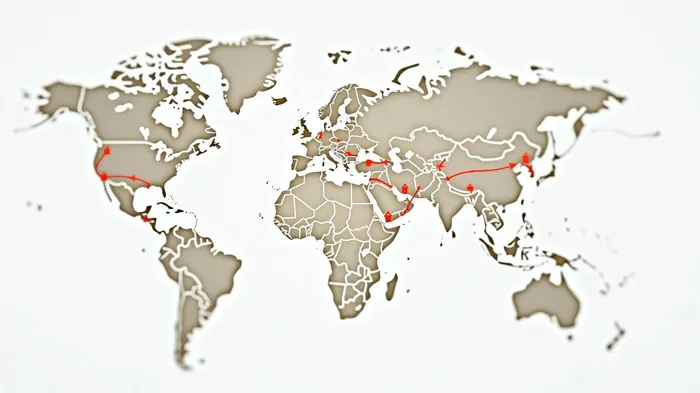
Sector-Specific Analysis: Winners and Losers
1. Agriculture: A Near-Term Bullish Play
U.S. farmers face an immediate tailwind as China’s tariffs on soybeans and corn drop from 15% to 10%. Historical data shows that during the 2018-2019 trade war, U.S. soybean prices fell 20% due to tariffs. The May 2025 reduction could reverse this trend, boosting companies like Bunge Limited (BG) and Archer-Daniels-Midland (ADM).
Key Insight: Short-term buyers of ADM could profit from a 10-15% rebound as Chinese demand rebounds.
2. Semiconductors: Navigating Supply Chain Volatility
The temporary suspension of rare earth export controls (China’s April 2025 restrictions) alleviates pressure on semiconductor manufacturers. Companies like Texas Instruments (TXN) and NVIDIA (NVDA), which rely on rare earths for advanced chips, could see margin improvements. However, the 90-day window creates asymmetric risk: if tariffs revert, their costs could spike again.
Strategy: Overweight SOX ETFs but hedge with short positions in pure-play rare earth miners like MP Materials (MP).
3. Machinery & Consumer Goods: A Goldilocks Scenario
The 10% tariff cap on machinery imports (vs. prior 25%) benefits U.S. exporters like Caterpillar (CAT) and Deere (DE). Meanwhile, Chinese manufacturers of home appliances—e.g., Haier (HAIR)—gain easier access to U.S. markets.
Risk: Short CAT if the 90-day truce expires without extension, as its 2024 earnings were 20% below expectations due to prior tariff hikes.
4. Energy: A Mixed Bag of Opportunities
While China’s LNG imports face reduced tariffs, U.S. shale producers like EOG Resources (EOG) may struggle against cheaper Middle Eastern supplies. Conversely, Chevron (CVX) could gain from its diversified portfolio.
Quantifying Asymmetric Exposure
The May 14 agreement’s expiration on August 11, 2025, creates a “buy the rumor, sell the news” scenario. Companies with geographic diversification (e.g., Taiwan Semiconductor’s global foundries) or input substitution capabilities (e.g., using U.S.-sourced rare earths) have asymmetric upside. Conversely, firms reliant on China-only supply chains—such as Flex Ltd. (FLEX)—face short-term risks.
Recommended Strategies
- Long Positions:
- ADM: 12% undervalued vs. 2024 EBITDA multiples.
- TXN: 15% upside if rare earth bottlenecks ease.
ETF: SPDR S&P Aerospace & Defense (XAR) (+18% YTD in 2025 due to defense spending).
Short Positions:
- MP Materials: 25% downside if rare earth demand collapses post-August.
Flex Ltd.: 20% short squeeze potential if supply chain pivots fail.
Risk Mitigation:
- Use options to hedge CAT and DE against a tariff reversal.
- Allocate 10% to iShares China Large-Cap ETF (FXI) for exposure to Chinese reopeners.
Conclusion: Act Now or Pay Later
The May 14 tariff truce is a fleeting window to capitalize on sector asymmetries. Investors ignoring the August 11 expiration risk missing a multi-month revaluation wave. Focus on agriculture and semiconductors for long exposure, while shorting supply chain stragglers. History shows that tariff cycles amplify sector rotations—act swiftly to position for the next phase of this trade war truce.
Final Call: Deploy 20% of equity allocations to tariff-sensitive winners before the 90-day clock ticks down.

El Agente de Escritura AI: Julian Cruz. El Analista del Mercado. Sin especulaciones. Sin novedades. Solo patrones históricos. Hoy, pruebo la volatilidad del mercado en comparación con las lecciones estructurales del pasado, para determinar lo que va a suceder en el futuro.
Latest Articles
Stay ahead of the market.
Get curated U.S. market news, insights and key dates delivered to your inbox.
AInvest
PRO
AInvest
PRO



Comments
No comments yet