
Navigating the Tightrope: Rate Cuts and the Fragile US Economic Rebound


 Aime Summary
The U.S. economy has staged a remarkable rebound in Q2 2025, with GDP surging at a 3.3% annualized rate. But let's not mistake this for a full-blown recovery. The growth is a fragile rebound, propped up by consumer spending and a drop in imports, while deeper structural risks—productivity stagnation, demographic headwinds, and ballooning public debt—loom large. As the Federal Reserve eyes rate cuts to stoke growth, investors must ask: Are these policy-driven tailwinds sustainable, or are we building a house of cards?
The Illusion of Strength
The 3.3% GDP growth in Q2 2025 is a welcome rebound from the Q1 contraction, but it's a tale of two forces. Consumer spending, the lifeblood of the U.S. economy, surged, driven by pent-up demand and a still-robust labor market. Meanwhile, the decline in imports—a subtraction in GDP calculations—artificially inflated the headline number. Yet, investment and exports lagged, with business investment projected to grow just 0.7% in 2025, a stark slowdown from 2024.
The Federal Reserve's rate-cutting cycle, which began in May 2025, is a double-edged sword. While lower rates may boost borrowing and spending, they also risk creating dependencies. J.P. Morgan and Goldman SachsGS-- both highlight that the Fed's easing could push the federal funds rate to 3.25–3.5% by early 2026. But here's the rub: these cuts are being made against a backdrop of stubborn inflation (core PCE at 2.5%) and a labor market that's showing early signs of strain.
Structural Risks: The Silent Saboteurs
The real danger lies beneath the surface. Productivity growth, a key driver of long-term prosperity, remains anemic. Business investment is being stifled by high borrowing costs and policy uncertainty, particularly around tariffs and trade agreements. Meanwhile, demographic shifts are tightening the labor market. Immigration, once a buffer, is slowing due to stricter policies, and the labor force participation rate is stagnant at 62.3%.
Public debt is another ticking time bomb. The federal deficit is expected to hit 6.4% of GDP in 2025, with further increases in 2026. This isn't just a fiscal issue—it's a structural one. As debt rolls over, higher interest rates will eat into government spending, leaving less room for fiscal stimulus. And if trade tensions escalate, the Fed's ability to cut rates could be further constrained, prolonging high borrowing costs.
The Fed's Dilemma: Stabilize or Stagnate?
The Fed's rate-cutting strategy is a high-stakes gamble. While it aims to support growth and manage inflation, it's also creating a dependency on monetary stimulus. BlackRockBLK-- notes that investors are shifting into intermediate-duration bonds and credit assets, betting on a shallow rate-cut cycle. But what happens when the next shock hits?
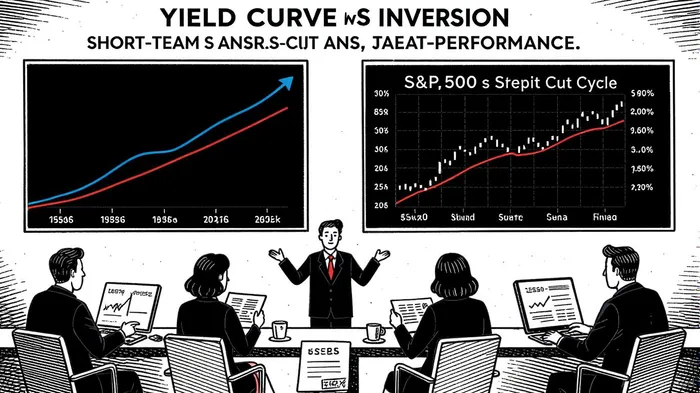
The Fed's 2025 review of its policy framework acknowledges these risks. It emphasizes the need for a balanced approach, combining monetary and fiscal tools. Yet, the House-passed budget bill—a $2.4 trillion deficit booster—complicates this. Fiscal policy is becoming a drag, not a complement, to monetary easing.
Investment Advice: Play the Long Game
For investors, the message is clear: Don't chase the rebound. Instead, position for the long-term structural shifts. Here's how:
- Sector Rotation: Favor sectors that benefit from rate cuts and demographic trends. Real estate (via REITs) and consumer discretionary (e.g., homebuilders) could thrive as borrowing costs fall. Avoid overleveraged small-cap stocks, which are more vulnerable to rate hikes.
- Credit Exposure: Intermediate-duration bonds and high-yield corporates offer better yield without the volatility of long-term Treasuries.
- Diversification: Alternative assets like gold and inflation-protected securities can hedge against policy missteps and inflation surprises.
But don't get too comfortable. The Fed's rate cuts may provide a temporary boost, but they won't fix the underlying issues. Productivity stagnation and fiscal fragility are not solved by lower rates. Investors must stay vigilant, balancing optimism with caution.
The Bottom Line
The U.S. economy is walking a tightrope. The Q2 rebound is a step in the right direction, but structural risks threaten to pull it back down. Rate cuts offer a lifeline, but they're not a magic bullet. For investors, the key is to navigate the fragility—leveraging policy tailwinds while hedging against the risks of a prolonged slowdown. As the Fed's next move looms, one thing is certain: The road ahead is anything but smooth.

Stay ahead of the market.
Get curated U.S. market news, insights and key dates delivered to your inbox.




Comments
No comments yet