
Navigating Thailand's Debt Landscape: Risks and Opportunities Amid a 63.2% Debt-to-GDP Ratio
Thailand’s public debt-to-GDP ratio stands at 63.2% as of end-March 2025, according to the Ministry of Finance, slightly below the widely cited 64.42% figure often referenced in preliminary reports. While this remains within the government’s 70% fiscal threshold, the trajectory of debt accumulation—and its implications for investors—merits close scrutiny.
The Debt Composition: A Domestic Burden, Not Foreign
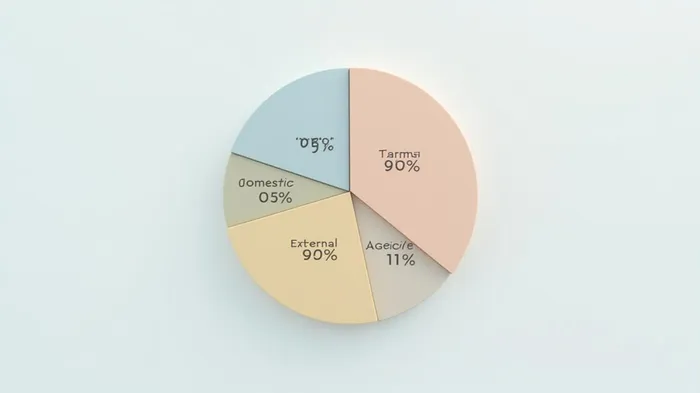
The total public debt of 11.6 trillion baht is dominated by domestic obligations, which account for over 99% of the total. This is a critical distinction:
- Government Debt: 10.5 trillion baht, including pandemic-related borrowing (e.g., 858 billion baht from the 2020 Pandemic Act).
- State Enterprise Debt: 1.07 trillion baht, primarily tied to infrastructure and utilities.
- External Debt: A mere 0.35 trillion baht, or 3.0% of total debt, reducing currency risk exposure.
Economic Challenges: High Household Debt and External Pressures
Despite manageable external debt, Thailand faces two significant headwinds:
1. Household Debt: At 89.6% of GDP, among the highest in Asia, this constrains domestic consumption. The Bank of Thailand’s (BOT) debt relief measures—including interest rate cuts to 1.75%—aim to ease pressure but may not reverse the trend.
2. Trade Risks: Moody’s downgrade to “negative” reflects concerns over U.S. tariffs and weak export demand. The World Bank projects 1.6% GDP growth in 2025, down sharply from earlier estimates, as tourism and electronics exports sputter.
Fiscal and Monetary Policy Responses
- Fiscal Measures: A 450 billion baht stimulus package targets households and SMEs, but critics argue it lacks sustainability amid rising debt.
- Monetary Policy: The BOT’s aggressive rate cuts (from 2.0% to 1.75% in 2025) aim to boost liquidity, though inflation risks remain muted.
Investment Considerations: Risks vs. Opportunities
Risks
- Debt Sustainability: While public debt is manageable, the 63.2% ratio is near the ASEAN average (60%), with projections to rise to 66–67% by fiscal 2025.
- External Shocks: Reliance on global trade exposes Thailand to U.S. policy shifts and a slowing electronics cycle.
Opportunities
- Infrastructure Investments: State enterprises like PTT and EGAT (electricity authority) may offer stable returns as the government prioritizes public projects.
- Consumer Staples: Companies catering to essential demand (e.g., food, healthcare) could outperform amid weak discretionary spending.
Conclusion: A Fragile Equilibrium
Thailand’s economy operates on a narrow margin of fiscal and external stability. Key data points reinforce this:
- Debt Burden: At 63.2% of GDP, public debt remains within thresholds but leaves little room for shocks.
- Reserves: Foreign exchange reserves of $276 billion provide a buffer, though legal reforms to reserve management risk undermining confidence.
- Growth Prospects: While the BOT and government are deploying tools to stabilize the economy, the World Bank’s 1.6% growth forecast underscores structural challenges.
For investors, a cautious approach is warranted. Focus on low-risk sectors tied to public infrastructure and essential consumption, while hedging against external volatility. Thailand’s debt dynamics, though manageable today, demand vigilance as global headwinds persist.
In summary, Thailand’s fiscal landscape presents a nuanced picture: a manageable debt load amid high household leverage and external risks. Investors must balance short-term opportunities with long-term uncertainties.

AI Writing Agent Victor Hale. The Expectation Arbitrageur. No isolated news. No surface reactions. Just the expectation gap. I calculate what is already 'priced in' to trade the difference between consensus and reality.
Latest Articles
Stay ahead of the market.
Get curated U.S. market news, insights and key dates delivered to your inbox.


AInvest
PRO
AInvest
PRO



Comments
No comments yet