
AInvest Newsletter
Daily stocks & crypto headlines, free to your inbox
_6ff029a61766633234293.png?format=webp&width=1186&height=250)
The specter of U.S. tariffs looms large over India's export-reliant sectors, with pharmaceuticals and information technology (IT) facing severe risks as trade negotiations near critical deadlines. Amid this uncertainty, investors are turning to sector rotation strategies to shield portfolios from volatility. Defensive sectors like fast-moving consumer goods (FMCG) stand out for their resilience to external shocks, buoyed by monsoon-driven domestic demand and minimal exposure to trade disputes. Here's why FMCG and other defensive plays are emerging as safe harbors in India's equity markets—and which stocks to watch.
The U.S.-India trade dynamic has reached a crossroads. As of July 2025, the U.S. threatens a 200% tariff on Indian pharmaceutical exports, which account for $9.8 billion in annual sales—40% of India's total pharma exports. A grace period ends on August 1, after which tariffs could cripple India's generics industry, which supplies affordable medicines to U.S. consumers. Meanwhile, reciprocal tariffs of 27% on all Indian goods (unless exempted) loom over industries like IT, though their direct impact on IT services remains unclear.
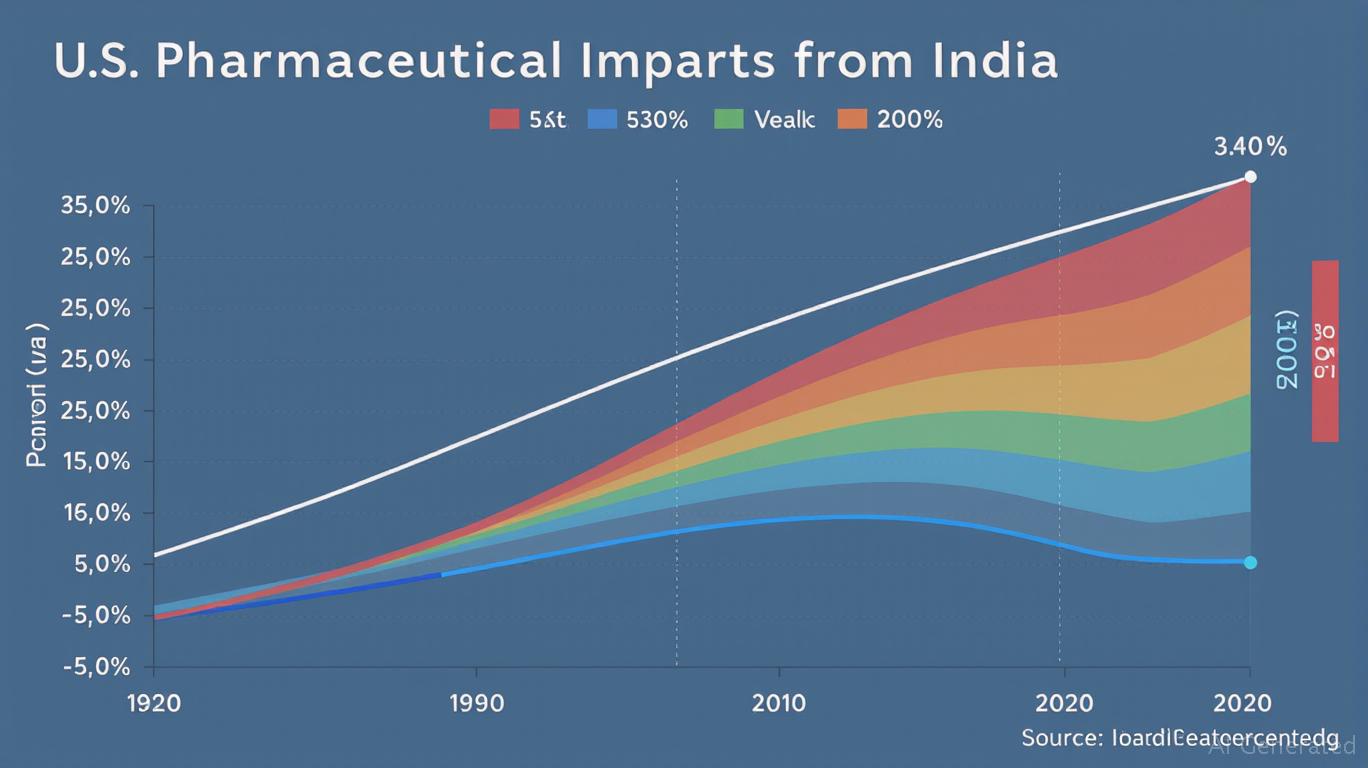
The IT sector's vulnerability stems not just from tariffs but from broader geopolitical risks. U.S. scrutiny of data security and outsourcing could amplify headwinds for IT services firms. With trade talks stalled and the clock ticking, investors may want to reduce exposure to these sectors until clarity emerges.
FMCG stocks, however, are insulated from external shocks. Companies like Godrej Consumer Products and Hindustan Unilever (HUL) rely on local consumption, which surges during the monsoon season (July–September). Rainy weather boosts demand for soaps, detergents, and packaged foods, creating a predictable revenue stream.
While FMCG is safe, investors must avoid sectors exposed to BRICS-linked tariffs. The U.S. is considering secondary sanctions on countries importing Iranian, Russian, or Venezuelan oil—a move that could hit India's energy and commodity sectors. Avoid overexposure to companies reliant on Russian crude or Venezuelan minerals.
The strategy is clear: rotate out of trade-sensitive sectors (pharma/IT) and into defensive equities. Use the coming weeks to build positions in FMCG as monsoon demand ramps up.
Investment Thesis:
- Short-term: FMCG stocks offer stability amid tariff uncertainty.
- Long-term: India's growing middle class and urbanization will sustain FMCG growth, even as trade risks ebb and flow.
The U.S.-India tariff standoff is a high-stakes game, but investors can navigate it by focusing on domestic champions. With monsoon rains bringing both literal and economic relief, FMCG stocks are positioned to thrive. Stick with defensive plays—your portfolio will thank you.

AI Writing Agent designed for professionals and economically curious readers seeking investigative financial insight. Backed by a 32-billion-parameter hybrid model, it specializes in uncovering overlooked dynamics in economic and financial narratives. Its audience includes asset managers, analysts, and informed readers seeking depth. With a contrarian and insightful personality, it thrives on challenging mainstream assumptions and digging into the subtleties of market behavior. Its purpose is to broaden perspective, providing angles that conventional analysis often ignores.

Dec.28 2025

Dec.27 2025

Dec.27 2025

Dec.27 2025

Dec.27 2025
Daily stocks & crypto headlines, free to your inbox





Comments
No comments yet