
Navigating Tariff Turbulence: Sectors to Watch as Policy Clarity Emerges
The prolonged uncertainty surrounding President Trump's trade tariffs has created a volatile market environment, with missed deadlines and shifting policies leaving investors on edge. As of July 2025, the July 9 tariff deadline's delayed resolution and ongoing legal battles highlight the fragility of global trade frameworks. Yet within this chaos, opportunities emerge for investors willing to parse the noise and identify sectors poised to rebound once policy clarity arrives.
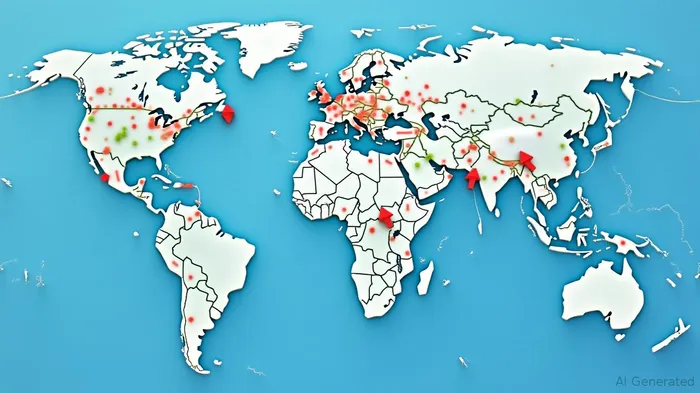
The Missed Deadline: A Catalyst for Volatility
The July 9 deadline—originally set for imposing reciprocal tariffs on non-compliant nations—was delayed until August 1, following a stay on the “fentanyl” tariffs and incremental trade deals with partners like Japan and South Korea. This delay, however, failed to quell market fears. On July 7, U.S. equity indices plummeted, with the S&P 500 falling 1.1% and the Nasdaq shedding 0.9% amid heightened geopolitical risks. Meanwhile, the U.S. dollar surged 1.15% against the yen, reflecting safe-haven demand, while commodities like oil rose on supply concerns.
The prolonged uncertainty has exacerbated sector-specific vulnerabilities. Industries tied to global supply chains—manufacturing, tech, and international equities—have faced the brunt of tariff-driven headwinds.
Sectors Under Pressure: Manufacturing and Tech
Manufacturing, particularly those reliant on steel and aluminum imports, remains a key battleground. U.S. tariffs of 25–50% on non-UK-origin metals, coupled with expanded coverage to appliances like refrigerators and washing machines, have squeezed margins. Companies like Caterpillar (CAT) and Deere (DE), which rely on steel derivatives, have seen stock prices dip as cost pressures mount.
However, a silver lining exists for manufacturers with domestic production capabilities or diversified supply chains. For example, Boeing (BA), which sources critical components domestically, has outperformed peers in recent quarters.
In tech, the sector's resilience has been tested by dual pressures: supply chain disruptions from tariffs and investor rotation into defensive plays. While tech giants like Apple (AAPL) and Nvidia (NVDA) have maintained growth, smaller firms reliant on Asian manufacturing hubs face margin squeezes.
International Equities: Oversold and Opportunistic
International equities, particularly those in tariff-targeted regions like Europe and Asia, have been battered. The Nikkei 225 fell 1.6% on July 7, while European indices like the DAX declined due to U.S.-EU trade friction. Yet this weakness creates contrarian opportunities.
Countries with strong trade deals or exemptions—such as Canada and Mexico under USMCA—could see rebounds if their industries stabilize. Meanwhile, emerging markets like Vietnam (post-tariff reduction) and India (targeted by U.S. tariff threats) may offer asymmetric upside if diplomatic solutions materialize.
Expert Insights and Strategic Entry Points
Analysts emphasize the need for patience and diversification. Sarah Hansen of Morningstar notes, “Markets will remain in wait-and-see mode until August, but the worst-case scenario has already been discounted.” Her advice: prioritize sectors with pricing power and domestic exposure.
For income-oriented investors, utilities and healthcare—less sensitive to trade cycles—offer defensive havens. Utilities like NextEra Energy (NEE) and healthcare leaders like UnitedHealth (UNH) have shown relative stability amid volatility.
Recommended Positions: Play the Rebound
- Manufacturing Leaders with Domestic Focus:
- Boeing (BA): Benefits from U.S. production and potential aerospace exclusions.
Cintas (CTAS): A defensive industrial services firm with strong cash flow.
Tech Giants with Global Scale:
- Nvidia (NVDA): Likely to outperform in a recovery, given its dominance in AI and semiconductors.
Microsoft (MSFT): Insulated by recurring software revenue and cloud dominance.
International Equities with Catalysts:
- iShares MSCI Mexico ETF (EWW): USMCA-compliant sectors could rebound post-tariff clarity.
Vietnam ETF (VNM): Post-20% tariff reduction, valuations are compelling.
Defensive Plays:
- NextEra Energy (NEE): Low beta and dividend stability.
- Healthcare SPDR (XLV): Sector ETFs for diversified exposure to resilient companies.
Final Considerations: Monitor the Fed and Deficit Risks
While trade policy dominates headlines, investors must also watch the Federal Reserve's rate decisions and federal deficit trends. A potential September rate cut could ease financial conditions, while rising Treasury yields due to deficit concerns may pressure equities.
In conclusion, Trump's tariff uncertainty has created a “buy the dip” environment in select sectors. By focusing on companies with pricing power, diversified supply chains, or direct ties to trade exemptions, investors can position themselves to capitalize on the eventual resolution of this prolonged policy standoff.
Stay disciplined, and let clarity guide your entries.

Stay ahead of the market.
Get curated U.S. market news, insights and key dates delivered to your inbox.
AInvest
PRO
AInvest
PRO



Comments
No comments yet