
Navigating the Tariff Turbulence: Opportunities in a Volatile Market Landscape
The U.S. tariffs imposed in April 造2025, part of the "America First" trade policy, have reshaped global trade dynamics while amplifying market volatility. With sectors like aluminum, steel, and semiconductors facing steep tariffs, investors now face a critical question: How can equity markets recover amid this turmoil? By analyzing historical reactions, sector resilience, and expert insights from Wealth Enhancement, this article identifies strategic opportunities for long-term growth.
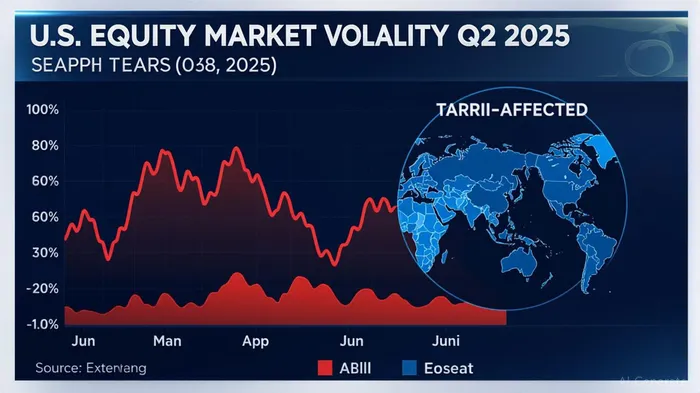
The Immediate Impact: Volatility and Sector-Specific Challenges
The April 2025 tariff announcements triggered outsized volatility, particularly in bond markets. Municipal bonds faced widening spreads as investors shifted funds to equities, a trend Wealth Enhancement analysts linked to reduced confidence in fixed-income assets amid trade uncertainties. Meanwhile, the S&P 500 surged 9.5% following a 90-day tariff pause in April—a stark reminder of how policy pauses can reset investor sentiment.
The automotive sector bore the brunt: 25% tariffs on foreign cars led to a 3.5% drop in auto sales in June, as highlighted in Wealth Enhancement's June 19 analysis. Yet, sectors insulated from direct tariff exposure, such as technology and healthcare, proved resilient. For instance, semiconductor firms, though threatened with 25% tariffs, maintained robust demand from AI and EV advancements, suggesting their long-term growth trajectories remain intact.
Tariff-Resistant Sectors: Tech and Healthcare Lead the Way
Wealth Enhancement's research underscores the value of sectors less tied to global supply chains. Technology, particularly in semiconductors and cloud infrastructure, has shown remarkable resilience. reveals outperformance amid rising inflation and interest rates. This sector's ability to innovate and reduce costs aligns with the "energy efficiency" theme Wealth Enhancement highlighted in April—businesses prioritizing cost savings in inflationary environments.
Healthcare also stands out. Pharmaceuticals faced threats of 200% tariffs, but Wealth Enhancement noted that U.S. drug manufacturers, shielded by domestic production, have maintained pricing power. Additionally, healthcare's defensive nature—steady demand regardless of economic cycles—offers stability in volatile markets.
Consumer Goods: A Split Picture
The consumer sector is bifurcated. Discretionary spending (e.g., autos, apparel) faces headwinds from tariff-driven inflation and weaker retail sales (-0.9% in June). Conversely, consumer staples (household goods, food) remain stable, as Wealth Enhancement's June 6 analysis emphasized. Companies with pricing power and diversified supply chains, such as Procter & Gamble, are positioned to outperform.
Inflation and Interest Rates: Navigating the Macro Landscape
The Federal Reserve's response to inflation is critical. While June saw softer inflation data, the Fed's path to rate cuts remains cautious. reveal a tightening cycle that could ease in late 2025, benefiting equities. Wealth Enhancement's May 16 analysis suggested that sectors like consumer staples and technology would benefit most from this shift.
Strategic Allocation: Long-Term Discipline Amid Short-Term Chaos
Investors should prioritize sectors with pricing power and global competitiveness:
1. Technology: Allocate to semiconductors and cloud infrastructure, which benefit from secular growth trends.
2. Healthcare: Focus on pharmaceuticals with domestic manufacturing and healthcare IT firms.
3. Private Markets: As highlighted in Wealth Enhancement's May 14 blog, private equity and real estate offer diversification and less tariff exposure.
Avoid overreacting to short-term volatility. The July 31 court appeal on tariffs could reset trade dynamics, but Wealth Enhancement's June 6 insights show that equity markets often rebound after policy clarity.
Conclusion
The tariff turbulence of 2025 demands a disciplined approach. By focusing on sectors like technology and healthcare—backed by innovation and demand stability—investors can navigate volatility while positioning for recovery. As Wealth Enhancement's analyses affirmAFRM--, resilience in equities often lies in sectors that transcend trade disputes, not succumb to them.
In the words of Wealth Enhancement's Gary Quinzel: "Tariffs are a headwind, not a hurricane. The markets that thrive are those where companies innovate faster than policymakers can disrupt."
Investors would be wise to heed this advice and stay anchored in sectors that define the future.

Stay ahead of the market.
Get curated U.S. market news, insights and key dates delivered to your inbox.


AInvest
PRO
AInvest
PRO



Comments
No comments yet