
Navigating the Tariff Tightrope: Asian Equity Plays Amid U.S. Deadline Pressure
As July 9, 2025, approaches, the U.S. tariff regime's shifting deadlines have turned Asian equities into a high-stakes game of sector-specific resilience. With reciprocal tariffs, exemptions, and ongoing trade disputes shaping the landscape, investors must parse which industries and companies are best positioned to thrive—or crumble—in this new era of protectionism.
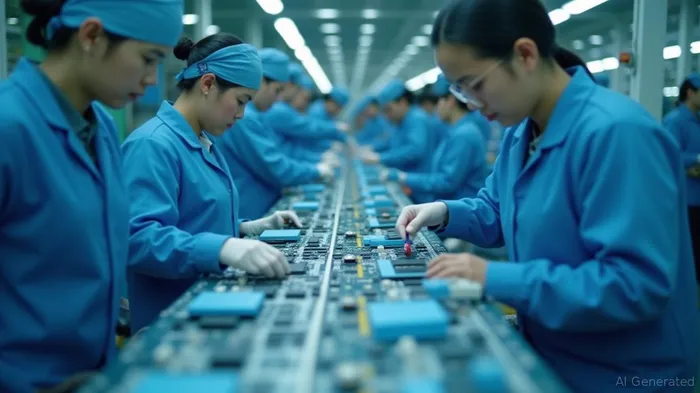
Manufacturing: Navigating the Steel and Auto Crossroads
The automotive and steel sectors face the most immediate tariff pressures. U.S. tariffs on non-UK steel/aluminum remain at 50%, while automobiles from non-U.S. trade partners face 25% levies unless they qualify for exceptions.
Vulnerabilities:
- Steel Producers: Asian mills, particularly in China and Vietnam, face headwinds as U.S. tariffs divert demand to non-tariff markets.
- Auto Supply Chains: Firms reliant on Chinese or European auto parts—such as South Korea's Hyundai or Thailand's ToyotaTM-- affiliate—are exposed to margin compression.
Opportunities:
- UK-Japan carve-outs: Japan's robotics and automotive exports (e.g., Toyota, Fanuc) benefit from delayed U.S. tariffs and Section 232 exemptions.
- Vietnam's Tech Manufacturing: Companies like FPT Corporation (FPT) and VinGroup (VIG) are insulated by U.S. exemptions on solar equipment and EV batteries.
Toyota's shares have dipped slightly amid tariff fears, but its U.S.-Japan supply chain integration gives it a buffer compared to regional peers.
Tech: The Semiconductor Gamble and Solar Bright Spots
The tech sector is a study in contrasts. While U.S. threats on semiconductors and critical minerals (Annex II products) loom, solar and EV supply chains are thriving under exemptions.
Vulnerabilities:
- Semiconductor Exposures: Taiwanese firms like TSMC and South Korea's Samsung face risks if U.S. tariffs on chips materialize.
- Critical Minerals: Lithium and cobalt producers (e.g., Australia's Pilbara Minerals) may see demand diverted to non-tariff markets.
Opportunities:
- Solar Manufacturing: Vietnam's FPT and Longi Green Energy (China) benefit from retroactive U.S. exclusions on solar equipment.
- AI and Robotics: Japan's Fanuc and Singapore's Gigabyte Technology are shielded by demand for automation and tariff-free robotics components.
Samsung's stock has underperformed amid uncertainty, but its diversified supply chain and AI investments may limit downside.
Energy: Diversification vs. Geopolitical Risks
Energy firms face a dual challenge: U.S. penalties for purchasing Iranian/Russian/Venezuelan oil and shifting demand toward renewables.
Vulnerabilities:
- Oil Importers: Indian refiners like Reliance Industries and Vietnamese state-owned PetroVietnam face tariff-linked headwinds if they source from sanctioned nations.
- Steel-Linked Firms: Australia's BHP Billiton and Brazil's Vale see weaker demand for their iron ore as Asian steelmakers grapple with tariffs.
Opportunities:
- Renewables and EV Infrastructure: China's CATL (batteries) and TSL Group (solar panels) are beneficiaries of U.S. exemptions and Beijing's “Digital China” push.
- Geopolitical Arbitrage: Japanese trading houses like Marubeni are pivoting to Middle Eastern markets to offset U.S. demand losses.
Historical Lessons and Forward Guidance
The 2018–2019 trade war provides a template for today's challenges. Key takeaways:
1. Cost Pass-Through Limits: Past tariffs forced companies to absorb costs rather than raise prices, but 2025's higher rates may strain this resilience.
2. Supply Chain Reshaping: Firms with diversified production (e.g., Vietnam's FPT) or U.S.-exempt products (e.g., Japan's robotics) outperformed rigid supply chains.
3. Policy Overhang Risks: Legal battles like the July 31 court appeal on fentanyl-related tariffs could delay or reverse tariff timelines, creating volatility.
Investment Strategy: Focus on Exemptions and Policy Winners
- Long Positions:
- Vietnam's Tech Sector: Buy FPT and VinGroup ahead of July 9 deadlines.
- Japan's Robotics: Overweight Fanuc and Advantest for U.S. tariff shields.
- China's EV Infrastructure: CATL and Huawei's cloud division benefit from domestic stimulus.
- Avoid:
- Steel-heavy firms like China's Baowu Steel (excess capacity and weak demand).
Auto parts manufacturers in Thailand and South Korea without U.S. exemptions.
Hedging:
- Pair equity bets with yen-linked bonds (e.g., Japanese government bonds) to offset currency risks.
Conclusion
The July 9 tariff deadline is a pivotal moment for Asian equities. Investors must distinguish between sectors with structural advantages (tech exemptions, robotics carve-outs) and those clinging to outdated supply chains. While risks like tariff reinstatement or geopolitical spillovers linger, the winners will be companies that leverage exemptions, diversify production, and align with policy tailwinds like Vietnam's North-South Industrial Corridor or Japan's robotics boom.
Nick Timiraos
June 19, 2025

Stay ahead of the market.
Get curated U.S. market news, insights and key dates delivered to your inbox.
AInvest
PRO
AInvest
PRO



Comments
No comments yet