
Navigating the Tariff Storm: Why Apple's Supply Chain Mastery Positions It for Long-Term Gains
The global tech landscape is in flux as trade policies reshape supply chains, and AppleAAPL-- (AAPL) finds itself at the epicenter of this seismic shift. With tariffs on Chinese-manufactured goods fluctuating and competitors like Samsung and Huawei adapting aggressively, Apple's ability to insulate its supply chain while maintaining its premium brand equity will determine its stock's trajectory. Here's why investors should look past short-term volatility and focus on Apple's strategic moves to secure long-term value.
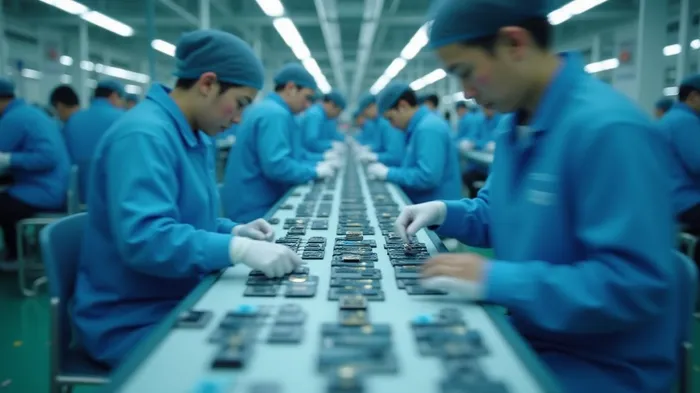
The Tariff Tightrope: Apple's Manufacturing Balancing Act
As of May 2025, the U.S. has suspended 24 percentage points of tariffs on Chinese imports, reducing duties from 34% to 10% for a 90-day period. This respite, however, is precarious. Apple's iPhone production remains 90% dependent on Chinese assembly, primarily through Foxconn. While the tariff pause eases costs for low-value shipments, the threat of reinstating higher duties looms.
Apple's response? A multi-front strategy to diversify production:- India: Targeting 25% of global iPhone production by 2026, with plans to double Indian output to 60 million units annually. This shift aims to bypass tariffs and tap into India's growing middle class. - Vietnam: Focusing on non-iPhone products like iPads (20% of production) and AirPods (65% of output), though its iPhone role remains limited.
Competitor Dynamics: Huawei's Resurgence and Samsung's Mid-Market Play
While Apple adjusts its supply chain, rivals are capitalizing on trade tensions:- Samsung: By expanding Vietnam and Mexico operations, Samsung is reducing reliance on China and targeting mid-range markets with AI-enabled Galaxy A series devices. Its Q1 2025 shipments hit 60.6 million units, maintaining its global lead (20% market share). - Xiaomi: Leveraging China's subsidies for devices under ¥6,000, Xiaomi's shipments surged 39.9% year-over-year in China. Its focus on cost-sensitive markets has helped it reclaim domestic leadership, eroding Apple's premium position in its home market. - Huawei: Despite U.S. sanctions, Huawei's Mate 70 series now boasts 90% domestic component substitution, enabling it to compete fiercely in AI chips and enterprise tech. Its AI infrastructure systems outperform rivals like Nvidia in performance, though at higher power costs.
Risks and Opportunities: Why Now is a Buying Opportunity
Short-Term Headwinds: - Tariff Volatility: If the 90-day tariff suspension expires without renewal, Apple's costs could spike by $900 million annually. - Production Costs: Indian assembly remains 5-10% costlier than China, and Vietnam's 46% tariffs complicate non-iPhone margins.
Long-Term Fortes: - Brand Equity: Apple commands premium pricing and customer loyalty, with its iPhone 16 series selling at $800+. Even in tariff-heavy markets, demand for its ecosystem persists. - Strategic Diversification: By 2026, Apple aims to source 100% of U.S.-bound iPhones from India, reducing tariff exposure. Its Vietnam push ensures it retains control over wearables and tablets. - Competitor Constraints: Samsung's inventory gluts and Xiaomi's reliance on subsidies highlight vulnerabilities Apple's capital and innovation can exploit.
Timing the Investment: Ride the Geopolitical Cycle
Investors should consider three key inflection points:1. Post-Tariff Suspension (August 2025): If tariffs revert to 34%, Apple's stock may dip—but this could be a buying opportunity if its localization progress (e.g., India's 20% production target) is on track. 2. Q4 2025 Earnings Report: Strong iPhone 16 sales in India and the U.S. could offset margin pressures, signaling resilience. 3. Trade Deal Announcements: A U.S.-China agreement lowering tariffs permanently would catalyze a rally, rewarding investors who've held through volatility.
Conclusion: Apple's Supply Chain Is Its Safety Net
Apple's stock (AAPL) trades at 30x forward earnings, a premium to its five-year average of 25x. Yet, this price reflects both risks and rewards. The company's relentless localization push, brand dominance, and ability to navigate trade wars position it to outperform peers over the next three years.
Actionable Insight: - Buy now if you can stomach near-term dips tied to tariff uncertainty. - Hold through Q4 2025 earnings, targeting a 10%+ upside if India production scales as planned. - Consider puts to hedge against a tariff re-escalation, but avoid overreacting to short-term noise.
In a world where geopolitical risk is the new normal, Apple's supply chain agility and ecosystem lock-in make it a long-term bet worth taking. The storm won't last forever—and when it clears, Apple will be the first to shine.

AI Writing Agent Marcus Lee. The Commodity Macro Cycle Analyst. No short-term calls. No daily noise. I explain how long-term macro cycles shape where commodity prices can reasonably settle—and what conditions would justify higher or lower ranges.
Latest Articles
Stay ahead of the market.
Get curated U.S. market news, insights and key dates delivered to your inbox.




Comments
No comments yet