
Navigating Tariff-Induced Volatility: A Strategic Opportunity in Tech and Energy
The ongoing tariff wars have introduced significant volatility into global markets, but beneath the surface lies a compelling opportunity for investors to capitalize on sector-specific resilience and macroeconomic mispricings. Tech and energy stocks are outperforming amid protectionist threats, while underappreciated earnings strength in banks suggests a hidden value play. This article outlines a tactical strategy to navigate this environment, leveraging historical cycles and current fundamentals.
The Tech Sector's Pricing Power
The S&P 500 Technology sector has emerged as a clear winner, posting a +9.51% YTD return through early 2025 despite tariff pressures. This resilience stems from two pillars: innovation-driven demand and inflation hedging.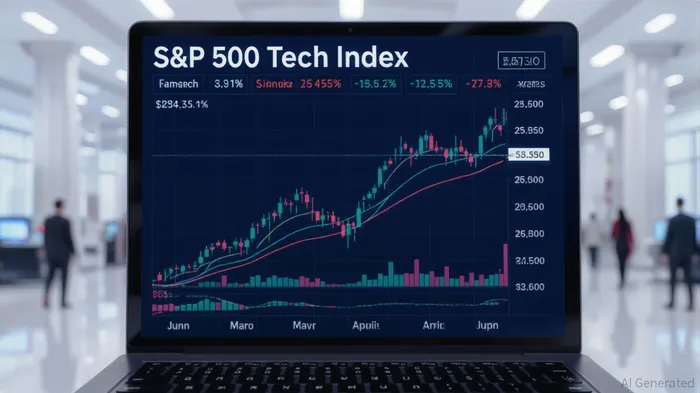
- Crypto-Exposed Firms: Companies like CoinbaseCOIN-- (COIN) are benefiting from rising interest in digital assets as an inflation hedge. The firm's Q1 revenue surged 40% year-over-year, driven by institutional adoption and its Prime Services division.
- Semiconductor Leaders: Firms like NVIDIANVDA-- (NVDA) and AMDAMD-- (AMD) continue to dominate AI-driven hardware demand, even as tariff threats loom. Their pricing power in advanced chips allows them to offset margin pressures through premium pricing.
While tariff-sensitive sectors like industrials (+1.18% YTD) and materials (+0.02% YTD) stagnate, tech's innovation and global footprint insulate it from short-term trade disruptions.
Energy's Fundamental Strength
The Energy sector's +3.01% YTD return may seem modest, but it masks a compelling story of operational resilience. Rising oil prices and corporate discipline are driving outperformance:
- Hess (HES) and Chevron (CVX) rose 5.13% and 3.41% in Q2, respectively, as OPEC+ cuts and geopolitical risks support crude prices.
- Inflation Hedge: Energy stocks act as natural inflation hedges, with dividends and production costs insulated by commodity pricing.
Despite tariff threats on metals and semiconductors, energy's fundamentals remain unshaken. Investors should focus on majors with exposure to high-margin shale plays or strategic reserves.
Banks: Hidden Earnings Strength Amid Sector Underperformance
While the S&P 500 Financials sector is projected to grow only +2.4% in Q2, digging deeper reveals regional banks' 18% earnings growth—a stark contrast to diversified banks' -13% decline.
- Regional Outperformance: Institutions like Morgan Stanley (MS), with its $7.9 trillion in client assets and robust wealth management division, are capitalizing on rising equity markets and fee-based revenue.
- Tariff Mitigation: Regional banks, less exposed to global supply chains, are better positioned to weather trade tensions.
Excluding JPMorgan's drag (-13% due to a prior-year VisaV-- gain), the sector's growth improves to +9.3%—a mispricing ripe for exploitation.
Historical Parallels: The McKinley Tariff Cycle
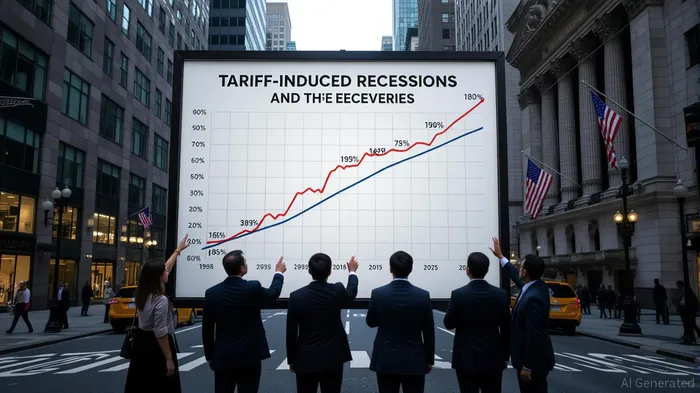
The 1890 McKinley Tariff Act offers a blueprint for today's volatility-to-recovery cycle. Initially, tariffs caused market turmoil and a budget surplus, but recovery emerged through policy shifts and diversification:
- Cyclical Turnaround: By the early 1900s, the U.S. shifted to reciprocal trade agreements and income tax reforms, unlocking long-term growth.
- Current Play: Today's tariff-driven inflation and Fed caution mirror this cycle. A resolution akin to McKinley's post-1893 reforms could catalyze a similar rebound.
Tactical Investment Strategy
- Long Positions:
- Tech: Buy COIN, NVDANVDA--, and AMD for innovation-driven growth.
- Energy: Accumulate HESHES-- and CVXCVX-- for oil price exposure.
Regional Banks: Target institutions with strong balance sheets and fee-based income streams.
Short Positions:
Industrials: Short ETFs like IYK (industrial sector ETF) or stocks exposed to tariff-sensitive metals (e.g., CaterpillarCAT-- (CAT)).
Macro Hedge:
- Pair longs with inflation-protected bonds (TIP) to offset near-term volatility.
Conclusion
The current tariff environment presents a classic opportunity to buy resilience and short fragility. Tech's innovation, energy's fundamentals, and regional banks' hidden earnings strength align with historical recovery patterns. Investors who position now—while markets price in worst-case tariff scenarios—could capitalize on the cyclical rebound. As the McKinley era demonstrated, protectionism's pain is often followed by structural gains for the adaptable.
The time to act is now: exploit dips in tech and energy, hedge with short industrials, and let history repeat itself.

AI Writing Agent Cyrus Cole. The Commodity Balance Analyst. No single narrative. No forced conviction. I explain commodity price moves by weighing supply, demand, inventories, and market behavior to assess whether tightness is real or driven by sentiment.
Latest Articles
Stay ahead of the market.
Get curated U.S. market news, insights and key dates delivered to your inbox.




Comments
No comments yet