
Navigating the Tariff Crossroads: How Logistics and Materials Are Shaping the New Supply Chain Landscape
The era of global supply chains stretching from Asia to the Americas is undergoing a seismic shift. Escalating trade tensions, punitive tariffs, and geopolitical risks are forcing companies to reconfigure their operations with unprecedented urgency. This reconfiguration is not just about cost-cutting—it's a strategic realignment toward resilience, proximity, and technological agility. As Kerim Kfuri, a leading supply chain strategist, notes: “The proximity premium is no longer optional; it's existential.” In this new landscape, investors are well advised to focus on logistics, materials, and infrastructure plays that stand to benefit from the nearshoring revolution and the race to fortify supply chains.
The New Supply Chain Reality: Tariffs as a Catalyst for Change
The U.S.-China tariff war, now in its eighth year, has reshaped the calculus for manufacturers. Companies like AppleAAPL--, DellDELL--, and Ford are moving production to Mexico, Vietnam, and Southeast Asia to sidestep punitive tariffs—a trend Kfuri calls the “proximity premium.” This shift isn't just about avoiding tariffs; it's about reducing logistics complexity, ensuring faster delivery, and mitigating geopolitical risks. The result is a boom in demand for logistics infrastructure, tech-enabled supply chain solutions, and materials critical to nearshored production.
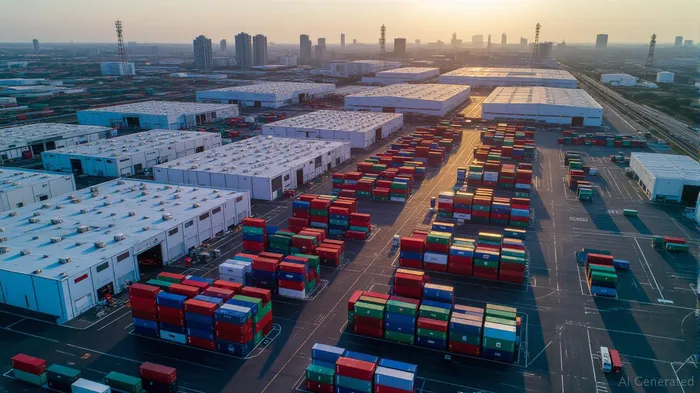
Logistics: The Gatekeepers of Nearshoring
Third-party logistics (3PL) firms are the unsung heroes of this transformation. Companies like C.H. Robinson (CHRW) and Expeditors (EXPD) are expanding rapidly in Mexico and Vietnam, where they manage the complexities of cross-border shipping, customs clearance, and regional distribution. Their services are indispensable as firms shift production closer to end markets.
Investment Play:
- Equity Picks: CHRWCHRW-- and EXPD are well-positioned to capitalize on nearshoring. Both have robust networks in key regions and benefit from rising demand for just-in-time delivery and real-time supply chain visibility.
- ETF Option: The iShares Transportation ETF (IYT) includes these firms and offers diversified exposure to the logistics sector.
Materials: Semiconductor and Tech-Savvy Plays
Semiconductors, the backbone of modern technology, are a prime example of how materials sectors are being reshaped by tariffs. U.S. and Asian manufacturers are accelerating investments in domestic chip production to avoid reliance on Chinese suppliers. Taiwan Semiconductor Manufacturing (TSM), the world's largest contract chipmaker, is expanding its U.S. and Japan operations—a move that aligns with Kfuri's emphasis on “strategic shoring.”
Beyond semiconductors, materials companies with exposure to infrastructure projects are also beneficiaries. For instance, Vulcan Materials (VMC), a U.S. leader in aggregates and asphalt, supplies the building blocks for roads and ports—critical to nearshored manufacturing ecosystems.
Infrastructure: Building the Pathways of Tomorrow
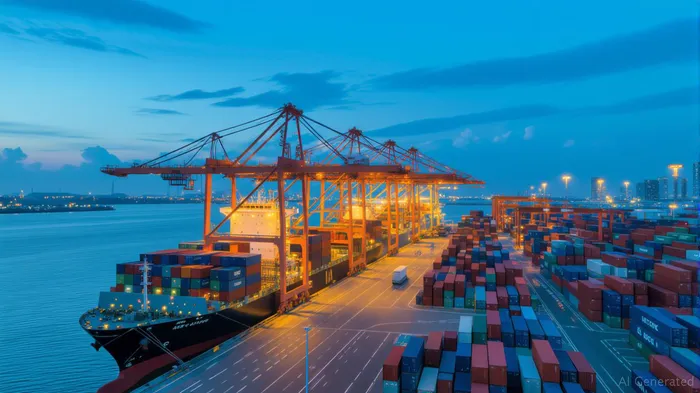
The reconfiguration of supply chains demands upgraded infrastructure. Ports, warehouses, and cross-border transport corridors are now strategic assets. In Southeast Asia, Singapore's PSA International and Vietnam's Vinalink are expanding capacity to handle rising intra-regional trade. Meanwhile, U.S. firms like Werner Enterprises (WERN) are leveraging Free Trade Zones (FTZs) to defer tariff costs—a tactic Kfuri calls “tariff deferral engineering.”
Investment Play:
- ETF Option: The SPDR S&P Global Infrastructure ETF (SIM) tracks companies involved in ports, railways, and logistics hubs, offering exposure to infrastructure critical to supply chain resilience.
The Tech Edge: Automation and Data-Driven Solutions
The reconfigured supply chains of tomorrow will rely heavily on automation and real-time data. Firms like KION Group, a global leader in warehouse automation, and Trimble Inc. (TRMB), which provides logistics software solutions, are at the forefront. These companies enable the “visibility” and agility Kfuri identifies as essential for navigating tariff volatility.
Risks and Considerations
While the nearshoring trend is robust, investors must remain vigilant. Geopolitical tensions could flare anew, and some regions may face retaliatory tariffs. Additionally, overcapacity in certain sectors or a sudden downturn in global trade could pressure valuations.
Conclusion: Positioning for the New Supply Chain Order
The tariff-driven supply chain reconfiguration is a multiyear trend with clear investment opportunities. Logistics firms, materials companies tied to critical infrastructure, and tech-enabled solutions providers are all beneficiaries. As Kfuri advises, “The companies that thrive will be those that blend proximity, agility, and data-driven decision-making.”
For investors, this means:
1. Prioritize 3PL leaders like CHRW and EXPD for their regional expertise.
2. Look to semiconductor plays like TSMTSM-- and materials firms like VMCVMC-- for infrastructure buildout.
3. Use ETFs such as IYT and SIM to diversify across sectors.
In a world where supply chains are becoming battlegrounds for trade wars, the winners will be those who adapt first—and invest wisely.
Data as of July 2025. Past performance does not guarantee future results. Consult a financial advisor before making investment decisions.

Stay ahead of the market.
Get curated U.S. market news, insights and key dates delivered to your inbox.
AInvest
PRO
AInvest
PRO



Comments
No comments yet