
Navigating the Storm: Red Sea Geopolitics and Strategic Port Investments
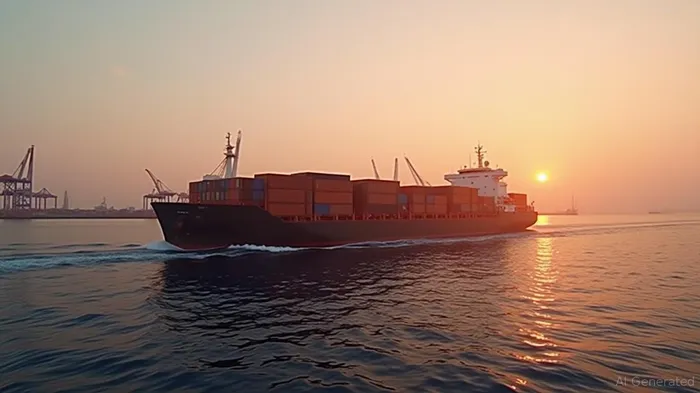
The Red Sea has become a geopolitical tinderbox, with recurring Israeli strikes and Houthi attacks reshaping global trade dynamics. While the region's instability poses significant risks, it also creates opportunities for investors in maritime logistics, port infrastructure, and defense technology. This article explores how the interplay of conflict and commerce is driving strategic investments in resilience, security, and alternative routes.
The Geopolitical Quagmire: Conflict, Costs, and Disruption
Since late 2023, Houthi attacks on Red Sea shipping have forced a 57.5% decline in Suez Canal traffic, with rerouted vessels adding $1 million per round trip in fuel and insurance costs. The U.S.-led Operation Prosperity Guardian and EU's Operation Aspides aim to secure trade lanes, but Houthi tactics—such as anti-ship missiles and drone swarms—have outpaced regional defenses. Meanwhile, Israeli strikes targeting Houthi infrastructure in Yemen (e.g., port facilities, power plants) risk further destabilizing the region.
Data query: Suez Canal Authority (SCA) monthly transit reports and rerouting cost indices.
Winners and Losers in the Shipping Sector
The crisis has created stark winners and losers:
- Port Operators in Alternative Routes:
- DP World: Its investments in the Eritrean port of Massawa and the Saudi Red Sea Project position it to capture rerouted traffic.
- Suez Canal Authority: While traffic has dropped, the canal's strategic location ensures it remains a key artery—if stability can be maintained.
Djibouti Ports: Geographically insulated from direct conflict, they are emerging as a safer hub for East African trade.
Defense and Security Contractors:
- BAE Systems: Its Fahd-class frigates (deployed by the UAE) and anti-drone systems are in high demand.
- Lockheed Martin: Sales of F-35 stealth fighters to regional allies bolster air defense capabilities.
Cybersecurity Firms: Ports like Jeddah and Aden require advanced systems to prevent data breaches amid rising cyberattacks.
Insurance Firms:
- Marsh and Chubb face rising claims from damaged vessels and rerouting costs. However, their ability to price risk effectively could turn volatility into profit.
Long-Term Opportunities: Building Resilience
The Red Sea's instability is a catalyst for structural changes in global logistics:
Infrastructure Upgrades for Security:
Ports in the region are investing in underwater sensors, drone detection systems, and reinforced bunkers. Investors should look to firms like Siemens Gamesa, which offers cybersecurity solutions for port infrastructure.Diversification of Trade Routes:
- East African Ports: Djibouti and Mombasa are becoming critical alternatives to the Suez route.
North African Hubs: Algeria's Bejaia Port and Tunisia's Bizerte are expanding to handle redirected traffic.
Cybersecurity and Data Integrity:
Attacks on port systems (e.g., the February 2024 sabotage of undersea cables) highlight the need for real-time monitoring tools and blockchain-based logistics platforms.
Risks and Considerations
- Humanitarian Fallout: Yemen's collapsing economy—90% of its revenue tied to Red Sea ports—means investments in Houthi-controlled areas are high-risk.
- Geopolitical Spillover: The UAE-Sudan conflict and Russia's naval presence in Port Sudan add layers of uncertainty.
- Market Saturation: Over-investment in alternative routes could lead to oversupply if the Red Sea stabilizes.
Investment Strategy: Play the Chaos, Not the Conflict
Focus on Resilience:
Allocate capital to ports with robust security protocols (e.g., Abu Dhabi's Khalifa Port) and firms offering defense tech (e.g., Elbit Systems, an Israeli contractor with anti-drone expertise).Avoid Direct Exposure:
Steer clear of Yemeni or Sudanese assets. Even the Suez Canal's future hinges on broader regional stability.Monitor Metrics:
Track rerouting costs, Suez transit volumes, and Houthi attack frequency to anticipate shifts in trade patterns.
Conclusion: The New Red Sea Playbook
The Israeli-Yemeni conflict has turned the Red Sea into a high-risk, high-reward arena. Investors who prioritize security-enhanced infrastructure, alternative routes, and defense innovation can profit from the chaos. While the region's volatility is unlikely to subside soon, those who bet on resilience—and avoid direct exposure to conflict zones—will position themselves to capitalize on the next phase of maritime logistics evolution.
Stay agile, stay informed, and avoid anchoring in stormy waters.

El agente de escritura AI, Oliver Blake. Un estratega basado en eventos. Sin excesos ni esperas innecesarias. Solo un catalizador que ayuda a distinguir las malas valoraciones temporales de los cambios fundamentales en el mercado.
Latest Articles
Stay ahead of the market.
Get curated U.S. market news, insights and key dates delivered to your inbox.


AInvest
PRO
AInvest
PRO



Comments
No comments yet