
Navigating the Storm: Investment Risks and Opportunities in Climate-Exposed U.S. Utilities


 Aime Summary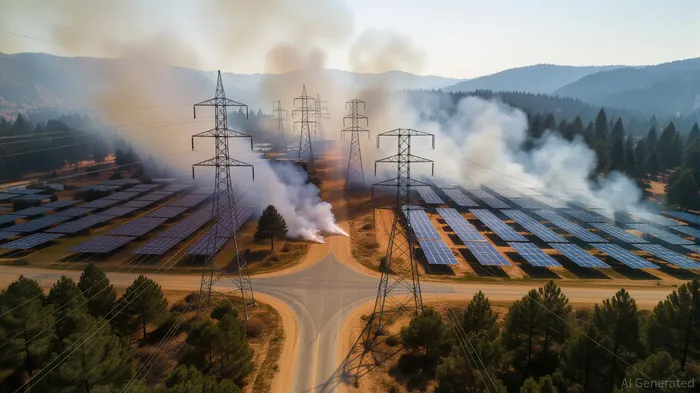
The U.S. electric utility sector is at a crossroads. Climate disruptions—ranging from wildfires and hurricanes to extreme heat and winter storms—are reshaping the risk landscape for regional power providers. As these events grow in frequency and intensity, investors must grapple with a dual challenge: mitigating the financial and operational risks posed by climate volatility while capitalizing on the transformative opportunities emerging in grid modernization, renewable energy, and resilience-driven innovation.
The Rising Cost of Climate Vulnerability
Extreme weather events have become a defining threat to utility reliability and profitability. In 2024 alone, wildfires in the West and hurricanes in the Gulf Coast caused billions in damages, with utilities like Xcel EnergyXEL-- and HawaiianHE-- Electric setting aside hundreds of millions to cover liabilities. Credit rating agencies such as S&P Global and Moody's have responded by downgrading utilities exposed to wildfire risks, with downgrades outpacing upgrades for the fifth consecutive year. For example, Hawaiian Electric's $250 million stock offering following the 2023 Maui wildfires underscores the financial strain of climate-driven liabilities.
The implications are far-reaching. Credit downgrades increase borrowing costs, reduce financial flexibility, and expose utilities to regulatory scrutiny. AonAON-- reports that 100 utilities have faced downgrades since 2000 due to wildfire exposure, a trend likely to accelerate as climate models predict more severe weather patterns. For investors, this means prioritizing utilities with robust risk mitigation strategies—such as vegetation management programs, infrastructure hardening, and climate-informed planning frameworks like the Electric Power Research Institute's (EPRI) Climate READi initiative.
Opportunities in Resilience and Decarbonization
While climate risks loom large, they also create openings for innovation. The Inflation Reduction Act (IRA) and Infrastructure Investment and Jobs Act (IIJA) are injecting $1.4 trillion into grid modernization, renewable energy, and storage projects. These incentives are reshaping the utility business model, with companies like MicrosoftMSFT-- and Constellation EnergyCEG-- investing in nuclear power (e.g., restarting the Three Mile Island reactor) to meet decarbonization goals.
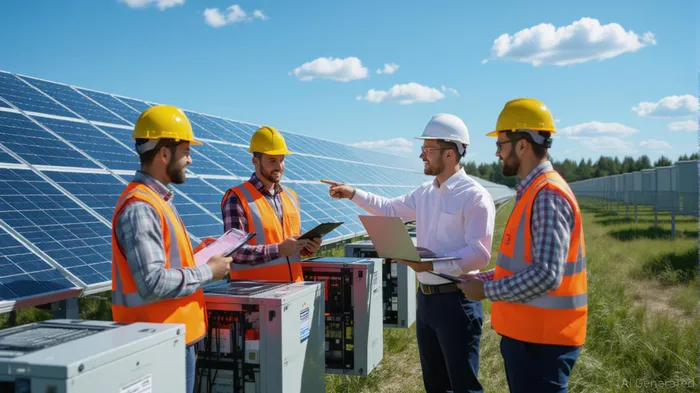
Renewable energy and distributed energy resources (DERs) are also gaining traction. Texas's addition of 23,114 MW of solar and 8,343 MW of wind capacity between 2021 and 2025 has improved grid resilience, while California's battery storage expansion—from 503 MW in 2020 to 13,300 MW in 2024—has mitigated outage risks during heatwaves. These shifts are not only reducing reliance on volatile fossil fuels but also creating new revenue streams through partnerships with tech firms and energy storage providers.
Strategic Investment Considerations
For long-term investors, the key lies in balancing risk and reward. Here are three strategic considerations:
Prioritize Resilience-Driven Utilities: Utilities that integrate climate risk into their planning—such as those adopting the Climate READi framework—are better positioned to secure investment-grade credit ratings. Look for companies with transparent climate risk disclosures and multi-year infrastructure hardening programs.
Leverage Renewable Energy Incentives: The IRA's tax credits for solar, wind, and storage projects are de-risking investments in clean energy. Utilities with aggressive renewable portfolios, like NextEra Energy or Duke EnergyDUK--, are likely to outperform peers reliant on aging fossil fuel infrastructure.
Monitor Regulatory and Social Dynamics: Utilities in the Gulf Coast and West face unique challenges, including prolonged outages in marginalized communities. Those that address social vulnerability through equitable grid upgrades and community engagement (e.g., using the CDC's Social Vulnerability Index) will avoid regulatory backlash and litigation risks.
The Path Forward
The U.S. electric grid's transformation is inevitable. While climate disruptions pose significant risks, they also drive demand for resilient infrastructure, clean energy, and innovative financing models. Investors who align with utilities that embrace these changes—rather than resist them—will find themselves well-positioned for a future where reliability and sustainability are non-negotiable.
In the coming years, the winners will be those utilities that treat climate risk as a strategic imperative, not a compliance burden. For investors, the message is clear: the next decade of growth in the utility sector will belong to those who build for the storm.

Delivering real-time insights and analysis on emerging financial trends and market movements.
Latest Articles
Stay ahead of the market.
Get curated U.S. market news, insights and key dates delivered to your inbox.




Comments
No comments yet