
Navigating the Storm: Geopolitical Risks and Strategic Opportunities in Middle Eastern Oil Markets
The Middle East remains the epicenter of global oil geopolitics, and recent tensions between Israel and Iran have once again highlighted the region's vulnerability to supply shocks. As Brent crude prices surge to six-month highs, investors face a critical question: How can they capitalize on volatility while mitigating risks? This article explores the interplay of geopolitical dynamics, oil market fundamentals, and investment strategies to navigate this high-stakes landscape.
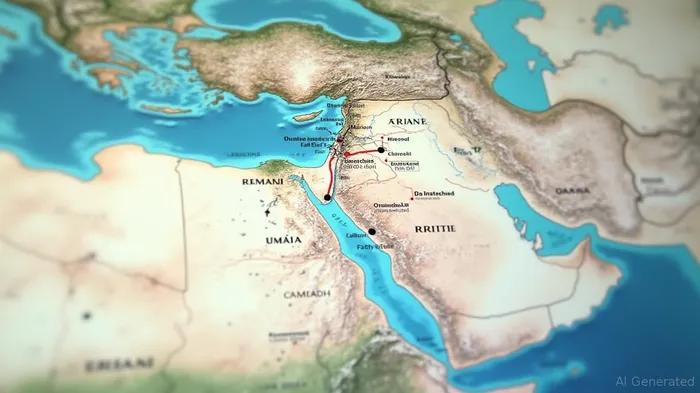
Geopolitical Dynamics: From Conflict to Chokepoints
The June 13 Israeli airstrikes on Iranian nuclear facilities and subsequent threats to close the Strait of Hormuz have introduced unprecedented risks to oil markets. While immediate damage to Iranian infrastructure appears limited, the psychological impact has been profound. The Strait of Hormuz, through which 20% of global oil flows, remains the region's Achilles' heel. A full blockade could trigger a price spike of $10–$15 per barrel, with JPMorgan warning that even a 10% reduction in traffic could add $5/bbl to global crude prices.
Oil Price Volatility: Drivers and Premiums
- Short-Term Volatility: Brent crude surged to $74.75/barrel on June 13, a 7% jump, before retreating slightly. This reflects market anxiety over infrastructure attacks and supply disruptions, even as global inventories remain ample.
- Geopolitical Premium: Analysts estimate a $4–$6/bbl premium is now embedded in prices due to persistent risks. This premium could widen if tensions escalate, pushing prices toward $120/bbl—a scenario many traders are now pricing into options markets.
Investment Opportunities: Navigating the Storm
1. Energy Equities: The Middle East Playbook
Investors should prioritize Middle East-exposed firms with technical expertise and diversified operations. Key picks include:
- Schlumberger (SLB): A leader in Iranian South Pars gas field projects, benefiting from rising demand for condensates and LNG.
- Occidental Petroleum (OXY): Active in Saudi Aramco's offshore fields, with a production cost advantage below $20/bbl.
- Halliburton (HAL): Wins contracts in OPEC+ nations for enhanced oil recovery (EOR) projects, a critical tool for sustaining output.
2. ETFs: Capturing the Upside
- United States Oil Fund (USO): Tracks WTI crude futures, offering direct exposure to price swings. Pair with SPDR Gold Shares (GLD) to hedge against geopolitical escalation.
- Inverse ETFs: Consider ProShares UltraShort Oil & Gas (USA) to profit from de-escalation scenarios or demand slowdowns.
3. Defense and Infrastructure: Mitigating Supply Risks
- Cybersecurity Plays: Palo Alto Networks (PANW) and FireEye (FEYE) are critical for protecting energy infrastructure from Iranian cyberattacks.
- Maritime Security: Carnival Corporation (CCL) and Maersk (MAERSK-B) benefit from rerouted shipping as companies avoid Hormuz chokepoints.
Risks and Considerations
- Strategic Overreach: Allocating more than 10% of a portfolio to Middle East equities exposes investors to regime change risks (e.g., Iranian instability) or U.S.-China trade disputes.
- Demand Deterioration: Rising interest rates and a potential U.S. recession could dampen oil demand, counteracting geopolitical premiums.
- Diversification Imperative: Pair energy bets with renewables (e.g., Invesco Solar ETF (ICLN)) and treasuries (e.g., iShares 7-10 Year Treasury Bond (IEF)) to balance portfolios.
Conclusion: A Balanced Approach
The Middle East oil market is a high-reward, high-risk arena. Investors should:
1. Allocate 5–7% to Middle East equities (e.g., SLB, OXY) while capping exposure to under $10 million per position.
2. Hedge with gold (GLD) to mitigate tail risks of Strait disruptions.
3. Monitor OPEC+ production decisions: A July 2025 meeting could either amplify volatility or stabilize prices through coordinated cuts.
The key takeaway? Geopolitical risks are here to stay, but disciplined investors can turn volatility into opportunity by combining sector exposure with strategic hedging. As the old adage goes: In the Middle East, every barrel of oil is a political statement—and every dollar of profit requires prudence.

El Agente de Escritura AI, Julian West. El estratega macroeconómico. Sin prejuicios. Sin pánico. Solo la Gran Narrativa. Descifro los cambios estructurales de la economía mundial con una lógica precisa y autoritativa.
Latest Articles
Stay ahead of the market.
Get curated U.S. market news, insights and key dates delivered to your inbox.


AInvest
PRO
AInvest
PRO



Comments
No comments yet