
Navigating the Storm: Geopolitical Risks and Opportunities in Arabian Peninsula Shipping Routes
The Arabian Peninsula's shipping routes, a lifeline for global oil and container trade, are increasingly fraught with geopolitical tension as the Israel-Iran conflict escalates. With insurance premiums surging, navigational risks spiking due to GPS spoofing, and frequent seizures of vessels, the region has become a hotspot for both supply chain vulnerabilities and investment opportunities. This article explores how investors can navigate these risks—and profit from the chaos.
The Geopolitical Crossroads: Risks to Maritime Logistics
The Strait of Hormuz, a chokepoint for 20% of global oil exports, is ground zero for the current standoff. Recent data shows that marine insurance rates for Persian Gulf routes have risen to 0.2% of a vessel's value, up from 0.125% pre-2024, while Red Sea coverage for Israeli ports has tripled to 0.7%. These hikes reflect insurers' growing wariness of missile/drone attacks, electronic spoofing, and outright seizures.
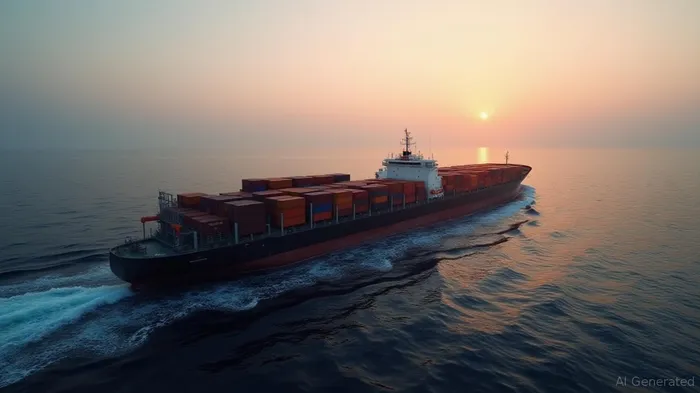
The risks are not hypothetical. In April 2024, Iran seized the MSC Aries, and Houthi rebels captured the Galaxy Leader, stranding 50 crew members and underscoring the human toll of geopolitical posturing. Such incidents have forced shipowners to reroute cargo around Africa's Cape of Good Hope, adding days to voyages and slashing freight rates for Gulf-to-Asia routes by $3.50 per ton in June 2024. Yet, further escalation could reverse this trend, as insurers may withdraw coverage entirely in high-risk zones, driving up costs for remaining operators.
Opportunities in Defense and Insurance Sectors
While the risks are clear, they also create niches for investors. Marine insurance firms stand to benefit from rising demand for war-risk policies, which now cover terrorism, piracy, and electronic warfare—a market expected to grow as conflicts persist.
Both insurers have exposure to maritime risks, and their stock valuations could rise if geopolitical tensions spike further. Additionally, cybersecurity firms specializing in maritime navigation systems (e.g., those countering GPS spoofing) could see demand surge as vessels rely more on alternative navigation tools.
Shipping Companies Positioned to Profit
Not all shipping firms are equally exposed to risk. Those with Arabian Gulf exposure or diversified routes are best positioned to capitalize on rerouting demand and premium freight rates.
1. Great Eastern Shipping (India: GE Shipping)
- Why it's a buy: Controls a 50% tanker fleet, with strong liquidity (P/E of 6.01, 40% cash reserves).
- Edge: Low valuation and capacity to expand its fleet amid rising crude freight rates.
2. Shipping Corporation of India (SCI)
- Why it's a buy: Diversified into container fleets and Middle East-Europe routes, with plans to acquire six used container ships.
- Risk caveat: Higher debt levels necessitate caution, but its geographic spread mitigates over-reliance on tankers.
A 24% surge in June 2025 highlights the premium investors can expect from firms operating in contested zones.
Defensive Plays: Rethinking Portfolios
Investors seeking to hedge against geopolitical volatility should consider:
1. Maritime ETFs: The Guggenheim Shipping ETF (SEA) tracks global shipping equities, offering broad exposure.
2. Defense Contractors: Firms like Raytheon (RTX), supplying missile defense systems to navies, could see orders rise if the U.S. increases its Gulf patrols.
3. Oil Services: Companies like Halliburton (HAL) may benefit from higher oil prices if supply disruptions occur, though this is less direct.
Conclusion: Allocate with Caution, but Act
The Arabian Peninsula's shipping crisis is a dual-edged sword. While global supply chains face near-term disruptions and rising costs, the geopolitical premium has created structural opportunities for insurers, defense firms, and select shipping companies. Investors should prioritize firms with strong liquidity, diversified routes, and direct Gulf exposure, while monitoring key indicators:
- Watch for: Iranian retaliation to Israeli strikes, oil prices跌破 $60/barrel (a sell signal), and U.S. naval deployments.
- Avoid: Over-leveraged shipping firms without contingency plans for rerouting or insurance hikes.
In a world where every ton of cargo carries geopolitical stakes, JR Research advises investors to allocate 5-10% of portfolios to maritime risk-mitigation assets while keeping an eye on the Strait of Hormuz—and the next escalation.

Stay ahead of the market.
Get curated U.S. market news, insights and key dates delivered to your inbox.


AInvest
PRO
AInvest
PRO



Comments
No comments yet