
Navigating the Skies: Assessing Energy Infrastructure Risks and Airport Proximity
 Aime Summary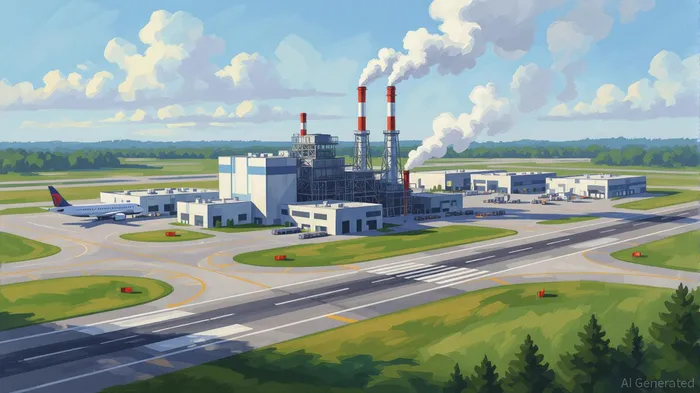
In the ever-evolving landscape of energy infrastructure, the intersection of power generation and critical transportation hubs presents a complex web of risks and opportunities. Nowhere is this tension more evident than in Alliant Energy's proposed gas-fired power plant near the Eastern Iowa Airport. This project, while strategically aligned with the company's broader energy goals, has sparked a heated debate over safety, regulatory compliance, and long-term economic viability. For investors, the case study offers a microcosm of the challenges facing energy developers in an era of heightened infrastructure scrutiny.
The Conflict: Power, Airspace, and Safety
Alliant Energy's proposed 650-megawatt combined-cycle gas plant, slated for the Big Cedar Industrial Center in Fairfax, Iowa, sits just four miles from the Eastern Iowa Airport's main runway and less than two miles from the planned third runway. Airport officials, led by Director Marty Lenss, have raised alarms about potential hazards:
1. Air Turbulence: Heated exhaust emissions from 190–250-foot stacks could create updrafts, destabilizing aircraft during critical flight phases.
2. Visibility Reduction: Vapor plumes from the plant might obscure runways, exacerbating landing challenges in poor weather.
3. Operational Efficiency: Altered flight patterns to avoid the plant could reduce the airport's capacity, undermining its role as a regional economic engine.
The airport has commissioned a $67,060 study by Foth Infrastructure & Environment to evaluate these risks, with results expected by early 2026. Meanwhile, Alliant EnergyLNT-- insists it is “open to collaboration” with local stakeholders, though airport officials have requested alternative sites to mitigate conflicts.
Regulatory and Financial Implications
The project's approval hinges on navigating a dual regulatory framework:
- Federal Aviation Administration (FAA) Guidelines: The FAA's strict airspace regulations could force costly design modifications or even halt the project if safety thresholds are not met.
- Iowa Utilities Commission (IUC) Approval: Alliant plans to submit the proposal for review as early as October 2025, but delays from the airport's study and public consultations could extend timelines.
From a financial perspective, Alliant Energy's debt-to-EBITDA ratio of 5.73x (as of December 2024) raises questions about its ability to absorb potential project overruns. The company's $11.5 billion capital expenditure plan for 2025–2028 includes renewable energy projects, but the Fairfax plant's fate could strain liquidity if regulatory hurdles persist.
Investment Opportunities and Risks
For investors, the project underscores the dual-edged nature of energy infrastructure investments. On one hand, Alliant's push for a balanced energy portfolio—including 1,000 MW of wind additions in Iowa—positions it as a key player in decarbonization. On the other, proximity to critical infrastructure like airports introduces idiosyncratic risks that could ripple through its valuation.
Opportunities:
- Renewable Synergy: If the gas plant is reconfigured or relocated, Alliant could pivot to a hybrid model, integrating solar or hydrogen storage to align with net-zero targets.
- Grid Modernization: The company's $600 million in 2025 senior debentures highlights its commitment to grid resilience, a growing investor priority.
Risks:
- Regulatory Delays: A protracted approval process could delay revenue recognition and increase costs.
- Reputational Damage: Failure to address airport concerns could erode trust with local stakeholders, complicating future projects.
Strategic Considerations for Investors
- Monitor the Foth Study: The findings will determine whether the airport can approve the project or force Alliant to abandon the site. A negative outcome could prompt a 10–15% drop in LEI's stock price.
- Evaluate Alternative Sites: If Alliant pivots to a less controversial location, it could unlock value by avoiding operational conflicts and securing quicker IUC approval.
- Track Renewable Integration: Investors should assess how the Fairfax plant fits into Alliant's broader energy mix. A shift toward renewables could mitigate long-term exposure to fossil fuel volatility.
Conclusion: Balancing Power and Progress
The Alliant Energy case exemplifies the delicate balance energy developers must strike between growth and public safety. For investors, the key lies in evaluating how well the company can navigate regulatory, environmental, and community challenges. While the proposed gas plant poses immediate risks, Alliant's broader investments in renewables and grid modernization suggest a forward-looking strategy. However, the outcome of the Fairfax project—and its impact on the Eastern Iowa Airport—will serve as a critical test of the company's ability to adapt in an increasingly complex infrastructure landscape.
As the October 2025 IUC deadline looms, investors should remain vigilant. The intersection of energy and aviation is not just a technical debate—it's a litmus test for the future of infrastructure development in the 21st century.

Delivering real-time insights and analysis on emerging financial trends and market movements.
Latest Articles
Stay ahead of the market.
Get curated U.S. market news, insights and key dates delivered to your inbox.
AInvest
PRO
AInvest
PRO



Comments
No comments yet