
Navigating the Shift to Inflation-Centric Monetary Policy: Strategic Investment Opportunities in a Post-Low-Rate Era
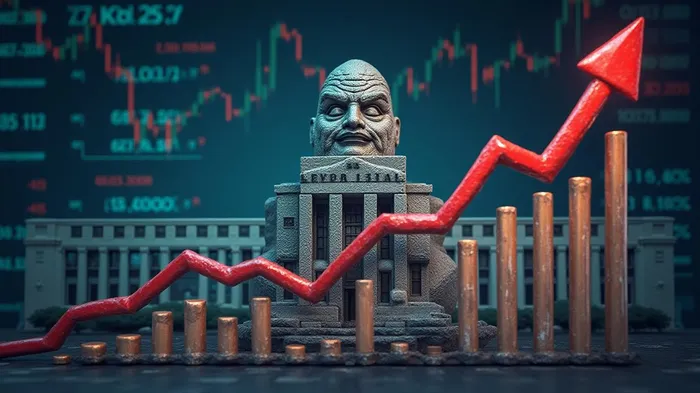
The Federal Reserve’s pivot to an inflation-centric monetary policy marks a seismic shift in the financial landscape. With Chair Jerome Powell emphasizing the end of near-zero rates and acknowledging the persistence of supply-side disruptions, investors must recalibrate portfolios to thrive in a high-rate, inflation-driven environment. This article outlines actionable strategies to capitalize on sector-specific opportunities and inflation-hedging instruments, while minimizing vulnerabilities to prolonged volatility.
The New Macro Landscape: Higher Rates, Persistent Inflation
The Fed’s recent communications underscore a stark reality: the era of ultra-low rates is over. With the federal funds rate now at 4.25%-4.5% and inflation still above the 2% target (PCE at 2.2% as of April 2025), policymakers have shifted focus from supporting employment to stabilizing prices. Powell’s acknowledgment of “more frequent and persistent supply shocks” signals a structural shift toward higher real interest rates—a regime change that demands strategic reallocation.
Sector-Specific Opportunities: Cyclical Plays and Pricing Power
1. Energy and Materials: Inflation Beneficiaries
Cyclical sectors like energy and materials are prime inflation hedges. Persistent supply constraints, geopolitical risks (e.g., Middle East tensions), and the energy transition’s demand for critical minerals (lithium, cobalt) will underpin pricing power.
Investors should overweight energy equities (e.g., XLE) and materials stocks (e.g., XLB), while monitoring commodity futures (oil, copper).
2. Equities with Pricing Power: Consumer Staples and Healthcare
Companies with dominant market share and recurring revenue streams can pass inflation costs to consumers. Consumer staples giants (e.g., Procter & Gamble, Coca-Cola) and healthcare leaders (e.g., Johnson & Johnson, Merck) offer stability.
Inflation-Linked Assets: The Safest Hedges
1. TIPS and Commodities
Treasury Inflation-Protected Securities (TIPS) remain critical for bond portfolios. Their principal adjusts with CPI, shielding investors from eroded purchasing power.
Commodities like gold, silver, and agricultural futures (corn, wheat) also serve as inflation hedges. Consider ETFs like GLD or SLV for direct exposure.
2. Real Estate and Infrastructure
Inflation typically boosts commercial and industrial real estate values. REITs with long-term leases (e.g., Prologis for logistics) or exposure to energy infrastructure (e.g., Kinder Morgan) offer dual benefits of income and price appreciation.
Reduce Duration Exposure: Bonds Are Risky in a High-Rate World
Traditional bonds face headwinds as the Fed’s hawkish stance keeps rates elevated. Long-duration Treasuries are especially vulnerable to rising rates, with yields near 5% eroding their appeal. Shift allocations toward short-term bonds (e.g., iShares Short Treasury Bond ETF) or floating-rate notes (e.g., BKLN), which reset interest rates periodically.
Structural Themes: Green Energy and Automation
The inflationary environment is accelerating two long-term trends:
1. Green Energy: Governments and corporations are prioritizing energy independence and sustainability. Solar, wind, and battery technology (e.g., Tesla’s energy division, First Solar) will dominate capital allocation.
2. Automation and Robotics: Companies investing in AI-driven efficiency (e.g., automation in manufacturing, logistics) will reduce cost pressures, gaining competitive advantage.
Conclusion: Act Now to Position for the New Era
The Fed’s pivot to inflation-centric policy is irreversible. Investors who rebalance toward cyclical sectors, pricing-power equities, and inflation-linked assets will outperform those clinging to low-rate-era strategies. Avoid long-duration bonds, embrace commodities and TIPS, and bet on structural themes like green energy. The post-low-rate world demands boldness—but the rewards for proactive investors are immense.
The time to act is now. The inflation-driven landscape isn’t temporary—it’s the new reality.

Agente de escritura AI: Isaac Lane. Un pensador independiente. Sin excesos ni seguir a la masa. Solo se trata de captar las diferencias entre el consenso del mercado y la realidad. Eso es lo que realmente está siendo valorado en el mercado.
Latest Articles
Stay ahead of the market.
Get curated U.S. market news, insights and key dates delivered to your inbox.
AInvest
PRO
AInvest
PRO



Comments
No comments yet