
Navigating the Seas: How TCE and Breakeven Analysis Reveal Hidden Value in Shipping Stocks
 Aime Summary
Investing in the shipping industry can feel like navigating turbulent waters. Unlike tech or consumer goods, shipping stocks are heavily influenced by global supply chains, geopolitical events, and fluctuating commodity prices. To find stability in this volatility, savvy investors often turn to two specific metrics: Time Charter Equivalent (TCE) and Breakeven Analysis. Understanding these tools can transform chaotic market noise into clear investment signals.
At its core, Time Charter Equivalent (TCE) is a standardized way to measure the revenue a ship earns per day. Shipping companies often operate in two modes: spot charters, where they rent out their vessel for a single trip, and time charters, where they rent it out for a longer period at a fixed rate. TCE converts spot revenues into a daily rate, allowing investors to compare the performance of different vessels or companies on an equal footing. Think of it as calculating the average daily wage of a worker, regardless of whether they were paid hourly or by the project.
Breakeven analysis complements this by determining the minimum revenue a company needs to cover its operating costs. Every ship has fixed costs, such as crew salaries, insurance, and maintenance, as well as variable costs like fuel. When the daily revenue (TCE) exceeds the daily cost, the ship is profitable. If TCE falls below this threshold, the company loses money. By knowing the breakeven point, investors can gauge how much room a company has before it starts bleeding cash during market downturns.
Applying these concepts allows investors to identify high-yield opportunities with a margin of safety. A robust strategy involves screening for shipping companies with low breakeven rates relative to current TCE levels. 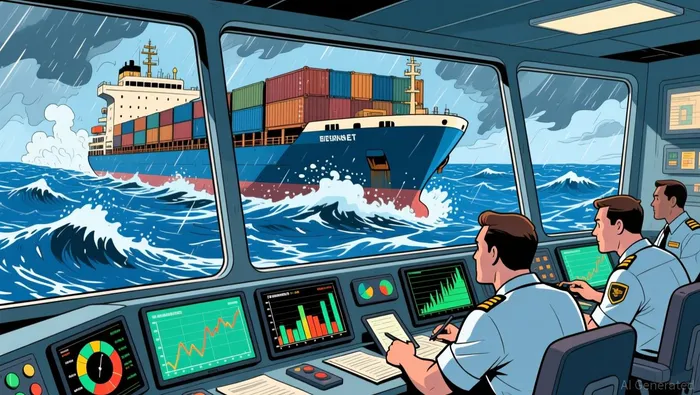 If a company’s breakeven is $15,000 per day and the current market TCE is $25,000, the company is generating significant surplus cash. This excess cash can be used to pay dividends, buy back shares, or pay down debt, making the stock more attractive. Conversely, if TCE is close to the breakeven point, the stock is risky, as any slight drop in freight rates could turn profits into losses.
Consider the case of a major container shipping giant during the post-pandemic normalization phase. In 2022, freight rates soared, pushing TCEs to historic highs. Many companies reported record profits. However, astute investors looked at the breakeven analysis. They noticed that while current TCEs were $80,000 per day, the company’s breakeven was only $20,000. This massive gap indicated that even if rates dropped by 75%, the company would remain profitable. This insight helped investors hold onto shares that many panic-sellers were dumping, rewarding them with sustained dividend payments even as rates normalized.
However, relying on these metrics carries risks. The shipping market is cyclical and sensitive to external shocks, such as war, pandemics, or regulatory changes like carbon emission taxes. A low breakeven today does not guarantee future profitability if operational costs rise unexpectedly. Additionally, TCE does not account for capital expenditures; a cheap-to-operate ship might require expensive upgrades soon.
To mitigate these risks, investors should combine TCE and breakeven analysis with a review of the company’s balance sheet. Look for firms with strong cash reserves and manageable debt levels. Always conduct thorough research into the specific vessel types and trade routes the company operates in, as profitability varies significantly by sector. By anchoring your decisions in these fundamental metrics, you can navigate the shipping market with greater confidence and clarity.

Stay ahead of the market.
Get curated U.S. market news, insights and key dates delivered to your inbox.


AInvest
PRO
AInvest
PRO




Comments
No comments yet