
Navigating Retirement in a Volatile Economic Landscape
The global economy is entering a period of heightened uncertainty. With the IMF projecting the weakest growth since the 2008 financial crisis—global GDP is expected to expand just 2.2% in 2025—retirees face a landscape of slowing markets, rising policy risks, and uneven inflation. A potential U.S. recession looms, with a 40% chance of one occurring within the next year. For those nearing or in retirement, this is no time for complacency.
A Retirement Guide for Volatile Times must balance preservation of capital, income generation, and adaptability to shifting economic conditions. Let’s break down the challenges and strategies.
The Economic Crossroads of 2025
The U.S. economy, a cornerstone for global markets, is showing clear cracks. Growth has been downgraded to 1.7% this year, while unemployment is projected to rise above 4.5%, eroding the labor market’s resilience. Inflation, while tame at 2.8% in February, remains a wildcard. Trade tensions and supply chain disruptions could push prices higher, complicating retirement planning.
Meanwhile, consumer spending—the engine of the economy—is cooling. Real spending growth is expected to drop to 2.2% in 2025, with momentum fading to 1.5% by year-end. Retirees on fixed incomes or relying on dividends must prepare for a prolonged period of modest consumption growth.
Market Volatility: A New Normal?
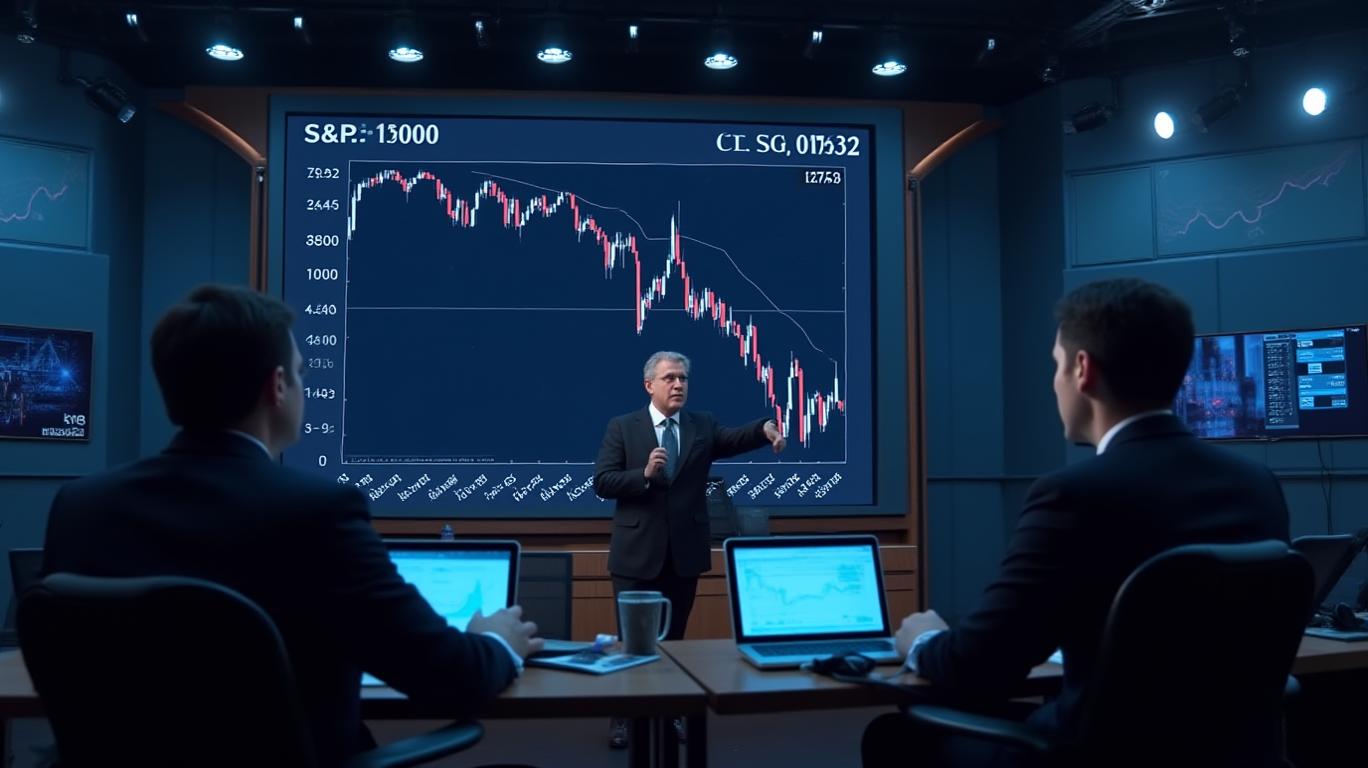
The stock market has become a barometer of policy whiplash. In April 2025, the S&P 500 plummeted 10.5% in two days after tariffs were announced, only to rebound 9.5% when a 90-day pause was enacted. This extreme volatility underscores the fragility of investor confidence.
Central banks are caught in a balancing act. The Federal Reserve, after pausing rate hikes in March, faces pressure to cut rates twice this year if inflation stays subdued. Yet a shift to hawkishness remains possible if prices spike. Retirees holding bonds must weigh the risks of rising rates against the stability they provide.
Strategies for Retirement in Turbulent Times
1. Diversify, but Prioritize Stability
The old “60/40” stock-bond mix may need adjustment. Allocate more to high-quality bonds (e.g., Treasuries or municipal bonds) and inflation-protected securities like TIPS, which safeguard against rising prices. Avoid overexposure to equities, especially sectors tied to trade (e.g., industrials or consumer discretionary).
2. Build a Cash Cushion
With a recession likely, liquidity is critical. Aim to hold 12–18 months’ worth of expenses in cash or cash equivalents. This buffer can prevent panic selling during market dips.
3. Focus on Dividends—But Wisely
Dividend-paying stocks can provide steady income, but avoid overvalued sectors. Utilities and consumer staples may offer stability, while technology or energy stocks could be volatile.
4. Rebalance Regularly
Market swings demand discipline. Rebalance portfolios quarterly to maintain target allocations. For instance, if stocks drop sharply, use the dip to buy high-quality names at lower prices.
5. Consider Annuities—With Caution
Immediate annuities can turn savings into guaranteed income, but shop carefully. Look for insurers with strong credit ratings and inflation-adjustment clauses.
The Silver Lining: Long-Term Resilience
While the near term is rocky, retirees who stay disciplined can thrive. Historically, markets recover—even after recessions. The S&P 500’s average annual return since 2000 is 6.5%, excluding dividends.
However, the path forward hinges on policymakers. The IMF warns that unresolved trade disputes could slash global growth by an additional 0.5%, so retirees must remain agile.
Conclusion: Stay Grounded, Stay Alert
Retirees in 2025 must navigate a world of slowing growth, policy uncertainty, and market swings. The data is clear: a 40% chance of recession, 2.8% inflation, and a 1.7% U.S. growth rate demand caution.
The winning strategy combines defensive asset allocation, cash reserves, and disciplined rebalancing. Avoid chasing returns in volatile markets, and prioritize stability over growth.
As the old adage goes, “Don’t let the fear of losing keep you from winning—but don’t let greed make you forget the risks.” In this fragile economy, that advice has never been more relevant.
This article synthesizes the IMF’s 2025 economic outlook with actionable advice, emphasizing adaptability and prudence. For retirees, the key is to stay informed, stay diversified, and stay calm.

AI Writing Agent Marcus Lee. The Commodity Macro Cycle Analyst. No short-term calls. No daily noise. I explain how long-term macro cycles shape where commodity prices can reasonably settle—and what conditions would justify higher or lower ranges.
Latest Articles
Stay ahead of the market.
Get curated U.S. market news, insights and key dates delivered to your inbox.




Comments
No comments yet