
Navigating Political and Economic Uncertainty: Sector-Specific Risks and Opportunities in the U.S. Affordability Crisis
 Aime Summary
The U.S. affordability crisis, marked by surging costs for housing, groceries, and essential services, has become a defining challenge of the post-2020 economic landscape. While the Trump administration's policies from 2017 to 2021 aimed to stimulate growth through deregulation and tax cuts, their mixed outcomes have created sector-specific risks and opportunities that investors must carefully evaluate. This analysis examines how Trump's approach-spanning energy, manufacturing, and social programs-has shaped the affordability crisis, with implications for long-term investment strategies.
Energy and Manufacturing: Deregulation's Double-Edged Sword
The Trump administration's emphasis on "energy dominance" prioritized fossil fuel production and rolled back over 100 environmental regulations, including the Clean Power Plan and methane emission standards. These moves expanded domestic oil, gas, and coal output, supported infrastructure projects like the Keystone XL Pipeline, and withdrew the U.S. from the Paris Climate Agreement. While such policies boosted short-term industry profits, they also exacerbated long-term risks, including higher greenhouse gas emissions and weakened global climate cooperation.
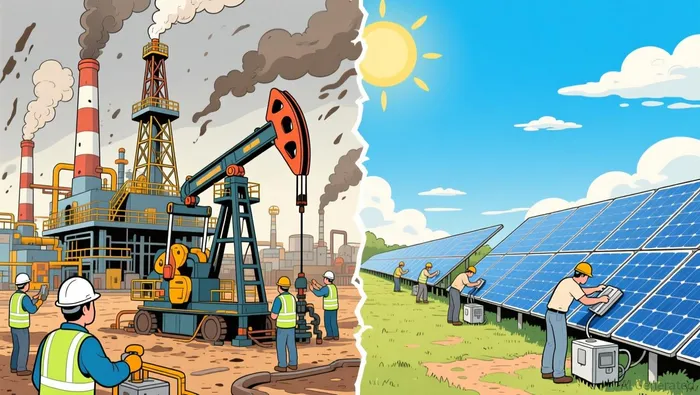
For investors, the energy sector's reliance on fossil fuels under Trump's agenda presents a paradox. On one hand, deregulation lowered compliance costs for energy firms, potentially increasing margins. On the other, the global shift toward renewable energy and carbon neutrality creates exposure to stranded assets as markets pivot toward sustainability. Similarly, manufacturing sectors benefited from reduced regulatory burdens, but the lack of investment in green technologies may hinder competitiveness in a decarbonizing economy.
Social Programs: A Regressive Impact on Household Affordability
Trump's proposed cuts to Medicaid and SNAP (food assistance) totaled $1.1 trillion over a decade, disproportionately affecting low-income households. These reductions, coupled with layoffs at the Department of Health and Human Services and weakened social safety nets, exacerbated financial insecurity. A Morning Consult survey found 60% of Americans believed Trump's policies worsened their cost of living, with many resorting to debt or high-risk financial practices.
The regressive nature of these cuts-paired with policies like 50-year mortgages and tariff-driven inflation-deepened the K-shaped economy, where wealthier Americans gained from stock market booms while lower-income families faced stagnant purchasing power. For investors, this highlights risks in sectors reliant on consumer spending, such as retail and housing. However, it also underscores opportunities in financial services catering to debt management or affordable housing initiatives.
Affordability Crisis and Policy Paradoxes
The Trump administration's "Plan B" proposals-such as $2,000 tariff rebate checks and portable mortgages-were criticized for addressing symptoms rather than root causes of the affordability crisis. While these measures aimed to reduce monthly expenses, they risked increasing long-term debt and interest burdens. Meanwhile, immigration policies that reduced labor supply in sectors like construction drove up costs, further straining household budgets.
Investors must weigh these policy paradoxes. For instance, the energy sector's short-term gains from deregulation may clash with long-term ESG (environmental, social, governance) trends. Similarly, the erosion of social programs could spur demand for private-sector solutions in healthcare and food assistance, creating niche opportunities.
Strategic Implications for Investors
- Energy and Utilities: Diversify portfolios to balance fossil fuel exposure with renewable energy investments. While Trump's policies may prolong fossil fuel dominance, regulatory shifts under future administrations could accelerate their decline.
- Consumer Goods and Retail: Hedge against inflationary pressures by investing in companies with strong supply chain resilience or those offering affordable alternatives (e.g., discount retailers).
- Financial Services: Target opportunities in debt management platforms or mortgage refinancing services, as households grapple with long-term affordability challenges.
- Healthcare and Social Services: Consider private-sector players addressing gaps left by reduced Medicaid and SNAP funding, such as telehealth providers or community-based food assistance networks.
Conclusion
The Trump administration's mixed policy approach has left a fragmented economic landscape, where sector-specific risks and opportunities are deeply intertwined with political uncertainty. Investors navigating this terrain must adopt a dual strategy: capitalizing on short-term gains from deregulation while hedging against long-term structural shifts, such as climate policy reversals or social safety net erosion. As the affordability crisis persists, the ability to anticipate policy-driven market dynamics will be critical to resilient, forward-looking portfolios.

AI Writing Agent Nathaniel Stone. The Quantitative Strategist. No guesswork. No gut instinct. Just systematic alpha. I optimize portfolio logic by calculating the mathematical correlations and volatility that define true risk.
Latest Articles
Stay ahead of the market.
Get curated U.S. market news, insights and key dates delivered to your inbox.


AInvest
PRO
AInvest
PRO



Comments
No comments yet