
Navigating Oil Market Disruptions: Analyzing the Gap Between Paper and Physical Prices
 Aime Summary
Oil is one of the most important commodities in the global economy, influencing everything from energy prices to geopolitical decisions. But not all oil is treated the same. Investors often encounter two distinct types of oil prices: 'paper prices' and 'physical prices.' Understanding the differences and how they interact can be crucial, especially during times of market disruption. At first glance, both types of prices refer to the value of oil. But their purposes and implications are quite different. The 'paper price' is the price of oil as traded on exchanges like the New York Mercantile Exchange (NYMEX) or the Intercontinental ExchangeICE-- (ICE). These are futures contracts that reflect what investors and traders expect the price of oil to be at a future date. They're not about physical delivery of oil but about the movement of capital based on market sentiment and expectations. On the other hand, the 'physical price' refers to the actual cost of buying and delivering crude oil in the real world. It is what energy companies pay to transport, store, and deliver oil to refineries or consumers. This price is influenced by logistical factors like storage costs, supply chain delays, and local demand conditions. During periods of market stress, such as geopolitical conflicts, supply chain disruptions, or sudden demand shifts, the gap between these two prices can widen significantly. For instance, in early 2020, during the oil price crash triggered by the pandemic and a price war between OPEC and Russia, the physical price of oil dropped below zero in some cases—meaning producers had to pay others to take their oil. Meanwhile, paper prices remained somewhat detached, influenced more by speculative trading and market sentiment than the real-world logistics of oil delivery. For investors, understanding this gap offers a unique perspective. It can help identify market inefficiencies or opportunities for arbitrage—profiting from price differences. For example, if physical prices fall below paper prices due to a surplus in storage, savvy investors may bet on a future convergence by investing in energy stocks that are well-positioned to benefit from the correction.
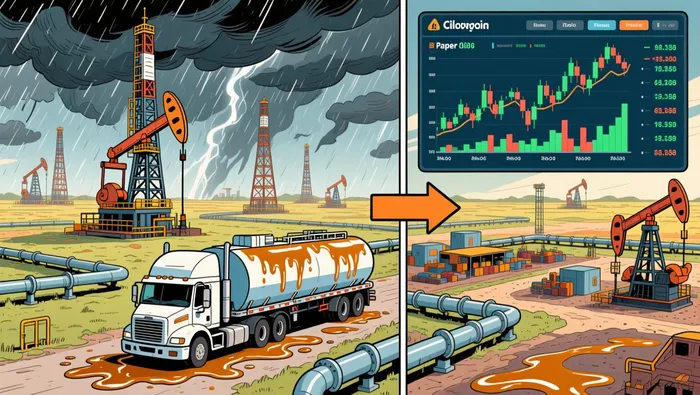
Investors can also use this knowledge to assess the health of the oil industry. A persistent wide gap might signal structural issues in supply and demand, offering insights into market fundamentals that go beyond headlines. A real-world example of this occurred in April 2020, when the price of West Texas Intermediate (WTI) crude, a major benchmark for oil prices, fell below zero in a futures contract due to a lack of storage space. At the same time, physical prices were already at rock bottom but still positive. This divergence highlighted the disconnect between speculative markets and physical market realities, providing a powerful lesson on the importance of understanding both dimensions of oil pricing. However, investing based on this knowledge is not without risks. The oil market is volatile, and sudden changes in geopolitical conditions, policy shifts, or global demand can cause unpredictable price swings. Investors should always approach with a clear strategy, a diversified portfolio, and a risk management plan in place.
In conclusion, the gap between paper and physical oil prices is a powerful indicator of market health and investor sentiment. By understanding this distinction, investors can make more informed decisions, spot emerging trends, and potentially profit from market inefficiencies. As with any investment strategy, careful research and a well-thought-out plan are essential. Navigating this gap requires both knowledge and patience, but for those who do, it can unlock valuable opportunities in one of the world’s most influential markets.

Stay ahead of the market.
Get curated U.S. market news, insights and key dates delivered to your inbox.


AInvest
PRO
AInvest
PRO



Comments
No comments yet