
Navigating the New Normal: How Fed Policy Reshapes Real Estate and Bond Markets in 2025


 Aime Summary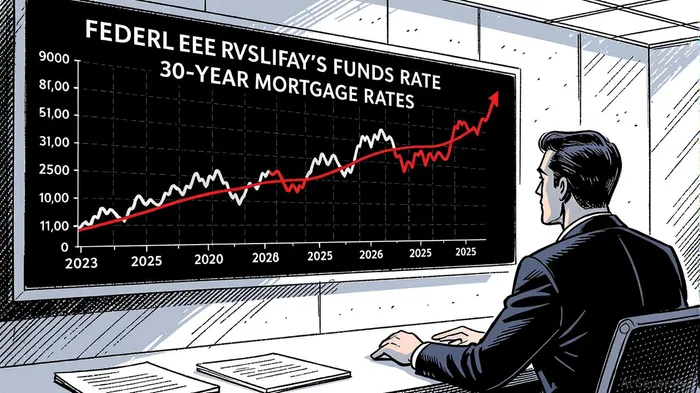
The Federal Reserve's 2025 policy shifts are creating a seismic shift in the investment landscape, particularly for real estate and bond markets. , the Fed has signaled a pivot toward rate cuts, . This shift, driven by cooling inflation and a softening labor market, is already reshaping mortgage rates, Treasury yields, and investor behavior. For long-term investors, understanding these dynamics is critical to navigating the evolving opportunities and risks.
The Fed's Tightrope: Balancing Inflation and Growth
The Fed's “wait-and-see” approach has been a double-edged sword. While the pause in rate hikes has stabilized markets, the dissenting votes from policymakers like and underscored growing concerns about economic fragility. By September, the Fed is expected to cut rates modestly, but the broader implications are far-reaching. Mortgage rates, , are likely to trend lower further, though the impact will lag. , meaning the full effects of the Fed's easing cycle may not materialize until early 2026.
Real Estate: A Tale of Two Markets
For real estate investors, the Fed's actions are a mixed bag. Residential markets are poised to benefit from lower borrowing costs, which could reignite demand for homebuyers and refinancers. However, the structural undersupply of housing—particularly in high-demand urban areas—means price gains may outpace rate-driven demand. (CRE), on the other hand, faces a more nuanced outlook. While industrial and logistics properties are gaining traction due to reshoring trends, office markets in secondary cities remain under pressure. Investors should prioritize prime locations and sectors with strong cash flow visibility, such as multi-family housing and data centers.
(MBS) are another key area of opportunity. With the Fed's rate cuts expected to drive mortgage rates lower, prepayment risk—once a major drag on MBS returns—may ease. However, seasoned MBS currently trading at discounts offer attractive entry points for long-term investors willing to lock in yields. For example, agency MBS with government guarantees provide stability, while non-agency MBS with credit enhancements can hedge against volatility.
Bonds: Yields, , and the New Normal
The bond market is also recalibrating. Treasury yields, which had surged during the 2024 tightening cycle, are now stabilizing as inflation expectations moderate. , a level that suggests a balance between growth and inflation concerns. For bond investors, this environment favors a diversified approach:
- Short-term Treasuries offer liquidity and lower duration risk.
- provide yield but require careful management of prepayment risk.
- High-quality corporate bonds remain attractive, particularly in sectors insulated from rate volatility.
The Fed's decision to reduce its holdings of agency MBS has also created dislocations in the market. Spreads between agency RMBS and investment-grade corporate bonds are at historical highs, presenting an opportunity for investors to capitalize on reversion to the mean.
Strategic Recommendations for Investors
- : Focus on high-demand sectors like multi-family housing and industrial real estate. Consider REITs861104-- with strong balance sheets and exposure to resilient markets.
- : Allocate to a mix of agency and non-agency MBS, using hedging tools like interest rate swaps to manage prepayment risk. Prioritize short- to intermediate-term Treasuries for stability.
- : Balance real assets (e.g., REITs, commodities) with fixed-income holdings to mitigate macroeconomic risks.
The Fed's 2025 policy shifts are not just a technical adjustment—they represent a structural shift in the investment environment. For investors, the key is to align strategies with the new normal: a world where lower rates coexist with lingering inflationary pressures and geopolitical uncertainties. By staying agile and data-driven, investors can position themselves to capitalize on the opportunities ahead.

Stay ahead of the market.
Get curated U.S. market news, insights and key dates delivered to your inbox.


AInvest
PRO
AInvest
PRO



Comments
No comments yet