
Navigating Market Vulnerabilities and Geopolitical Risks to Anticipate Commodity Price Shifts
 Aime Summary
In the world of investing, commodities like oil, gold861123--, and agricultural products861190-- often react sharply to unexpected events. Two key factors that drive these reactions are market vulnerabilities and geopolitical risks. Understanding how to analyze these can help investors predict price divergences—unusual swings in commodity prices that deviate from expected trends. This article breaks down how to identify these risks and use them to make smarter investment decisions.
What Are Market Vulnerabilities and Geopolitical Risks?
Market vulnerabilities refer to weaknesses in a commodity’s supply chain or market structure that make it prone to sudden price changes. For example, if a single country produces a large share of a commodity (like Russia’s role in natural gas), any disruption there can cause volatility.
Geopolitical risks are events tied to international relations, such as wars, trade wars, or sanctions. These can directly impact commodity production, transportation861085--, or demand. For instance, a conflict in a major oil-producing region can halt exports, driving up global oil prices.
How These Risks Influence Commodity Prices
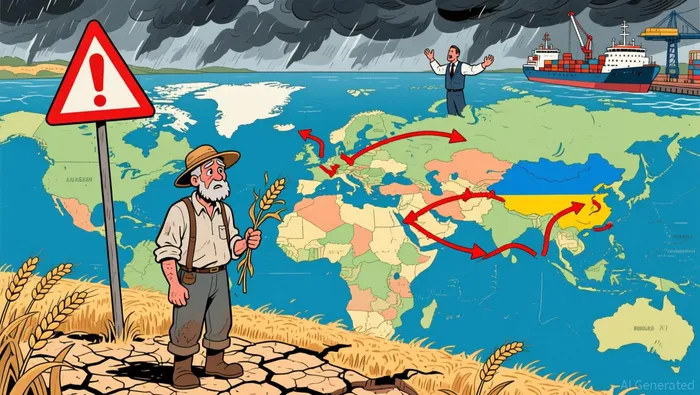
Commodities are unique because they’re essential goods with limited substitutes. When geopolitical events create uncertainty about supply, buyers may rush to stock up, pushing prices higher. Conversely, if a conflict resolves quickly, prices might plummet. Market vulnerabilities amplify these effects. For example, a drought in a major wheat-producing country (a vulnerability) could lead to panic buying if combined with a trade embargo (a geopolitical risk).
Strategies for Investors
- Monitor Risk Indicators: Track political developments in key producing regions. Tools like the Geopolitical Risk Index (GPR) analyze news about conflicts and trade tensions. Rising GPR scores often precede commodity price spikes.
- Diversify Exposure: Avoid over-reliance on single commodities or regions. For example, if you’re invested in oil, consider pairing it with gold, which often rises during geopolitical uncertainty.
- Use Futures Contracts: These allow investors to lock in prices for commodities, protecting against sudden swings. For example, a farmer might use futures to sell wheat at a fixed price before harvest, shielding against potential price drops.
Case Study: The 2022 Russia-Ukraine War
In February 2022, Russia’s invasion of Ukraine sent shockwaves through global markets. Ukraine, a top exporter of wheat and sunflower oil, saw its exports disrupted. Russia, a major natural gas865032-- supplier to Europe, faced sanctions that cut off energy flows. The result? Wheat prices surged 40% in six months, while European gas prices hit record highs. Investors who had anticipated these risks by shorting energy stocks861070-- or buying agricultural futures profited from the volatility.
Risks and Considerations
While analyzing these factors is valuable, it’s not foolproof. Geopolitical events are inherently unpredictable, and market vulnerabilities can evolve. For example, a country might diversify its energy sources, reducing its vulnerability over time. To mitigate risks: - Avoid Overleveraging: Don’t bet heavily on a single outcome. Use small positions to test your analysis. - Combine with Fundamental Analysis: Look at supply-demand fundamentals alongside geopolitical factors. A drought in a major oil-producing country might be offset by rising OPEC+ production. - Review Regularly: Update your risk assessments as political situations and market structures change.
Conclusion
Market vulnerabilities and geopolitical risks are powerful drivers of commodity price divergences. By staying informed about global events, diversifying investments, and using tools like futures contracts, investors can navigate these uncertainties more effectively. While no strategy can predict the future, understanding these dynamics provides a critical edge in managing risk and identifying opportunities in volatile markets.

Stay ahead of the market.
Get curated U.S. market news, insights and key dates delivered to your inbox.


AInvest
PRO
AInvest
PRO



Comments
No comments yet