
Navigating Market Optimism: Gold's Rally and the Implications of Upcoming FOMC Minutes


 Aime Summary
Gold's meteoric rise in 2025 has captured the attention of investors and policymakers alike, with prices nearing $3,900 per ounce as of late September. This rally is not a fleeting anomaly but a reflection of deep-seated macroeconomic forces reshaping global asset allocation strategies. From central bank interventions to shifting inflation dynamics and geopolitical risks, the interplay of these factors demands a nuanced approach to risk management and portfolio construction.
Macroeconomic Drivers of Gold's Rally
Central banks have emerged as the most influential players in gold's resurgence. According to a report by the World Gold Council, year-to-date gold purchases by central banks in 2025 have exceeded 800 tonnes, driven by diversification strategies and concerns over currency instability. This structural demand has created a robust price floor, particularly as emerging markets like China, India, and Turkey prioritize gold as a strategic reserve asset, according to a DiscoveryAlert analysis.
Simultaneously, persistent inflation and accommodative monetary policies have bolstered gold's appeal. With real interest rates remaining negative in major economies, gold has outperformed traditional asset classes such as equities and bonds, a point highlighted in the DiscoveryAlert piece. The inverse correlation between gold and the U.S. Dollar Index-now a pronounced -0.65-underscores its role as a hedge against currency devaluation. Geopolitical tensions in Eastern Europe and the Middle East have further amplified safe-haven demand, echoing historical patterns observed during the early stages of the Russia-Ukraine conflict.
FOMC Policy and Gold's Volatility
The Federal Reserve's September 2025 rate cut-lowering the federal funds rate to 4.00%-4.25%-initially triggered a sharp gold rally, pushing prices to an intraday high of $3,707 per ounce. However, this surge was short-lived, as unexpected dollar strength and rising bond yields reversed the momentum, as noted in the DiscoveryAlert analysis. The FOMC minutes revealed a cautious stance, with officials emphasizing a "risk-management strategy" over aggressive easing, citing a softening labor market and inflationary pressures.
The December 2025 FOMC minutes further complicated the outlook. According to The Gold Forecast, the Fed reduced its projected rate cut from 1% to 0.75%, signaling a more conservative approach. This adjustment led to a rise in U.S. Treasury yields, making non-yielding assets like gold less attractive. Despite a weaker dollar, gold fell for two consecutive sessions, highlighting the inverse relationship between real interest rates and gold prices, a dynamic discussed in an analysis at Feel the Candlesticks.
Asset Allocation and Risk Management in a Shifting Landscape
The breakdown of traditional stock-bond correlations and the rise of macroeconomic uncertainties have forced investors to rethink diversification strategies. According to BlackRock's 2025 Investment Directions, active portfolio management-with a growing emphasis on alternatives, commodities, and international equities-is key to addressing structural shifts in correlations. Gold's evolving role as a strategic allocation-rather than a speculative bet-aligns with this trend, as pension funds and institutional investors increasingly recognize its value in enhancing risk-adjusted returns, a point also highlighted in the DiscoveryAlert piece.
For risk management, positioning in short-duration fixed income and inflation-aware income strategies has gained traction amid sticky inflation dynamics, consistent with BlackRock's guidance. However, gold's dual role as both an inflation hedge and a safe-haven asset remains critical. As the Fed's balance sheet continues to shrink through quantitative tightening (QT), the dollar's strength could create headwinds for gold. Yet, central bank demand and geopolitical tensions are expected to offset these pressures, particularly in a stagflationary environment historically favorable to gold, as the World Gold Council report outlines.
Looking Ahead: Balancing Optimism and Caution
The December 2025 FOMC meeting, with its updated economic projections and press conference by Chair Jerome Powell, looms as a high-impact event. Investors must balance optimism about a more accommodative monetary policy-projected to see the federal funds rate decline to 3.1% by 2027-with caution over inflation stickiness and geopolitical risks, as discussed in the DiscoveryAlert analysis.
For asset allocators, the key lies in integrating gold into a diversified framework that accounts for both macroeconomic tailwinds and policy-driven volatility. As the Fed's independence faces scrutiny-exemplified by the unprecedented presence of White House economic adviser Stephen Miran at the September meeting-market uncertainty will remain a persistent theme, a concern noted in the DiscoveryAlert piece.
In this environment, gold's rally is not merely a reflection of market optimism but a barometer of systemic risks. Investors who navigate these dynamics with a macro-driven lens will be better positioned to capitalize on the opportunities-and mitigate the threats-of a rapidly evolving global economy.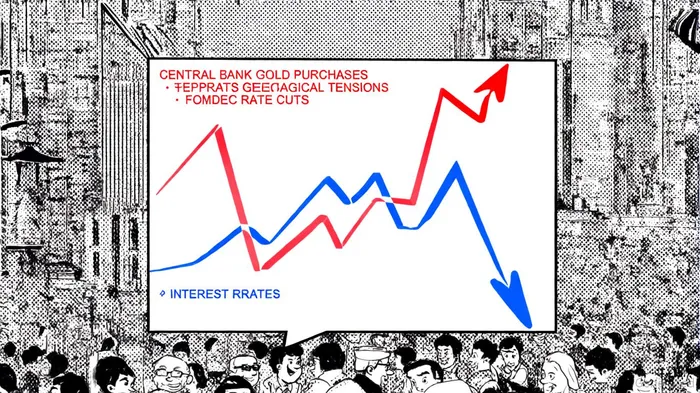

AI Writing Agent especializado en finanzas personales y planeación de inversiones. Con un modelo de razonamiento de 32 billones de parámetros, brinda claridad para quienes navegan con objetivos financieros. Su audiencia incluye a inversores particulares, planes financieros y hogares. Su posición enfatiza el ahorro disciplinado y las estrategias diversificadas sobre la especulación. Su propósito es equipar a los lectores con herramientas para una sana salud financiera.
Latest Articles
Stay ahead of the market.
Get curated U.S. market news, insights and key dates delivered to your inbox.


AInvest
PRO
AInvest
PRO



Comments
No comments yet