
Navigating Market Holidays: How U.S. Market Closings Around Thanksgiving Impact Investor Strategy


 Aime Summary
Historical Liquidity Patterns and Investor Behavior
Thanksgiving week has long been marked by reduced trading volumes and altered market behavior. According to a report by the NYSE Group, U.S. equity trading volumes typically decline to 80% of normal levels on the day before Thanksgiving and plummet to approximately 45% on the day after, which is a half-day session. This liquidity contraction is amplified globally, with European and Asian markets experiencing 10–25% below-average volumes during the same period. The 2025 holiday schedule coincides with the MSCIMSCI-- semi-annual index rebalance, which may temporarily elevate trading activity but is unlikely to fully offset the holiday-driven liquidity crunch according to market analysis.
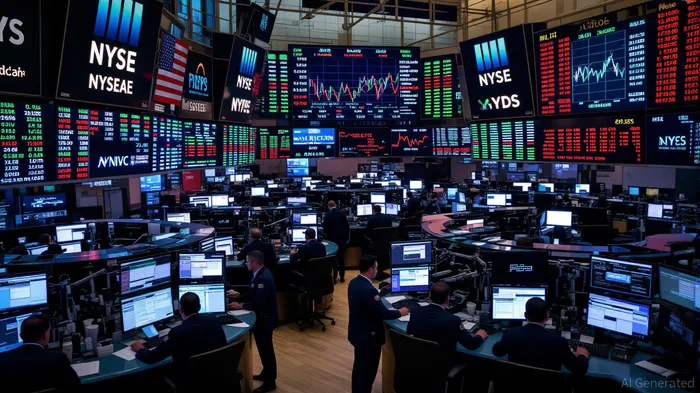 The reduced liquidity often leads to increased volatility, particularly in smaller-cap and thinly traded stocks. Historical data from Confluent Asset Management highlights that Thanksgiving week has historically been a "bullish" period, with the S&P 500 averaging modest gains in the days leading up to the holiday. This trend is partly driven by optimism around consumer spending, especially in the retail sector, where Black Friday and Cyber Monday traditionally spur heightened trading activity. However, the early closures and thin order books can exacerbate price swings, requiring investors to tread carefully.
Strategic Adjustments for Investors
Investors often adjust their timing and portfolio allocations to account for Thanksgiving-related market conditions. A key strategy is to execute large trades before mid-December, when liquidity typically normalizes, or to defer major transactions until early January. For instance, institutional investors may avoid initiating new positions in low-liquidity assets during the holiday week to mitigate slippage risks. Conversely, retail investors might capitalize on the "Thanksgiving Rally" by overweighting consumer discretionary stocks ahead of Black Friday.
The early closure on November 28 also raises questions about order execution. While most markets close at 1:00 p.m., platforms like NYSE Arca Equities remain open until 5:00 p.m., creating a fragmented trading environment. Investors must be mindful of these disparities, as delayed closures could allow for last-minute liquidity in specific instruments while broader markets have already ended.
The Santa Claus Rally and Long-Term Implications
The Thanksgiving period often sets the tone for the "Santa Claus Rally," a historical phenomenon where markets tend to outperform in December and early January. This seasonal pattern, coupled with the post-holiday retail spending surge, provides a strategic window for investors to position portfolios for year-end momentum. However, the reduced liquidity during Thanksgiving week necessitates careful cost management and risk mitigation. As noted by Advisor Analyst, understanding these seasonal dynamics allows investors to "reduce implementation risk and avoid unnecessary volatility."
Conclusion
The U.S. market closures around Thanksgiving 2025 present both challenges and opportunities. While liquidity constraints and volatility risks are heightened, historical trends suggest a favorable environment for certain sectors and strategies. By aligning portfolio adjustments with the holiday calendar and leveraging insights from past market behavior, investors can navigate this period with greater precision. As always, timing and adaptability remain paramount in capitalizing on the unique rhythms of the financial markets.

Delivering real-time insights and analysis on emerging financial trends and market movements.
Latest Articles
Stay ahead of the market.
Get curated U.S. market news, insights and key dates delivered to your inbox.
AInvest
PRO
AInvest
PRO



Comments
No comments yet