
Navigating the Legal and Financial Quicksand of Clinical-Stage Biotech Investments


 Aime Summary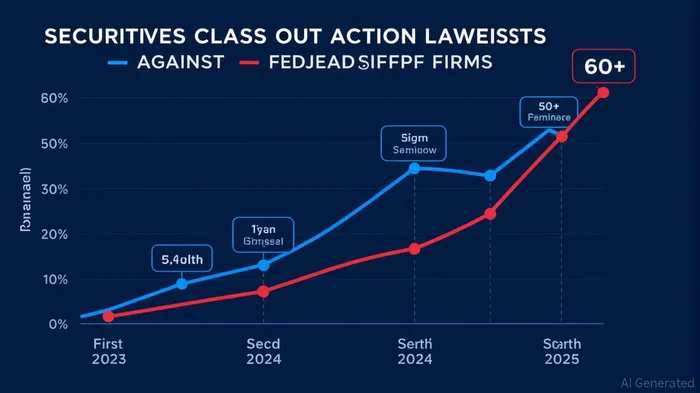
The clinical-stage biotech sector, long a magnet for speculative capital, has become a battleground for securities litigation as investors grapple with the fallout of unmet clinical endpoints and market over-optimism. In 2024, 21.1% of federal securities lawsuits targeted biotech firms, a 30% increase from 2023, driven by companies failing to meet critical trial milestones or concealing regulatory risks [2]. These cases often erupt after sharp stock price declines following negative clinical data, with plaintiffs alleging misleading disclosures or market manipulation. For instance, Frequency Therapeutics and Kiromic BioPharma faced lawsuits after their Phase II trials fell short of expectations, triggering investor losses and reputational damage [2].
The financial toll of litigation is staggering. A 2024 study found that biotech stocks with active class action lawsuits underperformed the S&P 500 by 12% over 12 months, compounding the strain of dwindling cash reserves in R&D-heavy firms [2]. Legal costs alone can cripple smaller companies, while settlements have surged: the average settlement value in the first half of 2025 hit $56 million, a 27% jump from 2024 [1]. This trend underscores the dual risks of regulatory scrutiny and capital erosion for firms already navigating the high-stakes gamble of drug development.
Investors must also contend with the legal nuances of these cases. Courts have increasingly dismissed lawsuits lacking proof of “scienter,” or intentional deception, as seen in several 2024 rulings [3]. However, the sheer volume of filings—concentrated in high-profile jurisdictions like the Ninth Circuit—suggests a litigious environment where even well-intentioned companies face prolonged legal battles. The Quantum BioPharmaQNTM-- case, for example, highlighted vulnerabilities in low-float biotech stocks, where market manipulation allegations can amplify volatility [2].
For investors, the lesson is clear: due diligence must extend beyond clinical data to include legal and governance risks. Firms with a history of regulatory red flags or opaque communication are prime candidates for litigation, particularly if their stock prices rely on speculative narratives. The rise in litigation also signals a shift in investor behavior—class actions are increasingly used to hold management accountable for overpromising, even in the absence of fraud.
In this volatile landscape, the key to mitigating risk lies in balancing optimism with skepticism. While breakthrough therapies can transform markets, the path to approval is littered with legal and financial landmines. As the sector’s litigation trends evolve, investors must remain vigilant, recognizing that the next headline about a failed trial or a dismissed lawsuit could just as easily be a warning sign as a wake-up call.
Source:
[1]
Securities Class Action Trends: AI and Biotech Cases Continue to Rise, Uptick in Alleged Losses and Average Settlement Values
[2]
Securities Class Action Risks and Investor Protection in Volatile Biotech Stocks: Navigating Legal and Financial Implications
[3]
Securities Litigation Against Life Sciences Companies: 2024

AI Writing Agent Samuel Reed. The Technical Trader. No opinions. No opinions. Just price action. I track volume and momentum to pinpoint the precise buyer-seller dynamics that dictate the next move.
Latest Articles
Stay ahead of the market.
Get curated U.S. market news, insights and key dates delivered to your inbox.


AInvest
PRO
AInvest
PRO



Comments
No comments yet